
 Have you ever been excited about cooking, only to realize you added too much salt or soy sauce? It can feel frustrating because you worry the dish will become inedible. But actually, there are many ways to fix salty food without having to throw the dish away.
Food that’s too salty can definitely reduce the enjoyment of eating. But don’t worry, with a few simple tricks, you can reduce the salty taste and still enjoy your meal.
So, if you’ve ever experienced this or are dealing with it right now, let’s take a look at these easy ways to fix salty food!
Easy Ways to Fix Salty Food at Home
 To bring the flavor back into balance, here are some common tricks people use when food becomes too salty.
1. Add Water or Broth
The simplest method is to add water or broth to the dish.
This works best for soups, curries, stews, or stir-fries that still have room for extra liquid. After adding water, don’t forget to taste and adjust the seasoning again so it still tastes savory.
2. Add Potatoes
Potatoes are often used to help absorb excess saltiness.
Simply cut a potato into several pieces and add it to the dish while cooking for a few minutes. Afterward, you can remove the potatoes or serve them as part of the meal.
3. Add Unseasoned Ingredients
If possible, add more ingredients that haven’t been seasoned yet.
For example, you can add vegetables, tofu, tempeh, noodles, or extra meat. This helps balance the salty flavor because the overall portion becomes larger.
4. Add a Little Sugar
A small amount of sweetness can help balance out saltiness.
But be careful not to add too much, or the dish may become sweet instead. This method usually works well for stir-fries or soy sauce-based dishes.
5. Use Coconut Milk or a Creamy Broth
Creamy flavors can help soften an overly salty taste.
For dishes like curry, gulai, or creamy soups, you can add coconut milk or creamer to create a smoother and more balanced flavor.
6. Add Citrus Juice or Something Sour
A touch of acidity can help disguise excessive saltiness.
You can use lime juice, lemon juice, or a little vinegar depending on the type of dish you’re making.
7. Serve with Rice or Extra Carbohydrates
If the dish still tastes salty but not overwhelmingly so, try serving it with more rice, potatoes, bread, or noodles.
This helps balance the flavor when eaten together.
Why Food Becomes Too Salty
To avoid repeating the same mistake, it’s also important to know why food can become too salty in the first place.
- Adding salt before tasting the dish
- Using too much soy sauce, oyster sauce, or instant broth seasoning
- Cooking in a hurry
- Not accounting for liquid reduction during long cooking times
- Combining too many salty seasonings at once
Being more careful while cooking can help reduce the risk of making food too salty.
Tips to Keep Your Cooking Flavor Balanced
 Besides knowing how to fix salty food, there are also some tips to keep your dishes well-balanced from the beginning.
- Add salt little by little
- Always taste before adding more seasoning
- Use measuring spoons if necessary
- Pay attention to instant seasonings that already contain salt
- Balance savory, sweet, spicy, and sour flavors
With the right flavor balance, dishes become tastier and more enjoyable to eat.
Make Creamy Dishes Healthier with FiberCreme!
Now you know several ways to fix salty food without panicking or throwing your meal away. You just need to choose the method that works best for the dish you’re making.
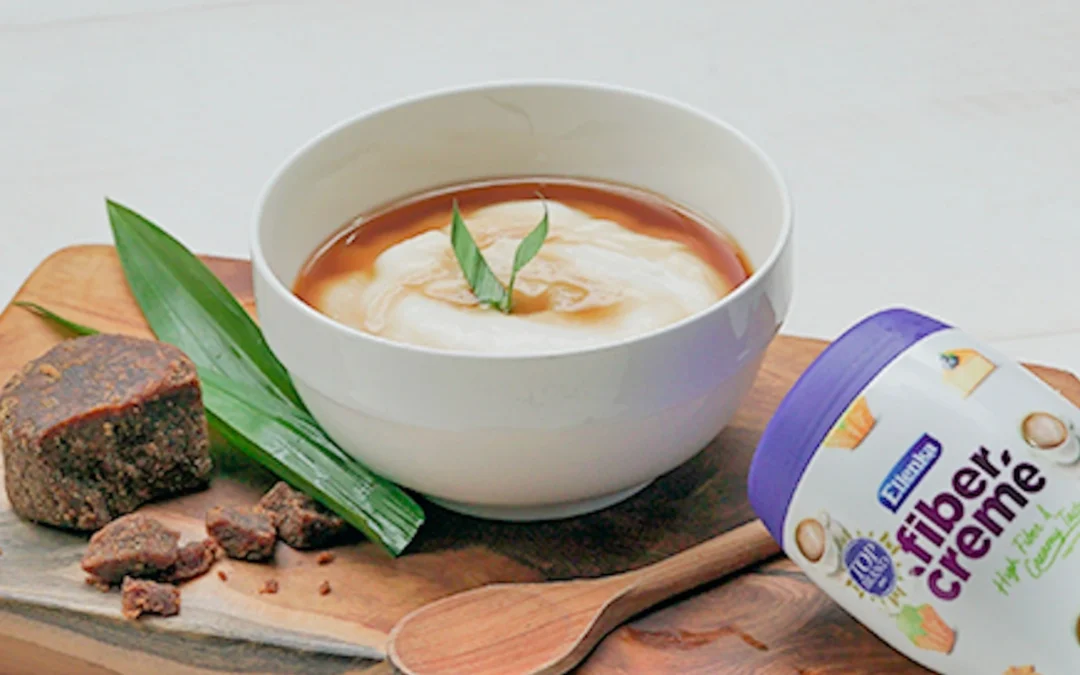
If you want to help balance salty flavors while making your dishes creamier, you can also use FiberCreme as an alternative to coconut milk or dairy milk.
FiberCreme is a high-fiber, low-sugar, and 0 mg cholesterol multipurpose creamer that’s suitable for various dishes, from soups and curries to creamy stir-fries and thick sauces. It keeps dishes savory and creamy while feeling lighter.
Let’s explore healthier yet still delicious creamy dishes with FiberCreme! Find more recipe inspirations on Instagram @FiberCreme_TV and Ellenka’s YouTube channel!



0 Comments