
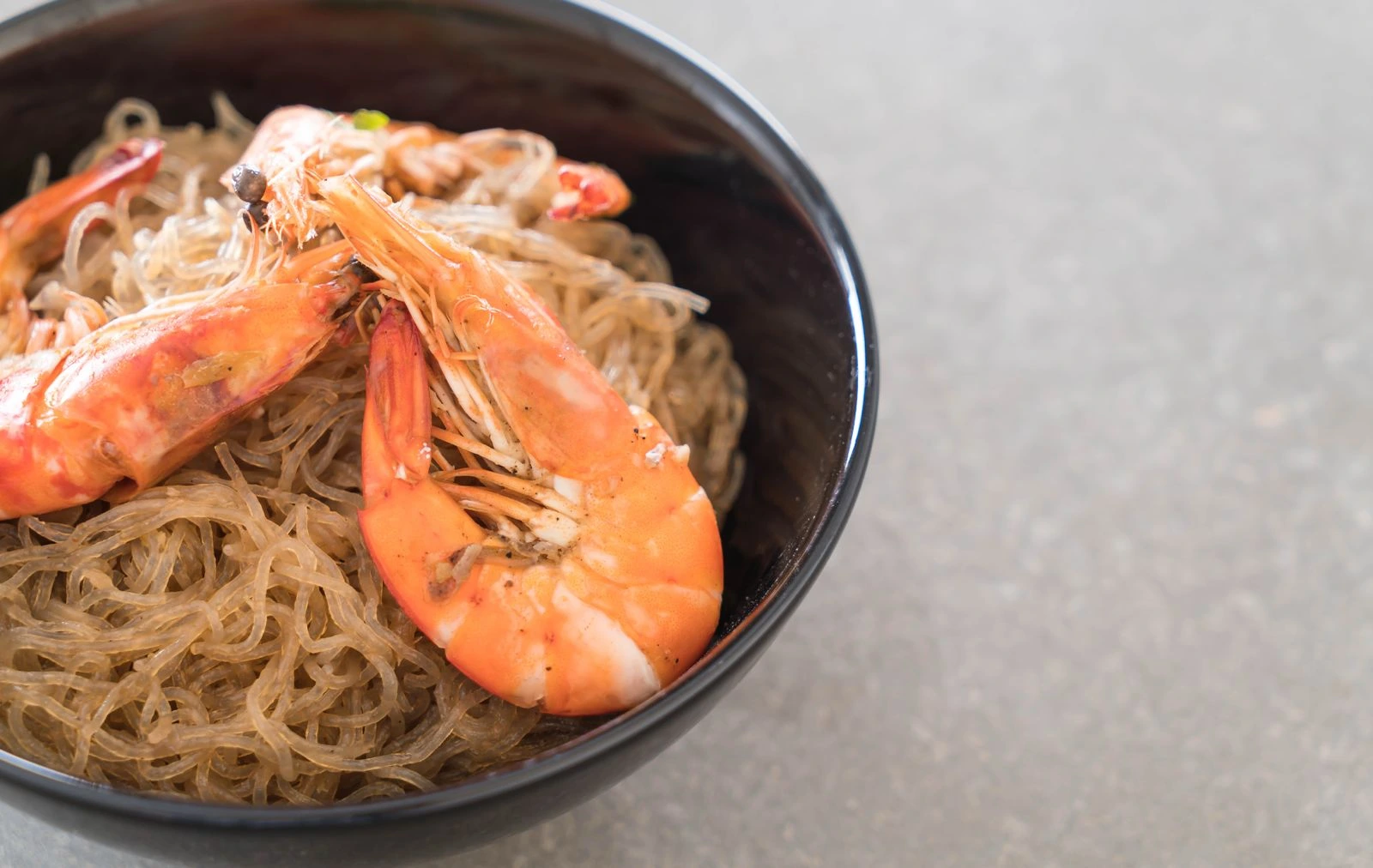
In recent years, shirataki has gained significant attention, especially among people who are following a diet plan or trying to adopt a healthier lifestyle. Many healthy menu options in restaurants and on socialmedia now feature shirataki as an alternative to noodles or rice.
At first glance, shirataki looks similar to regular noodles. However, its ingredients and characteristics are quite different from noodles made from wheat flour.
So, what exactly is shirataki? Why has it become so popular and frequently associated with healthy eating and weight management? Let’s find out.
What Is Shirataki?
Shirataki is a type of noodle made from the konjac plant (Amorphophallus konjac), a tuber that is widely cultivated in Japan, China, and several other Asian countries.
Shirataki noodles are produced from a water-soluble fiber called glucomannan. This fiber gives shirataki its distinctive chewy texture while keeping its calorie content very low.
Because it is made primarily of water and fiber, shirataki is often used as an alternative to traditional noodles by people looking to reduce their calorie or carbohydrate intake.
Characteristics of Shirataki
If you have never tried shirataki before, there are several unique characteristics that set it apart from other noodles.
Chewy Texture
One of the easiest ways to recognize shirataki is its chewy texture.
Because it is made from glucomannan, shirataki has a texture that differs from conventional noodles. Some people even describe it as having a slightly firmer, jelly-like consistency.
Semi-Transparent Appearance
Shirataki noodles are typically white and slightly translucent.
Today, darker varieties are also available, especially those made from whole konjac flour.
A Distinct Aroma When Opened
Many first-time users are surprised by the smell when opening a package of shirataki.
This aroma is completely normal and comes from the processing of the konjac plant. It usually becomes much milder after the noodles are rinsed and briefly boiled before use.
Why Is Shirataki Popular for Diet-Friendly Meals?
Shirataki’s growing popularity is closely linked to its unique nutritional profile compared to conventional noodles.
Low in Calories
One of the main reasons people choose shirataki is its extremely low calorie content.
Since it consists mostly of water and fiber, shirataki contains significantly fewer calories than wheat-based noodles.
Contains Glucomannan Fiber
Glucomannan is a soluble fiber that absorbs water and forms a gel-like texture.
Because of this, shirataki is often associated with a greater feeling of fullness compared to some other carbohydrate-based foods.
An Alternative for Reducing Carbohydrate Intake
Many people use shirataki as a substitute for noodles or rice when they want to reduce their daily carbohydrate consumption.
That said, nutritional needs vary from person to person, so dietary choices should always be adjusted according to individual requirements.
How to Cook Shirataki
One of the advantages of shirataki is its versatility. It can be used in a wide variety of dishes.
Stir-Fried Shirataki
Shirataki can be stir-fried with garlic, onions, vegetables, eggs, and protein sources such as chicken or shrimp.
Because it has a fairly neutral flavor, it easily absorbs seasonings and sauces.
Shirataki Noodle Soup
If you enjoy warm and comforting meals, shirataki works well in noodle soups.
Simply add broth, vegetables, and your preferred protein to create a satisfying dish.
Fried Shirataki Noodles
Shirataki can also be prepared as a fried noodle dish using seasonings similar to those used in traditional fried noodles.
Adding vegetables and protein makes the meal even more complete.
Shirataki Salad
In addition to hot dishes, shirataki is often used in salads.
It pairs well with fresh vegetables and light dressings, creating a refreshing and flavorful meal.
Tips for Making Shirataki More Delicious
To get the best results when cooking with shirataki, there are a few simple steps you can follow.
Rinse It Thoroughly
After opening the package, rinse the shirataki under running water to help reduce its characteristic aroma.
Boil It Briefly
Boiling shirataki for a few minutes can help improve its texture while further minimizing any remaining odor.
Use Flavorful Seasonings
Since shirataki itself has a mild flavor, it tastes best when cooked with well-seasoned sauces, spices, and complementary ingredients.
Read more: Various Types of Noodles in Indonesia, Get to Know Them and Choose Based on Your Taste!
Create Creamier Shirataki Dishes with FiberCreme
Now you know what shirataki is and why it has become increasingly popular. With its unique texture and versatility, shirataki can be an interesting addition to a variety of everyday meals.
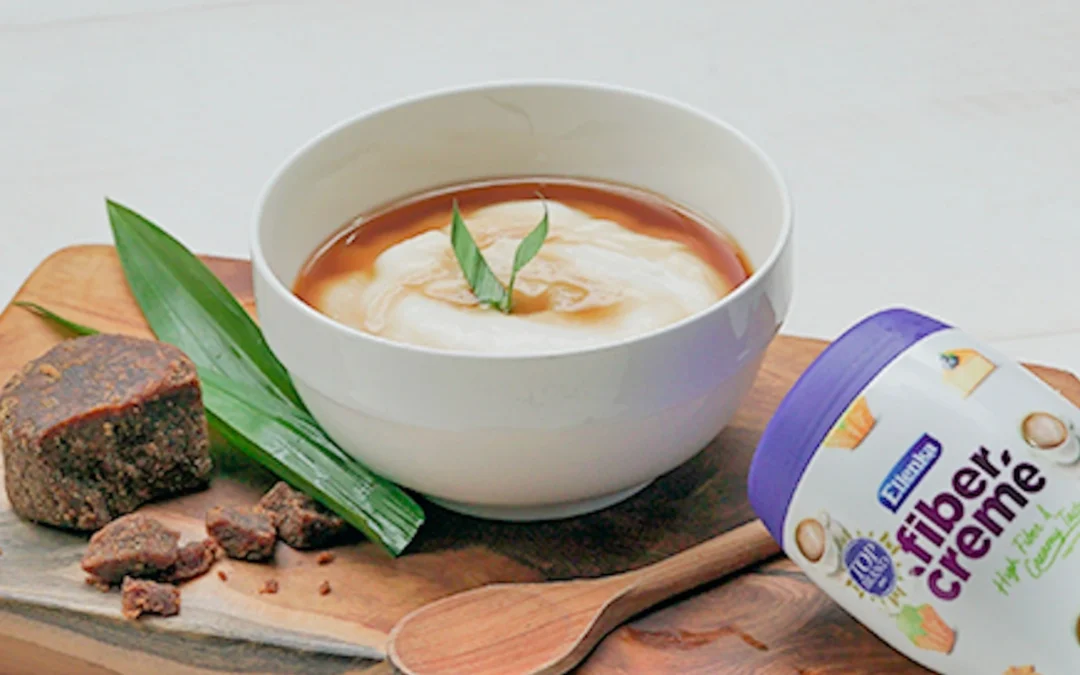
If you’d like to create creamier shirataki dishes, such as creamy noodle soup, shirataki pasta, or rich sauces, you can add FiberCreme as an alternative to coconut milk or dairy milk.
FiberCreme is a versatile high-fiber creamer that can be used in both sweet and savory dishes. Besides providing a rich and creamy texture, it is also low in sugar, lactose-free, gluten-free, and contains 0 mgcholesterol.
FiberCreme is now available also in 20-gram sachet, perfect for a bowl of your favorite noodle dish. No more measuring spoon or even kitchen scale, because you can add FiberCreme directly into your cooking and enjoy!
For more creamy noodle inspirations, follow FiberCreme on Instagram at @FiberCreme_TV and visit the Ellenka Official YouTube channel.


0 Comments