
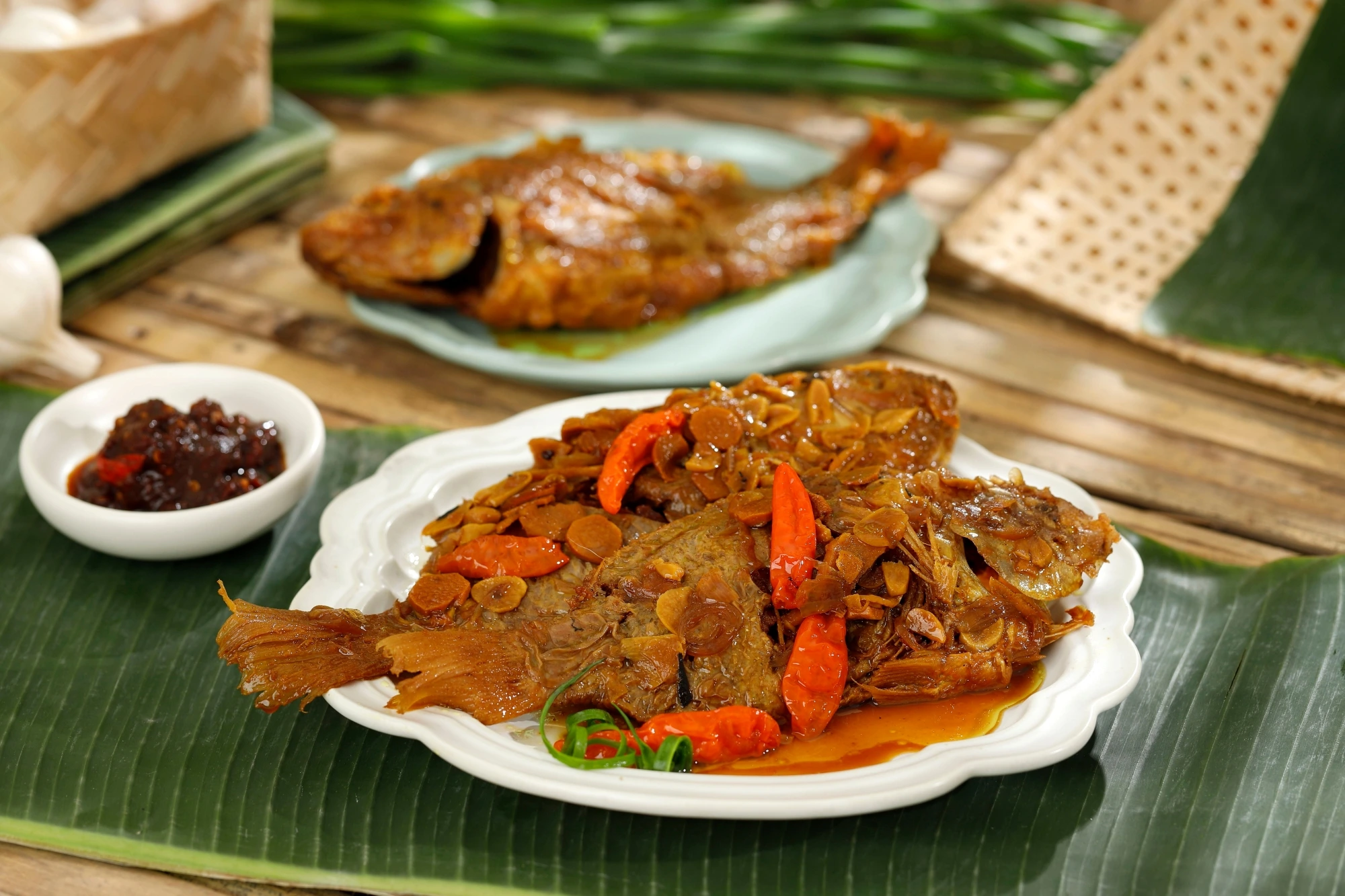
 If you often buy freshwater fish at the market, you’ve probably been confused between tilapia and Mozambique tilapia (locally known as ikan mujair). At a glance, the two look very similar, both have flat, oval-shaped bodies, grayish color, and are often sold side by side. However, even though they look alike, these fish actually have quite a few differences from their origin, body shape, and color, to their taste and how they’re best prepared.
The Difference Between Tilapia and Mozambique
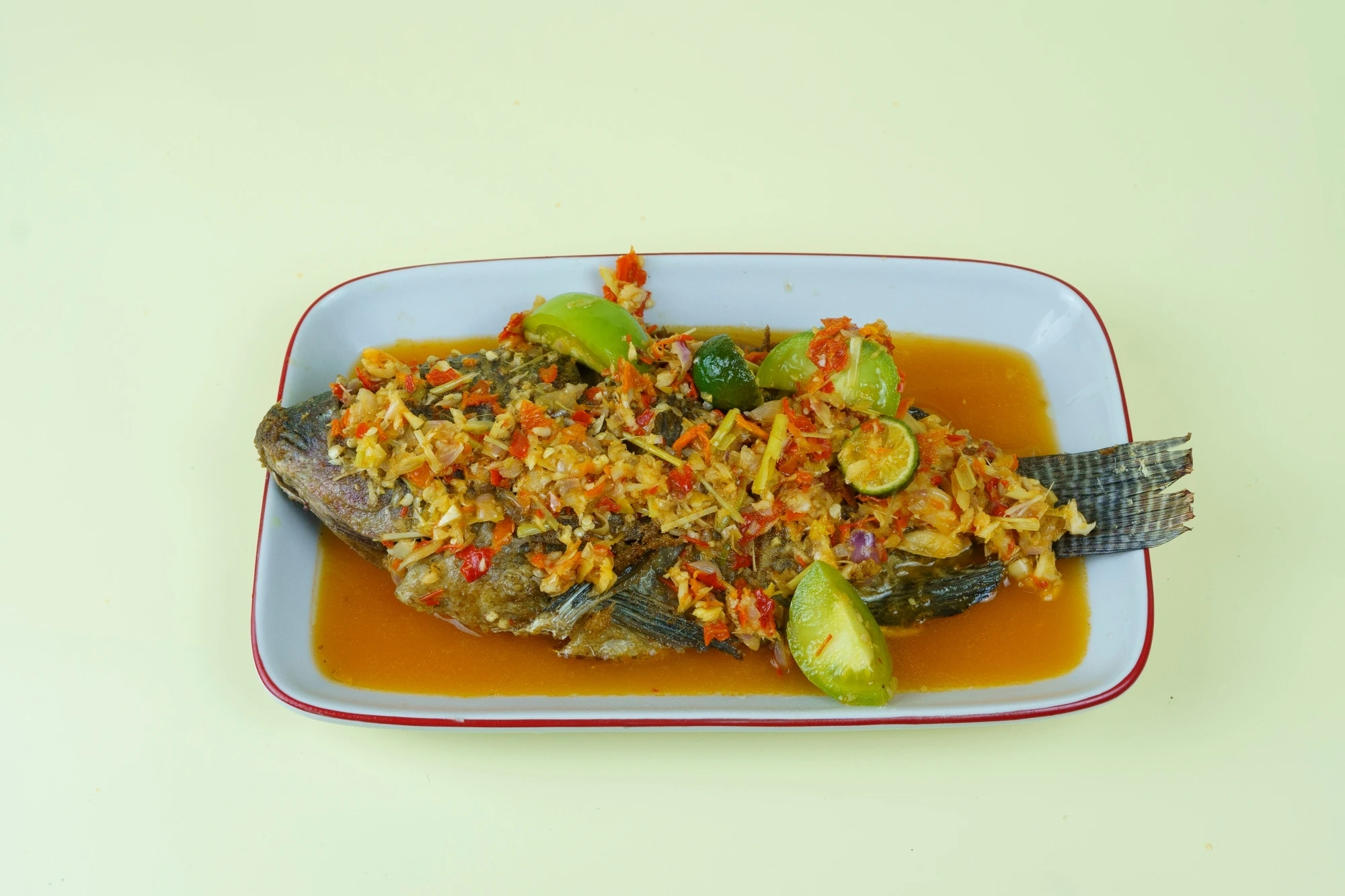 So you don’t pick the wrong one next time you shop or cook, let’s get to know the differences between tilapia and Mozambique tilapia more closely!
1. Origin and Species
The first difference lies in where they come from. Mozambique tilapia (Oreochromis mossambicus) was first discovered in Indonesia, specifically in Lake Sentani, Papua, in 1939, by a man named Mr. Mujair. His name was later used to name the fish itself.
Meanwhile, Nile tilapia (Oreochromis niloticus) originally comes from East Africa and was introduced to Indonesia a few decades later. Its Latin name literally means “fish from the Nile River.” You could say that Nile tilapia is the “distant cousin” of Mozambique tilapia from another continent.
2. Body Shape and Color
At first glance, both fish look similar, but there are a few details you can pay attention to. Mozambique tilapia has a darker gray body, thinner scales, and a paler belly. Its dorsal and tail fins also tend to be darker in color.
Nile tilapia, on the other hand, has a silvery-gray or slightly reddish tone, especially the red tilapia variety. Its body is usually wider and flatter than Mozambique tilapia. Because of its cleaner and more appealing appearance, Nile tilapia is often used in restaurants or dishes with a more elegant presentation.
3. Taste and Texture
In terms of taste, many say that Mozambique tilapia has softer and richer-tasting flesh. However, if not handled properly, it can have a muddy odor. That’s why it’s recommended to soak it in lime juice or salted water before cooking to reduce the earthy smell.
Nile tilapia, on the other hand, has firmer, thicker flesh with a mildly sweet flavor. It also has less of that muddy scent. Thanks to its denser texture, it’s perfect for dishes like grilled fish, steamed fish in banana leaves (pepes), or crispy fried fillets.
4. Price and Availability
When it comes to price, Mozambique tilapia is generally cheaper because it grows faster and is easier to farm in various freshwater ponds. However, Nile tilapia tends to be sold at a higher price due to its larger size and more attractive appearance.
Availability also varies by region. In rural areas, Mozambique tilapia is more common, while in big cities, Nile tilapia is easier to find in supermarkets or seafood restaurants.
5. Nutritional Content
Both types of fish are rich in protein, omega-3 fatty acids, and low in saturated fat, making them great for a healthy daily diet. However, Nile tilapia usually contains slightly more protein, while Mozambique tilapia has less fat, which makes it suitable for those following a low-calorie diet.
Either way, both can be a nutritious source of protein, as long as they’re cooked in a healthy way such as steaming, grilling, or baking instead of deep-frying.
Read more: Modern Fish Dishes That Are Practical and Delicious
Cook Fish Healthier and Creamier with FiberCreme!
Now that you know the differences between Nile tilapia and Mozambique tilapia, it’s time to make your fish dishes even more special! Try cooking them in flavorful recipes like fish soup, pindang, or even creamy lodeh ikan (fish in coconut-style broth).
If you want to enjoy creamy dishes without worrying about cholesterol or high fat, replace coconut milk with FiberCreme. This versatile creamer adds a naturally creamy and savory taste, but it’s high in fiber, low in sugar, and contains 0 mg of cholesterol. That means you can enjoy your favorite fish dishes in a lighter and healthier way.
Let’s explore more creamy and delicious fish recipes with FiberCreme! Find more cooking inspirations on Instagram @FiberCreme_TV and on Ellenka’s YouTube channel.

0 Comments