
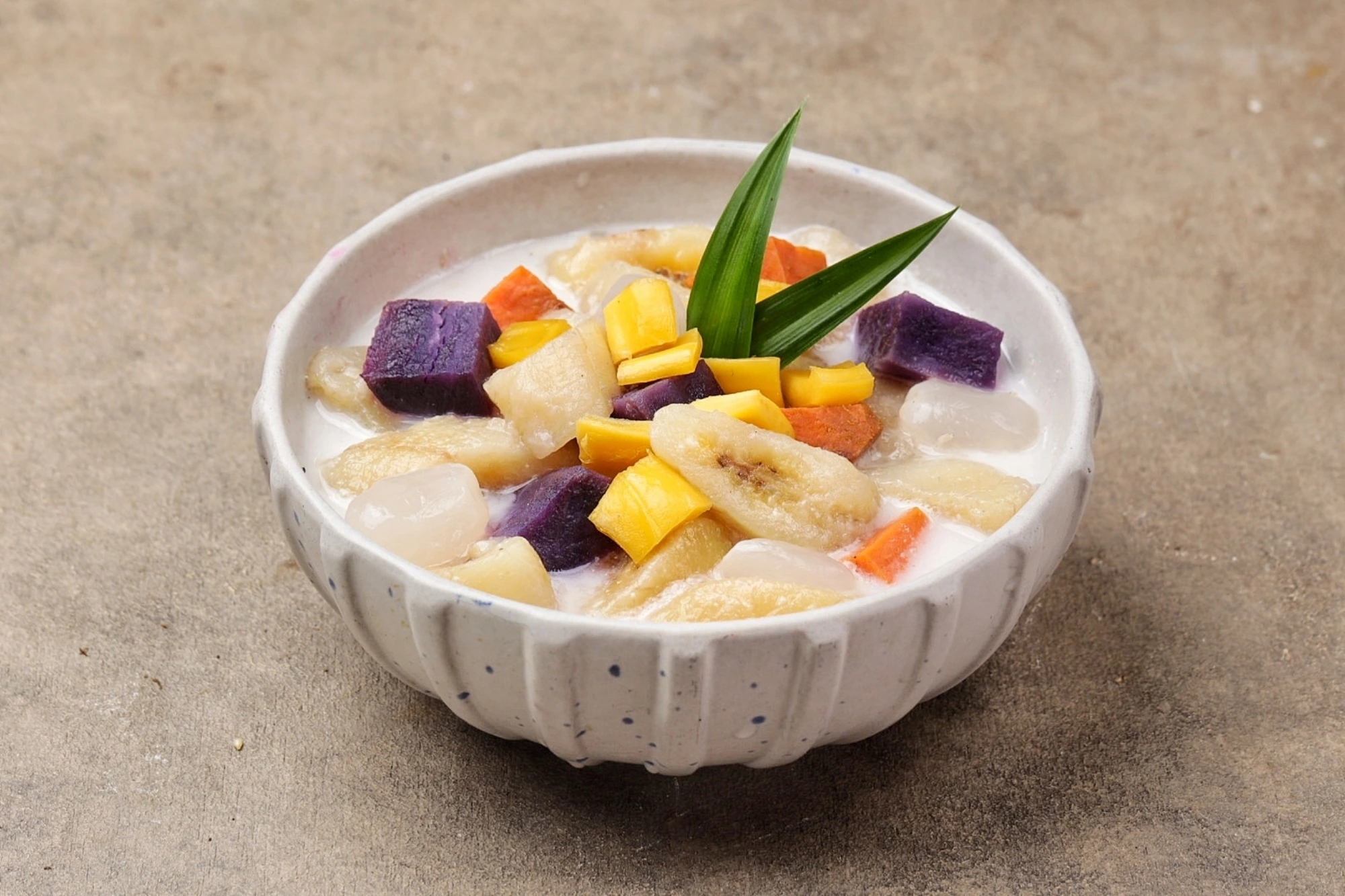
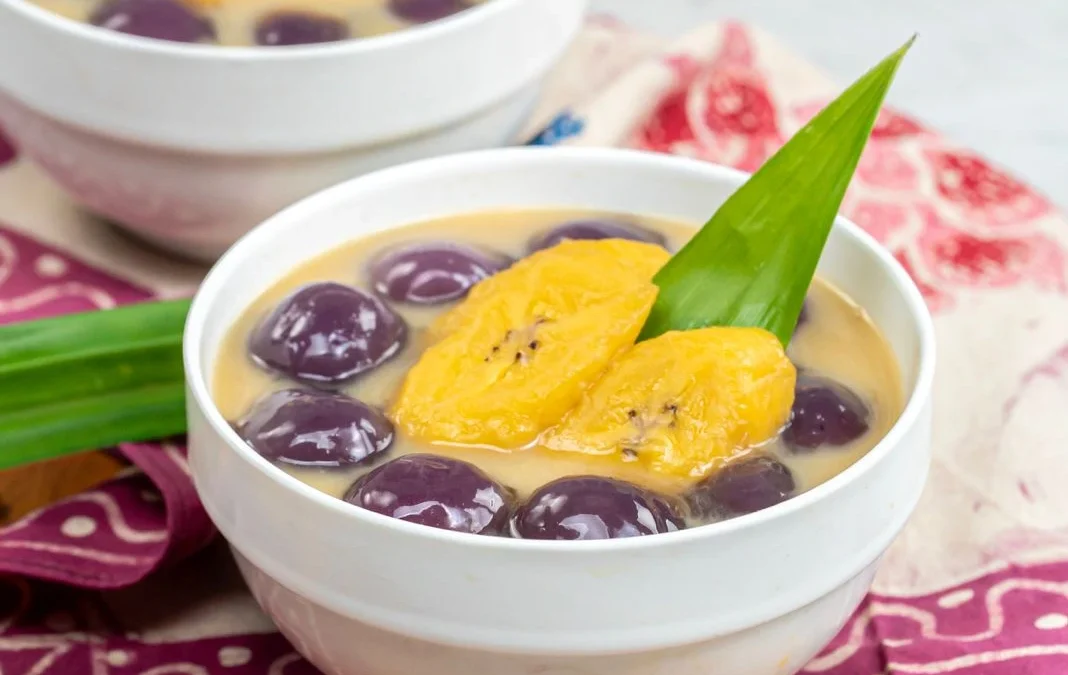
 Kolak is almost inseparable from the fasting month. Whether it’s banana kolak, sweet potato kolak, pumpkin kolak, or kolak with glutinous rice balls, they all share one key element, rich, creamy coconut milk broth. The taste is sweet, warm, and instantly comforting. No wonder kolak is a favorite menu for suhoor and iftar.
Unfortunately, not everyone feels comfortable consuming coconut milk. Some people experience nausea, bloating, or feel that kolak is simply too heavy when eaten regularly during Ramadan. Especially when consumed at suhoor, the effects can linger throughout the day.
The good news is, there are now plenty of coconut milk alternatives for kolak that still taste great, remain creamy, and feel lighter on the stomach. If you’re looking for a way to enjoy kolak without worry, keep reading until the end.
Why Coconut Milk Isn’t Always Ideal for Kolak
Coconut milk undeniably makes kolak taste delicious. However, its high fat content means it takes longer for the body to digest. For some people, this can trigger bloating, nausea, or even acid reflux, especially when kolak is eaten on an empty stomach.
Coconut milk is also relatively easy to spoil if it’s not cooked properly. When kolak is stored for suhoor or reheated later, the coconut milk can separate and develop an unpleasant aroma. That’s why many people are starting to look for coconut milk alternatives that are more practical and stable, without sacrificing flavor.
Recommended Coconut Milk Alternatives for Kolak
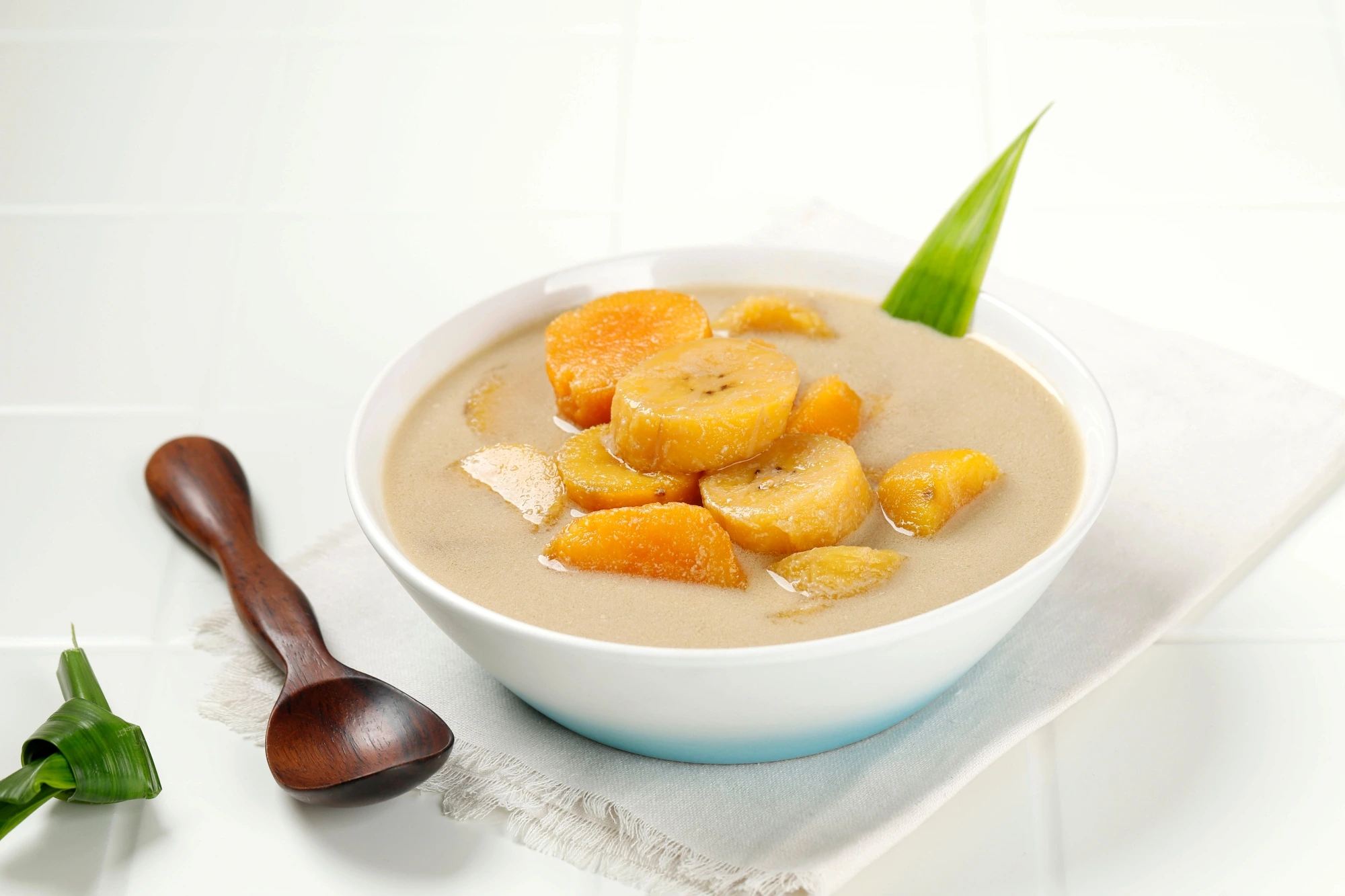 Here are several coconut milk substitutes for kolak that you can choose based on your taste and needs:
1. FiberCreme
FiberCreme is Minchef’s first choice when it comes to replacing coconut milk. It offers coconut milk-like flavor but is way lighter, so it’s friendlier for an empty stomach.
2. Evaporated Milk
Evaporated milk can add creaminess to kolak, although the flavor is slightly different from coconut milk. It’s usually suitable for modern kolak variations or lighter dessert-style versions.
3. Plant-Based Milk
Soy milk or almond milk can be used for dairy-free kolak alternatives. However, the flavor may need adjustment since these milks have distinct aromas and aren’t as savory as coconut milk.
4. Powdered Creamer
Certain powdered creamers can be used in kolak, as long as they’re not overly sweet and dissolve easily. Choose heat-stable options to keep the texture smooth.
5. Water Combined with Creamy Ingredients
For a lighter taste, you can mix water with your chosen creamy ingredient so the kolak isn’t too thick but still has a rich flavor.
Can Kolak Without Coconut Milk Still Taste Good?
Absolutely. The key to delicious kolak isn’t just coconut milk, it’s also the quality of palm sugar, pandan leaves, and a well-balanced combination of ingredients. As long as the broth stays creamy and aromatic, kolak without coconut milk can still be very enjoyable.
In fact, many people find coconut milk–free kolak more comfortable to eat, especially for suhoor or for those who are sensitive to high-fat foods.
Read more: Here Are 5 Varieties of Bananas Perfect for Kolak
Creamy Kolak Without Coconut Milk? Trust FiberCreme!
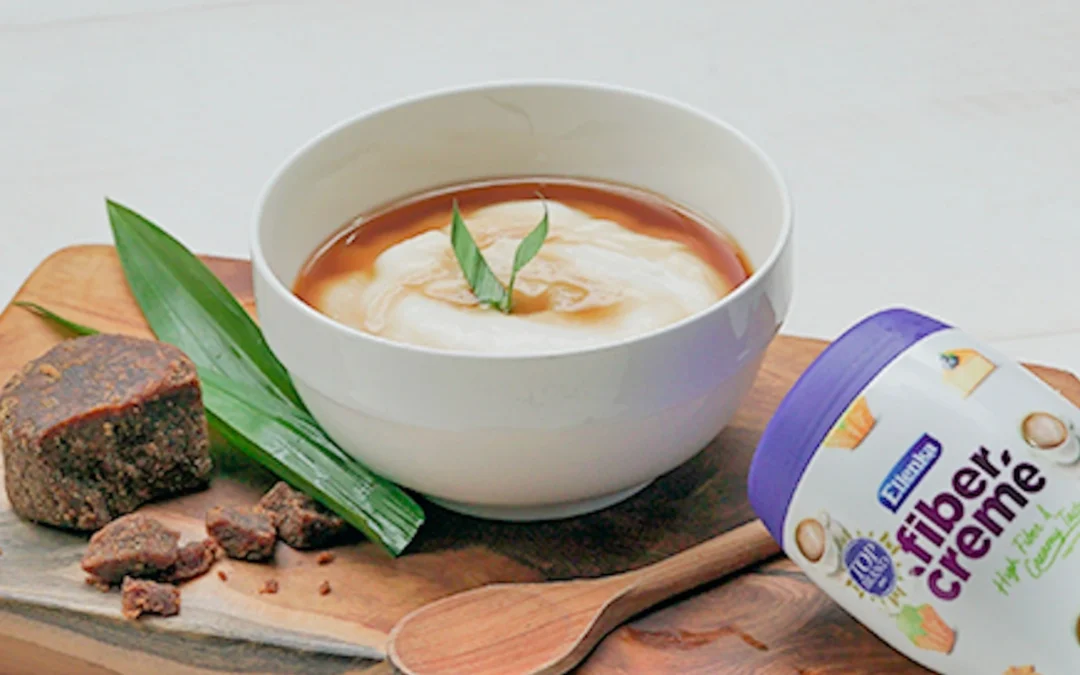
If you want kolak that’s still rich and creamy without using coconut milk, FiberCreme is a practical solution. FiberCreme is a multipurpose creamer that’s high in fiber, low in sugar, and contains 0 mg cholesterol, making it suitable as a coconut milk substitute in many dishes, including kolak.
FiberCreme is heat-stable, so kolak broth doesn’t easily separate and lasts longer. Its lower fat content makes it gentler on the stomach, perfect for anyone who wants to enjoy kolak without feeling nauseous or bloated. Plus, the fiber helps keep you feeling full longer, making it ideal for suhoor or iftar treats.
Whether it’s banana kolak, sweet potato kolak, or modern kolak creations without coconut milk, you can still enjoy them deliciously. Start creating your favorite kolak with FiberCreme, and discover more kolak recipes and Ramadan menu inspiration on Instagram @FiberCreme_TV and the Ellenka YouTube channel.


0 Comments