
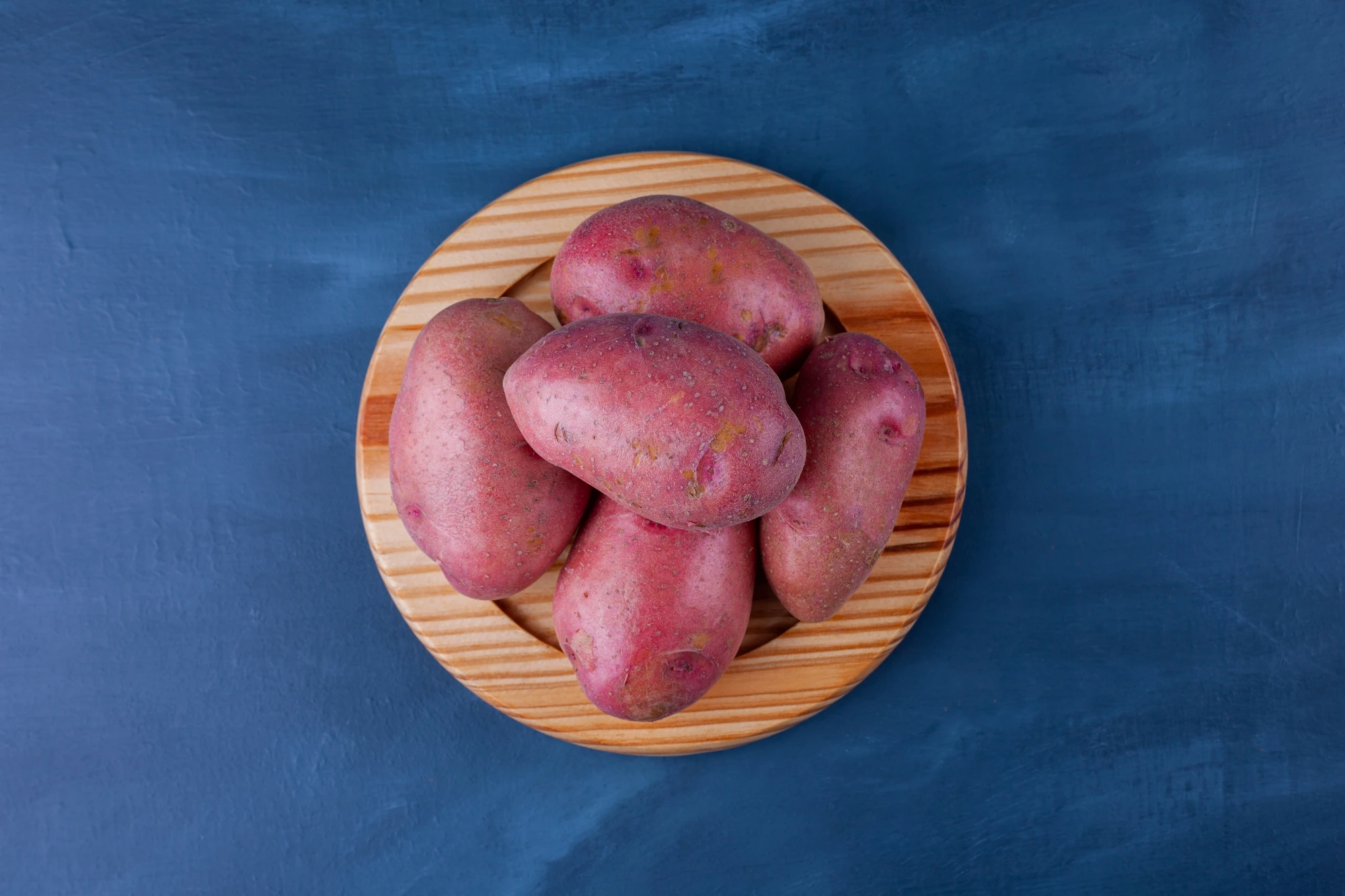
 Sweet potatoes are simple, affordable, and incredibly versatile ingredients. They can be steamed, baked, fried, or turned into compote and trendy desserts. But before cooking them, there’s one important step that’s often overlooked: how to clean sweet potatoes properly.
It may seem trivial, just wash and cook. However, if they’re not cleaned correctly, soil can still cling to the surface, the smell can become unpleasant (earthy or musty), and it can even affect the final taste of your dish.
To make sure your sweet potato dishes turn out cleaner, tastier, and free from any earthy odor, let’s go through the steps one by one.
Why Is It Important to Clean Sweet Potatoes Properly?
Sweet potatoes grow underground. That means their skin is almost always covered with soil, fine sand, and sometimes small roots attached to the surface.
If they are not cleaned thoroughly:
- Soil can be carried over when peeling
- The earthy smell becomes stronger during cooking
- The texture may look less clean and less appealing
- The risk of contamination from soil bacteria increases
Especially if you plan to turn them into snacks or desserts, cleanliness should always come first.
The Proper Way to Clean Sweet Potatoes
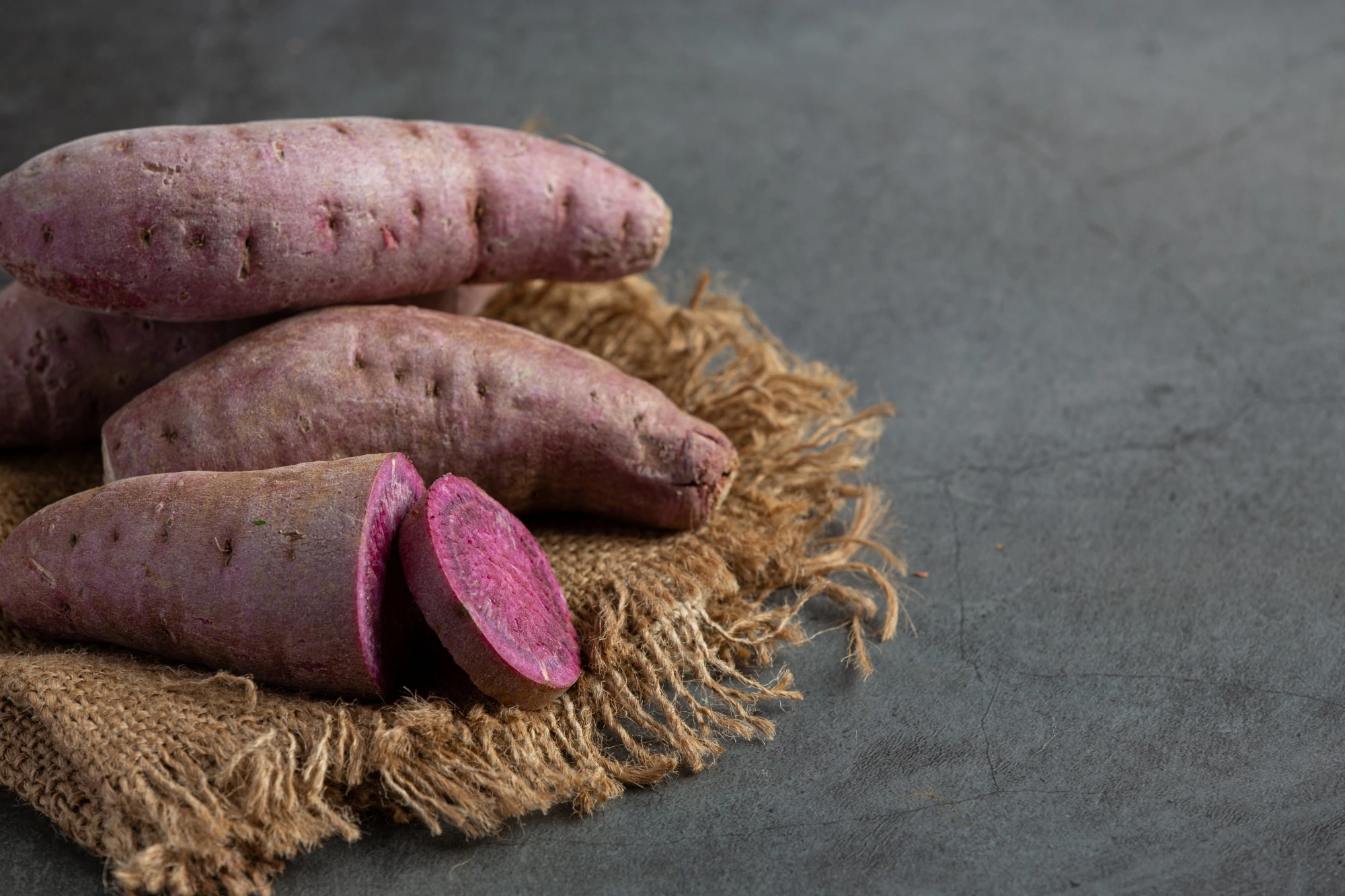 Here are the steps you can follow at home:
1. Choose Fresh Sweet Potatoes
Before cleaning, make sure you select sweet potatoes in good condition. Choose ones with skin that is not overly wrinkled, not soft when pressed, free from black or rotten spots, and not sprouting long shoots. Fresh sweet potatoes are usually easier to clean and have a naturally sweeter taste when cooked.
2. Rinse Under Running Water
Avoid soaking them for too long at first. Rinse the sweet potatoes under running water while gently rubbing them with your hands to remove large chunks of soil.
Running water helps wash the dirt away instead of just moving it around.
3. Scrub the Skin
For better results, use a vegetable brush or a clean brush with slightly coarse bristles. Gently scrub the surface of the sweet potatoes until all the soil trapped in the crevices is completely removed.
This step is especially important if you plan to cook them without peeling, such as for baked sweet potatoes.
4. Trim the Roots and Ends
After cleaning, cut off the ends and any small remaining roots. These parts often still hold stubborn dirt.
This small step can also help reduce the earthy smell during cooking.
5. Peel (If Necessary)
If your recipe requires peeled sweet potatoes, make sure to peel them only after they are thoroughly cleaned. Do not peel them while still dirty, as soil can transfer to the flesh.
After peeling, give them a quick rinse again to ensure no dirt remains.
Tips to Prevent an Earthy Smell When Cooking
Besides knowing how to clean sweet potatoes, here are a few tricks to prevent that earthy odor:
- Soak the cut sweet potatoes in salted water for 5–10 minutes before cooking.
- Avoid leaving peeled sweet potatoes exposed to air for too long.
- Cook them thoroughly to bring out their natural sweetness.
If you’re turning them into compote, puree, or creamy desserts, make sure they are fully tender so the texture becomes smooth and not fibrous.
Turn Sweet Potatoes into Healthier Creamy Dishes with FiberCreme!
Now you know the proper way to clean sweet potatoes from selecting fresh ones, rinsing them under running water, scrubbing the skin, to tips for preventing an earthy smell during cooking. These simple steps actually make a big difference in the final taste of your dish.
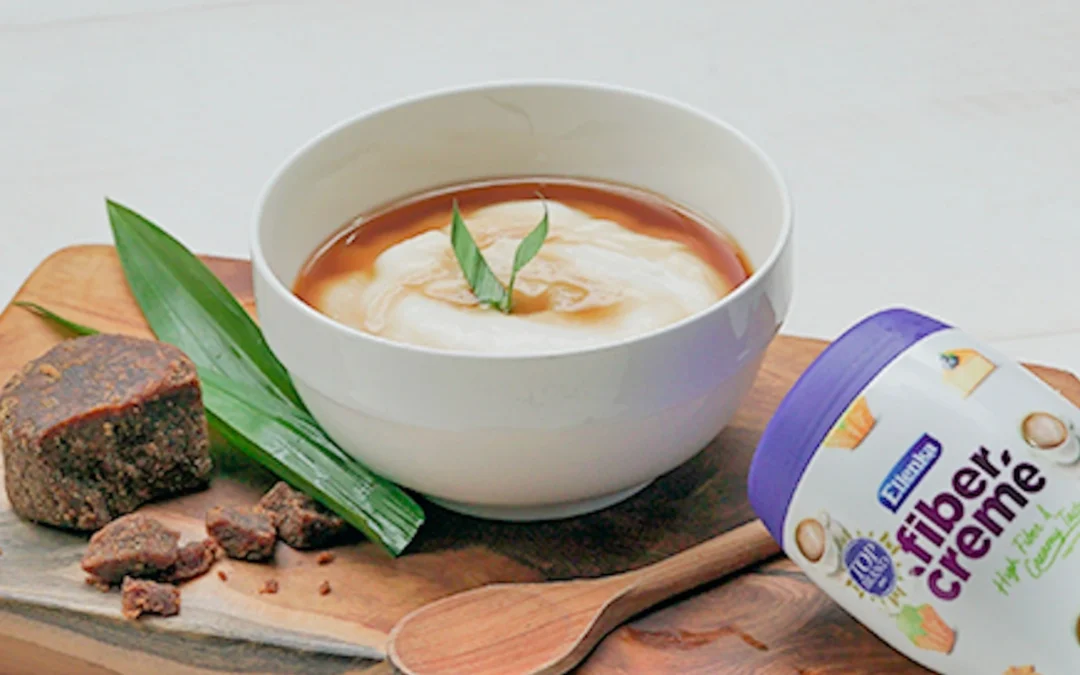
Once your sweet potatoes are clean and ready to use, don’t hesitate to get creative. Try making sweet potato compote, sweet potato soup, or creamy desserts with a touch of FiberCreme as a healthier alternative to coconut milk. High in fiber, lower in sugar, and containing 0 mg cholesterol, FiberCreme helps you enjoy creamy dishes without the guilt.
Let’s explore more delicious and healthier sweet potato recipes with FiberCreme! Find more inspiring ideas on Instagram @FiberCreme_TV and the Ellenka YouTube channel.




0 Comments