
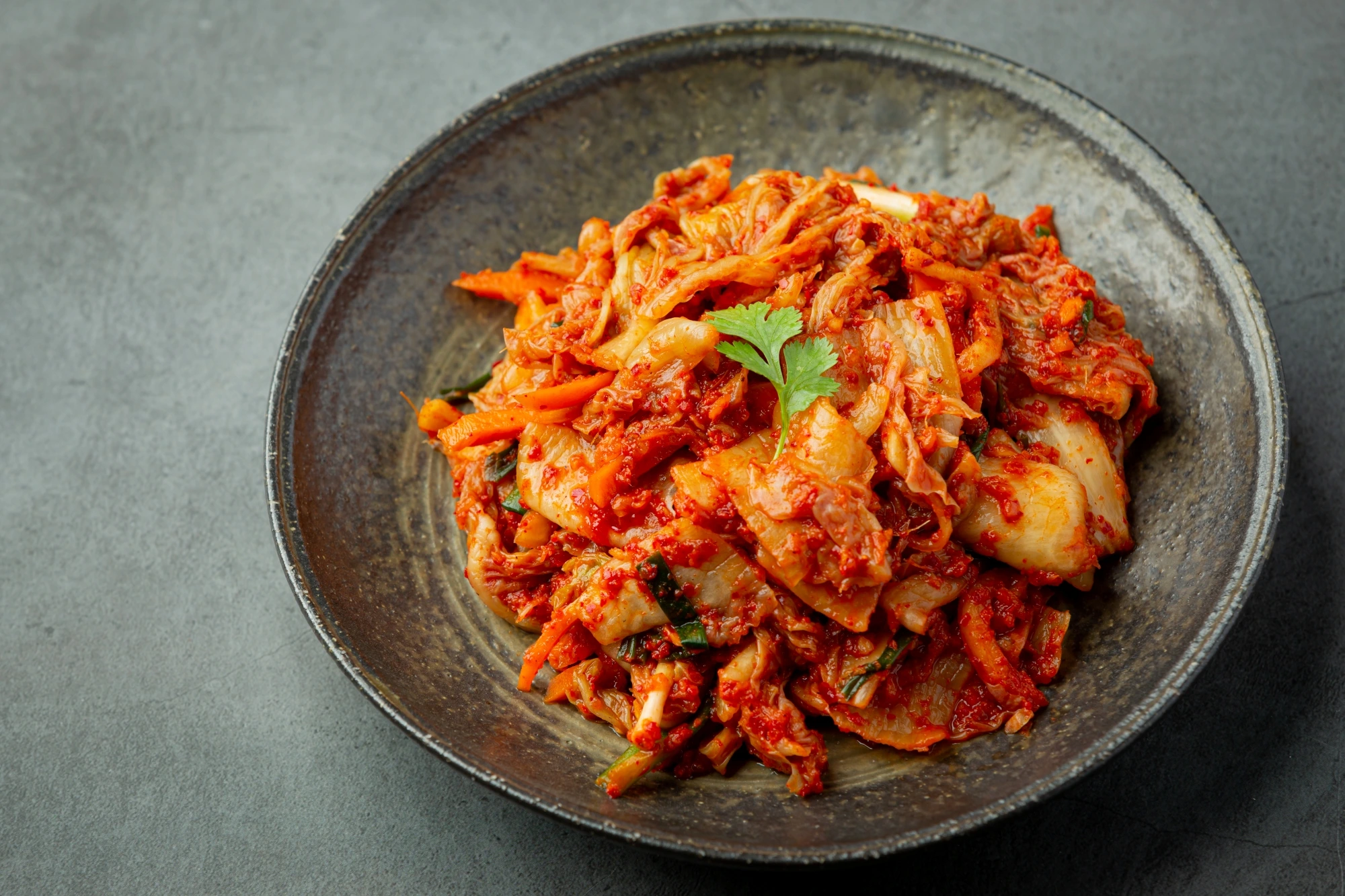
 South Korean food has a charm of its own. The flavors are bold, the presentation is tempting, and the dishes often appear in dramas or variety shows that instantly make viewers hungry. Interestingly, not all Korean dishes are complicated or require hard-to-find ingredients. In fact, there are plenty of South Korean foods that are easy to make at home, even if you’re trying Korean cooking for the very first time.
Many people assume Korean cuisine is always associated with strong fermented flavors and long cooking processes. In reality, some of its most popular dishes are actually simple and flexible. With ingredients that are relatively easy to find at supermarkets or local markets, you can already enjoy authentic Korean flavors without having to go to a restaurant. These dishes are perfect for daily meals, snacks, or just casual cooking experiments on the weekend.
So, what South Korean dishes are easy to make and still taste great? Let’s go through them one by one.
Why Is South Korean Food Suitable for Home Cooking?
One reason Korean food is easy to adapt at home is because the cooking techniques are fairly simple. Many dishes only require stir-frying, boiling, or quick pan-frying. On top of that, the base flavors of Korean cuisine usually come from sauces and seasonings, so you don’t need complicated techniques to achieve a satisfying taste.
Korean dishes are also easy to customize based on the ingredients you have. If one ingredient isn’t available, it can often be substituted without losing the dish’s main character. This is what makes South Korean food more home-cook friendly.
Easy-to-Make South Korean Dishes
Here are some South Korean dishes that are relatively easy to prepare and perfect for trying out in your own kitchen.
1. Tteokbokki
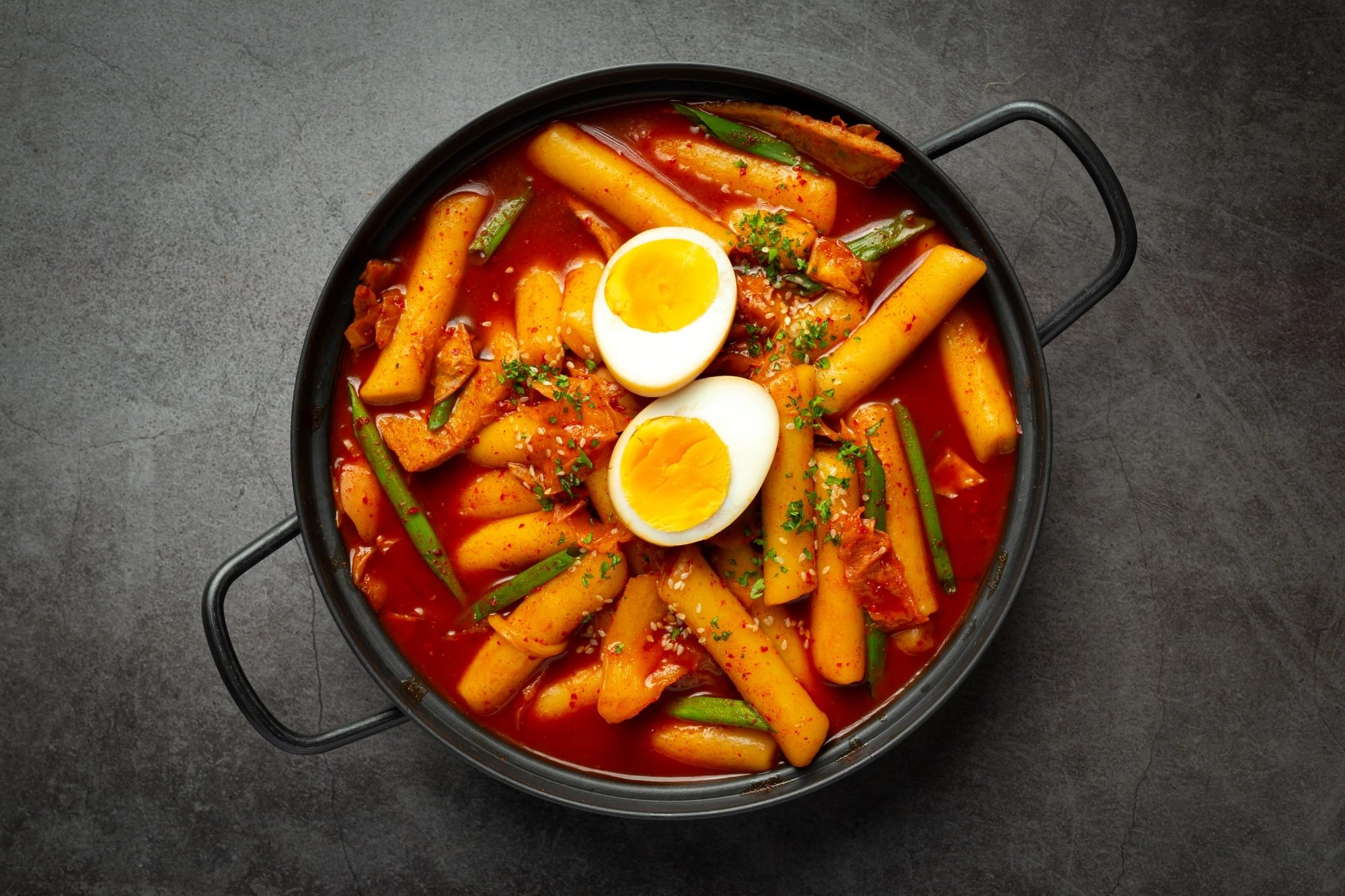 Tteokbokki is one of the most popular Korean street foods. It’s made from chewy rice cakes cooked in a sweet and spicy gochujang sauce. The preparation is quite simple: boil the rice cakes, then cook them with the sauce, onions, and a bit of water or broth.
If you prefer a creamier and lighter version, the tteokbokki sauce can also be adjusted to make the flavor more balanced and less spicy.
2. Japchae
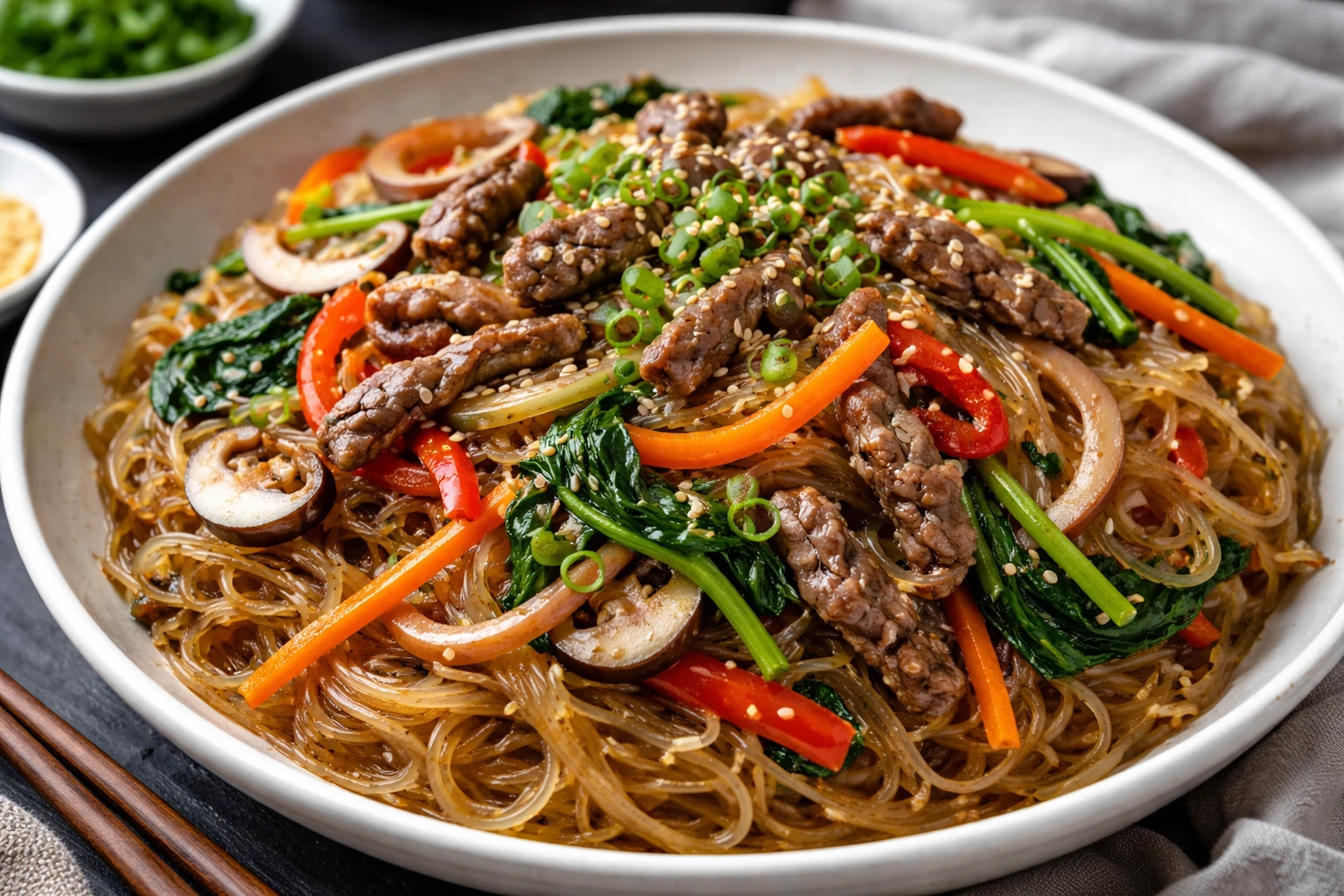 Japchae is a Korean noodle dish made from sweet potato starch noodles stir-fried with vegetables and meat. Even though it looks elaborate, the process is actually quite easy. The key lies in the seasoning—soy sauce, sesame oil, and a bit of sugar to create that signature sweet-savory taste.
This dish is great for beginners since it doesn’t require special techniques, just proper stir-frying and mixing.
3. Kimchi Bokkeumbap
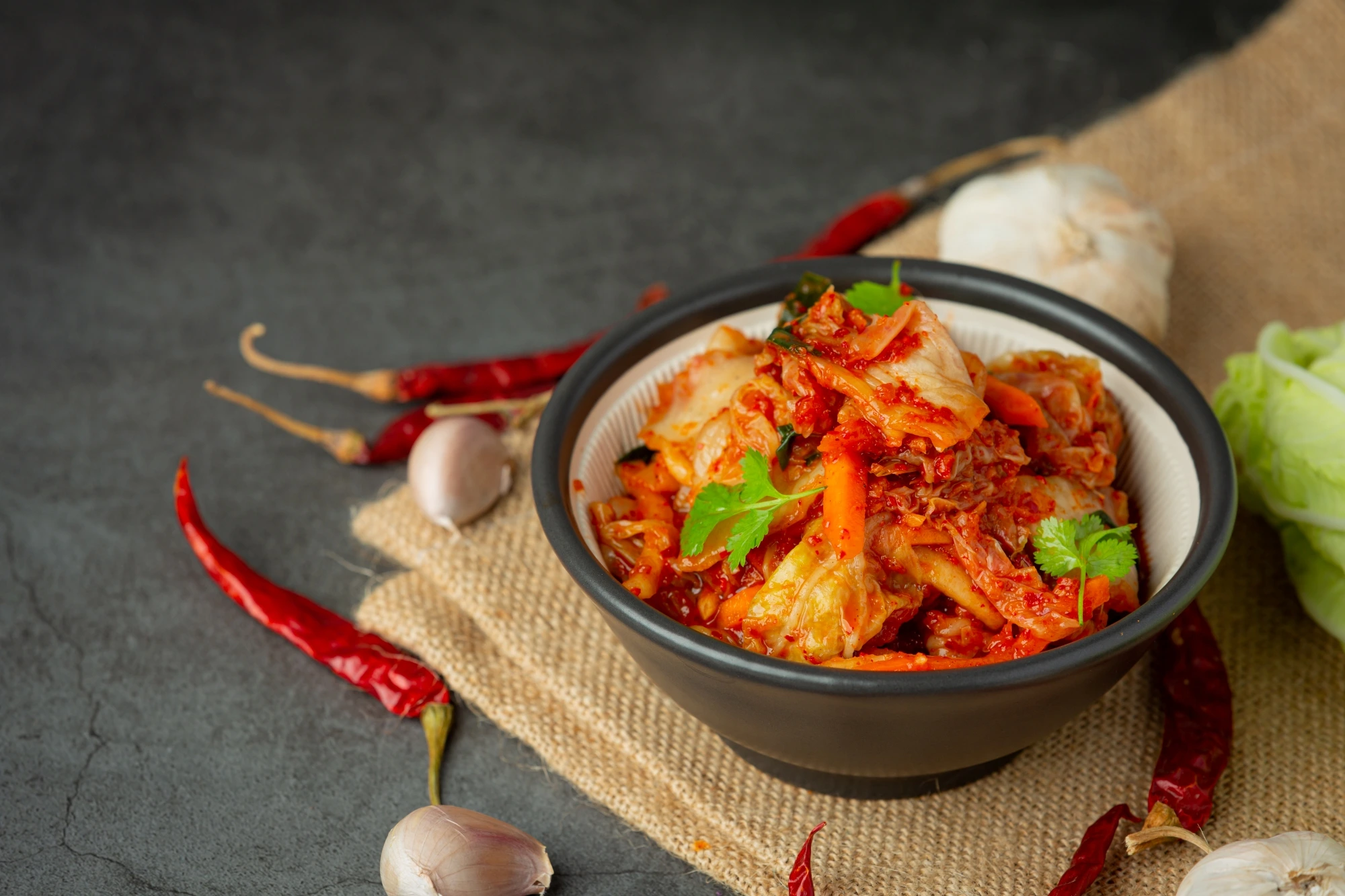 If you have leftover rice and kimchi in the fridge, you can easily make kimchi bokkeumbap, or kimchi fried rice. Simply stir-fry the kimchi, garlic, and rice, then add a little soy sauce or gochujang. The result is savory, spicy, and full of that distinct Korean aroma.
This dish is a favorite because it’s quick to make and delivers bold flavor in no time.
4. Gyeran Mari (Korean Rolled Omelette)
 Gyeran mari is a Korean-style rolled omelette with a beautiful appearance and a simple cooking method. The eggs are beaten, cooked thinly, and rolled little by little. You can add scallions or carrots to make it more colorful.
This dish works well as a side dish, lunchbox item, or light snack.
5. Homemade Ramyeon Creations
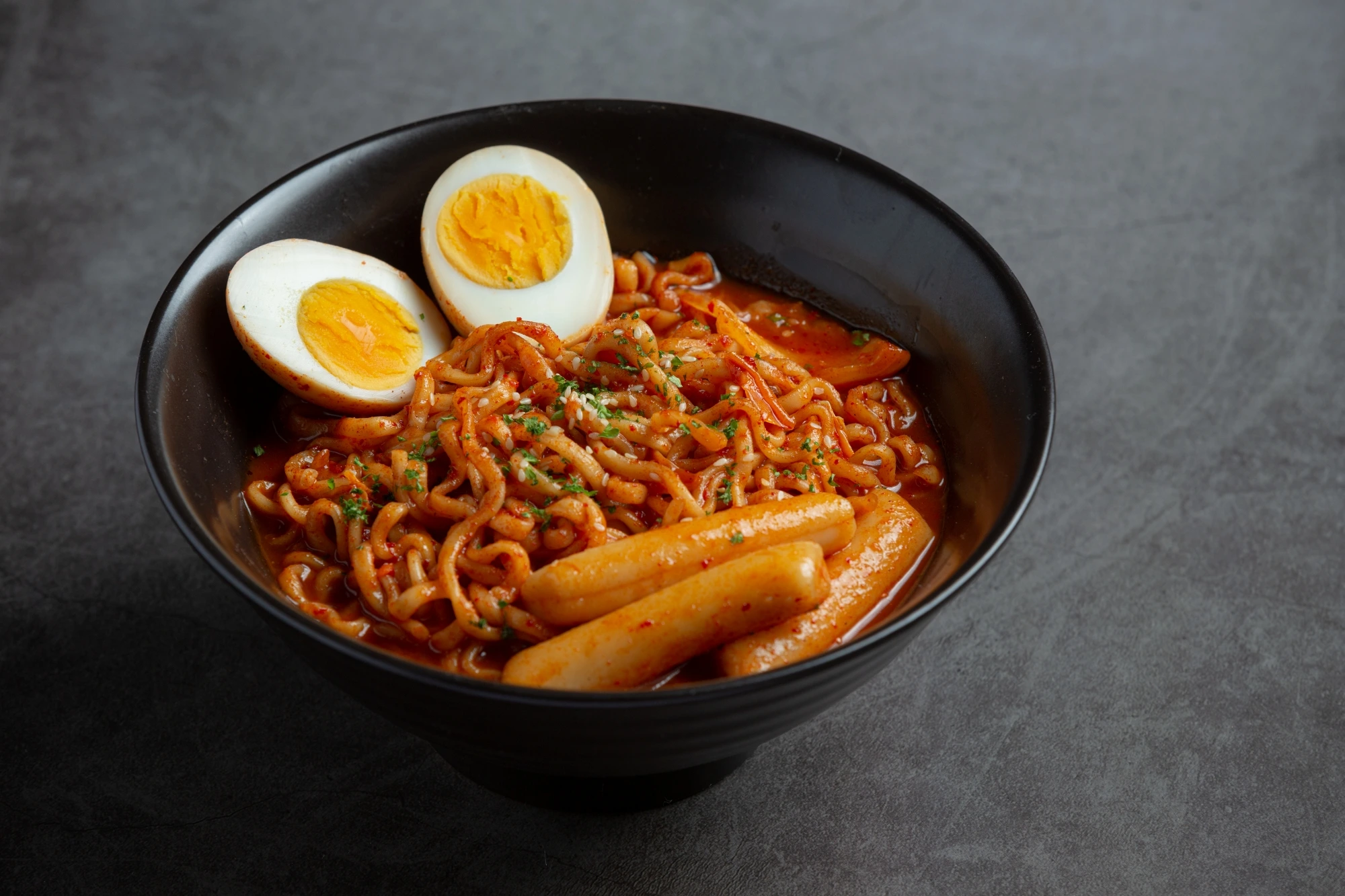 Ramyeon is closely associated with instant noodles, and that’s exactly what makes it so practical. You can customize ramyeon by adding vegetables, eggs, sausages, or cheese. Many people also enjoy making a creamier version of ramyeon for a smoother, more balanced taste.
6. Korean Pancake (Pajeon)
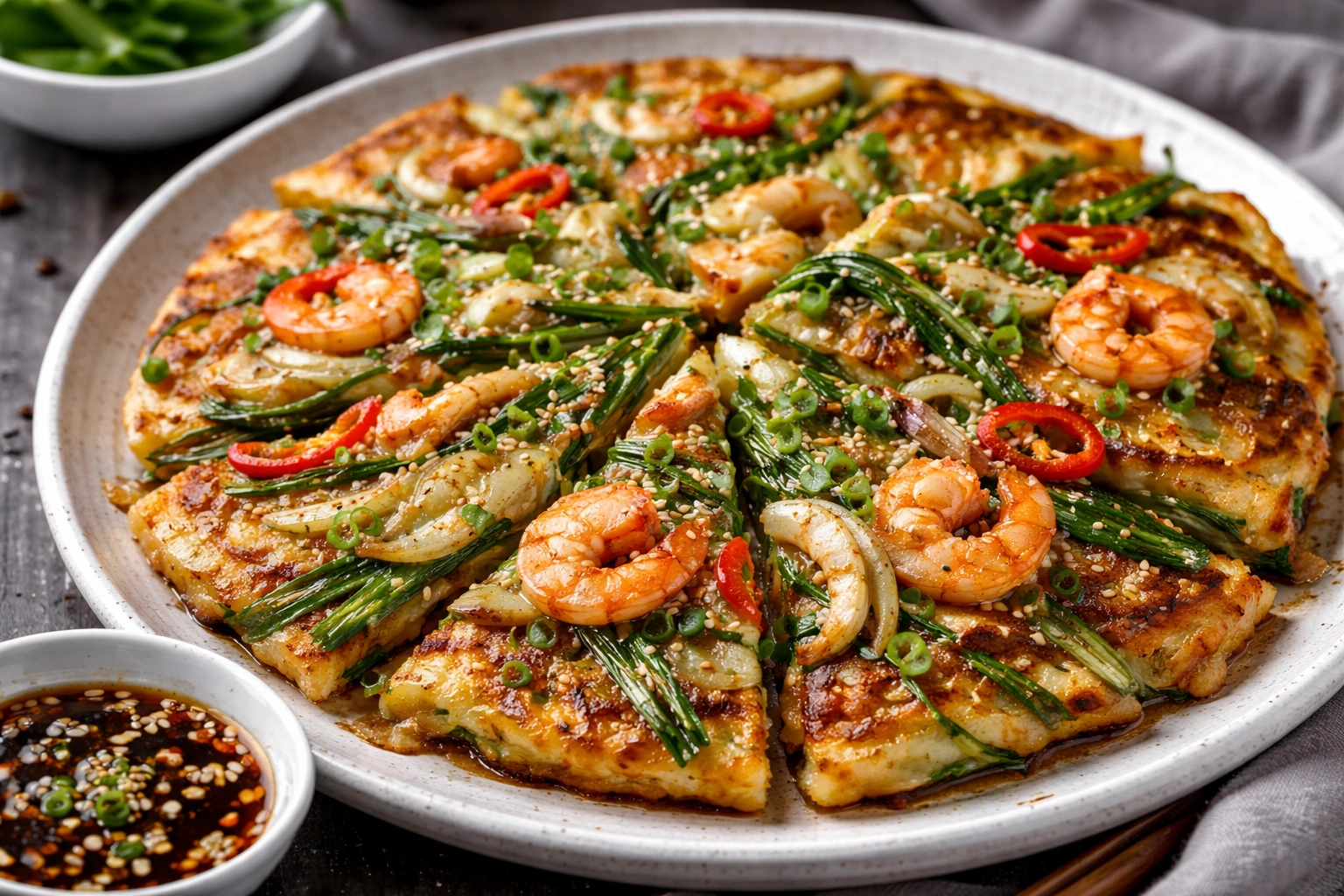 Pajeon is a savory pancake filled with scallions and other ingredients like seafood or vegetables. The batter is simple, made from flour, water, and eggs, then pan-fried until crispy on the outside and soft on the inside.
Pajeon is perfect as a snack or a casual meal companion at home.
Make Korean Dishes Creamier and More Balanced with FiberCreme
Some South Korean dishes, especially those that are spicy or intensely savory, can taste even better with a creamy touch. This isn’t meant to overpower the flavors, but to make them smoother and more pleasant on the palate.
That’s where FiberCreme comes in handy. FiberCreme can be used as an alternative to coconut milk or dairy milk in various Korean dishes, from ramyeon broth and tteokbokki sauce to certain stir-fried dishes. It has a mild savory taste, dissolves easily, and doesn’t make the dish feel heavy.
In addition, FiberCreme is high in fiber, low in sugar, and contains 0 mg cholesterol. This makes it a safer and more comfortable choice for everyday consumption, especially if you like exploring international dishes such as Korean cuisine.
Read more: The Differences Between Ramen and Udon, Two Japanese Noodles Often Mistaken for the Same Dish
Time to Try Cooking Korean Food at Home!
Now you know several South Korean dishes that are easy to make without any hassle. From tteokbokki and japchae to kimchi fried rice, all of them can be adjusted to suit the ingredients available in your kitchen.
If you want your Korean dishes to turn out creamier, more balanced, and still light, don’t hesitate to use FiberCreme as a complement. Let’s explore more homemade Korean food ideas and trendy menu inspirations with FiberCreme! Find more exciting recipe ideas on Instagram @FiberCreme_TV and the Ellenka YouTube channel.


0 Comments