
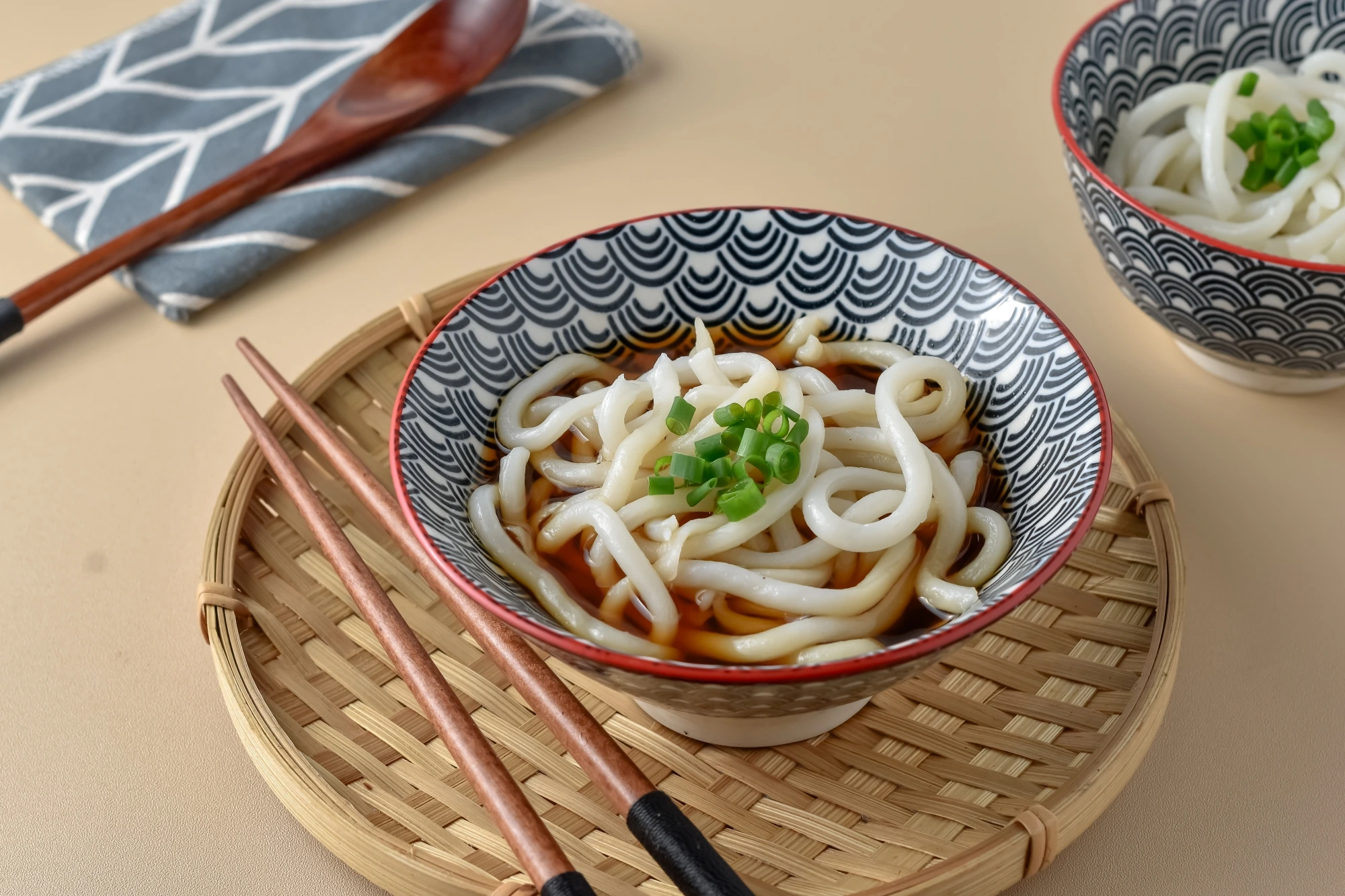
 When it comes to Japanese noodles, ramen and udon are probably the two most well-known names. Both are delicious, can be served in hot broth or cold versions, and are commonly found in Japanese restaurants. However, even though they may look similar at first glance, there are actually quite a few differences between ramen and udon, from their basic ingredients to texture and how they’re served.
If you’re a fan of Japanese cuisine or just getting started, let’s get to know the differences between these two noodle types so you won’t confuse them again!
The Differences Between Ramen and Udon
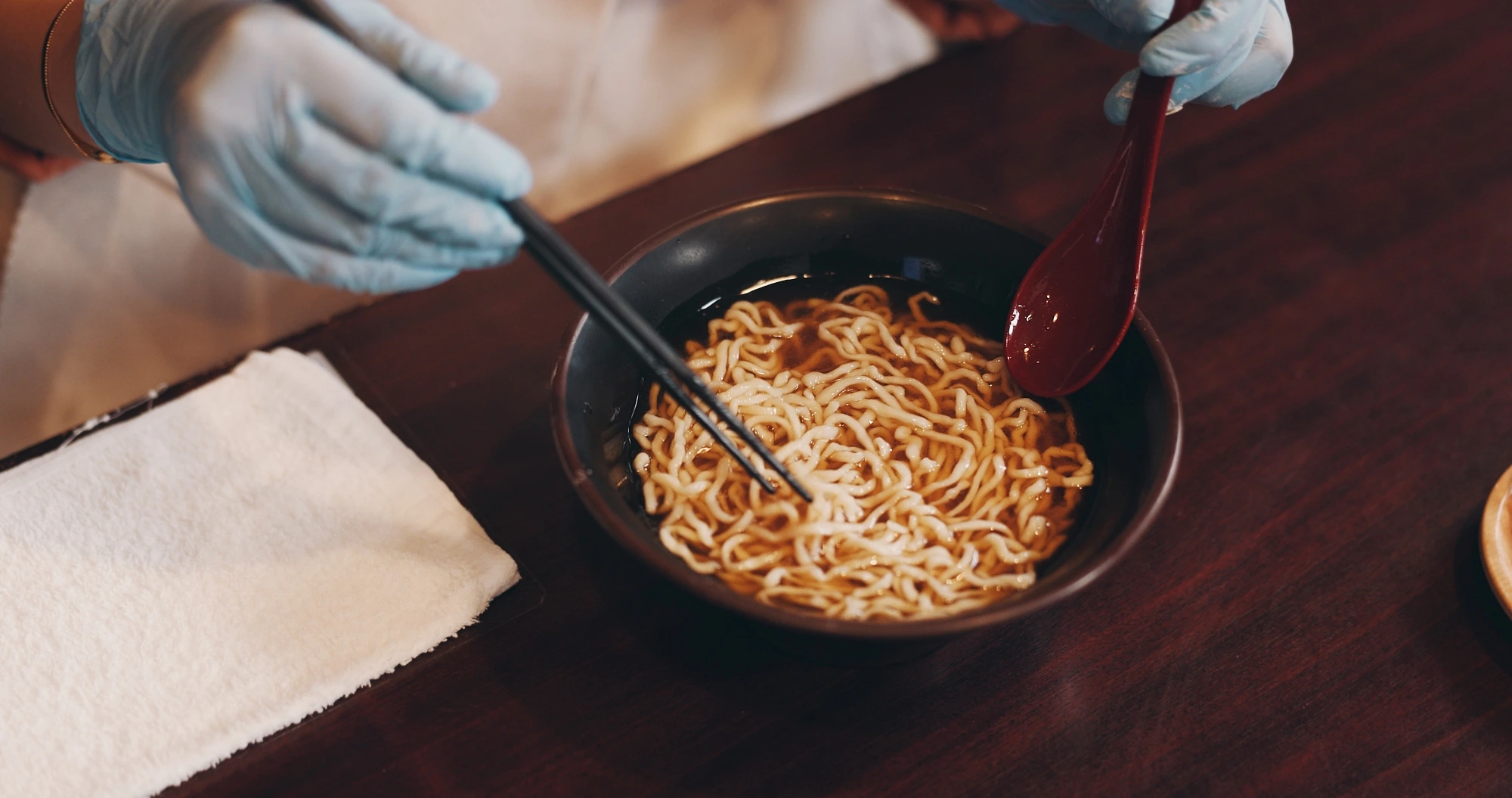 Here are some key differences between ramen and udon that you should know.
1. Ingredients Used
The first major difference between ramen and udon lies in their ingredients. Ramen is made from wheat flour, water, salt, and an additional ingredient called kansui, an alkaline solution that gives the noodles their yellowish color and distinctive aroma. This kansui also gives ramen its slightly chewy, firm texture.
Meanwhile, udon is made only from wheat flour, water, and salt, without kansui. Because of that, udon noodles are softer, thicker, and more elastic. When eaten, udon feels chewy and tender in the mouth, very different from the thinner, springier texture of ramen noodles.
2. Noodle Thickness and Texture
In terms of appearance, udon noodles are much thicker and larger than ramen. Udon usually has a round, cylindrical shape with a substantial diameter, while ramen noodles tend to be thinner and more flexible.
This difference affects how they feel when eaten. Ramen gives a light, slurpable experience that pairs perfectly with its savory broth. Udon, on the other hand, offers a more filling and soft bite thanks to its thick texture.
3. Broth and Serving Style
Ramen is known for its rich and flavorful broth. Popular varieties include shoyu (soy sauce), miso (fermented soybean paste), shio (salt), and tonkotsu (pork bone). Ramen is typically served hot, topped with half-boiled eggs, slices of pork (chashu), scallions, nori (seaweed), and sometimes corn.
Udon, however, is more versatile, it can be served hot or cold. Its broth is usually made from a blend of dashi (fish stock), shoyu, and mirin, resulting in a lighter yet still savory flavor. Hot udon is perfect for cold weather, while zaru udon (cold udon served with dipping sauce) is a favorite during summer.
4. Origin and Flavor Profile
Interestingly, ramen isn’t originally from Japan. It’s believed to be adapted from Chinese noodles that were brought to Japan in the 19th century. That’s why some of its elements, such as the use of kansui, resemble Chinese-style noodles.
Udon, on the other hand, has been around in Japan much longer, dating back to the 8th century and is often considered one of Japan’s traditional noodle dishes. Its flavor is milder and simpler, making it perfect for those who prefer a lighter, more subtle taste.
5. Menu Variations
Both ramen and udon have plenty of delicious variations. For ramen, you might be familiar with types like tonkotsu ramen, shoyu ramen, or miso ramen, all known for their rich and hearty broths.
For udon, there are versions such as kitsune udon (topped with sweet fried tofu), tempura udon (served with shrimp or vegetable tempura), or nabeyaki udon (served in a hot clay pot with egg and vegetables).
Read more: Not Just Miso and Shoyu! Here Are 8 Most Popular Types of Japanese Ramen
Make Your Own Creamy and Healthy Ramen or Udon with FiberCreme!
Now that you know the differences between ramen and udon, it’s easy to see that each has its own charm and flavor. Wanna try to make a homemade version with a creamy-but-healthy twist? Ty adding FiberCreme to your broth!
FiberCreme can be used as a substitute for coconut milk or dairy milk to create a savory and creamy taste. It’s alsohigh in fiber, low in sugar, lactose-free, and boasting 0mg cholesterol, perfect for those looking forward to delicious dishes while maintaining a balanced diet.
Want to try making your own creamy ramen or flavorful udon at home? Explore more healthy and tasty recipes with FiberCreme on Instagram @FiberCreme_TV and YouTube channel Ellenka!
0 Comments