
 When mango season comes around, who can resist this fruit? Its fragrant aroma, sweet taste, and refreshing flesh make mango a favorite for many people. Especially in Indonesia, there are so many varieties of mango you can easily find at markets or supermarkets.
Two of the most commonly mistaken varieties are honey mango (mangga madu) and manalagi mango. At first glance, they look similar, both sweet and refreshing, but there are a few differences you can notice so you won’t pick the wrong one. Let’s take a closer look at the differences between honey mango and manalagi mango below.
1. Shape and Size
The first difference you’ll notice is in their shape. Honey mango usually comes in medium to large sizes, with an elongated shape and slightly pointed tip. Its skin is smooth, and when ripe, turns bright yellow, sometimes with an orange tint.
Meanwhile, manalagi mango tends to be rounder and slightly smaller. Its skin remains green even when ripe, sometimes showing a slight yellowish hue in certain parts. So, if you see a mango that stays green but tastes sweet, it’s most likely a manalagi mango.
2. Taste and Aroma
This is the part that often sparks curiosity. As the name suggests, honey mango has a sweet, honey-like flavor. It’s almost never sour, making it perfect for those who prefer a purely sweet fruit. Its aroma is mild and pleasant, not too strong.
On the other hand, manalagi mango is also sweet but in a slightly different way. Its sweetness comes with a refreshing hint of mild acidity, making the flavor more complex. Its aroma is also sharper compared to honey mango.
3. Flesh Texture
For those who pay attention to fruit texture, this is another key difference. Honey mango has thick, juicy, and tender flesh. Its smooth texture makes it delicious to eat fresh or blend into juice. Manalagi mango, however, has firmer flesh, slightly fibrous, and not as juicy. It’s still tasty eaten fresh, but it’s often better suited for fruit salad or rujak.
4. Availability and Price
Price is another factor that sets them apart. Honey mango tends to be more expensive since its rich sweetness is highly sought after. Manalagi mango, on the other hand, is generally more affordable and widely available in traditional markets. During peak season, both are abundant, but outside the season, honey mango is usually harder to find.
Tips to Enjoy Mango Better
 Whether it’s honey mango or manalagi, both can be turned into a variety of dishes. You can eat them fresh, make juice, smoothies, fruit cocktails, or even modern desserts.
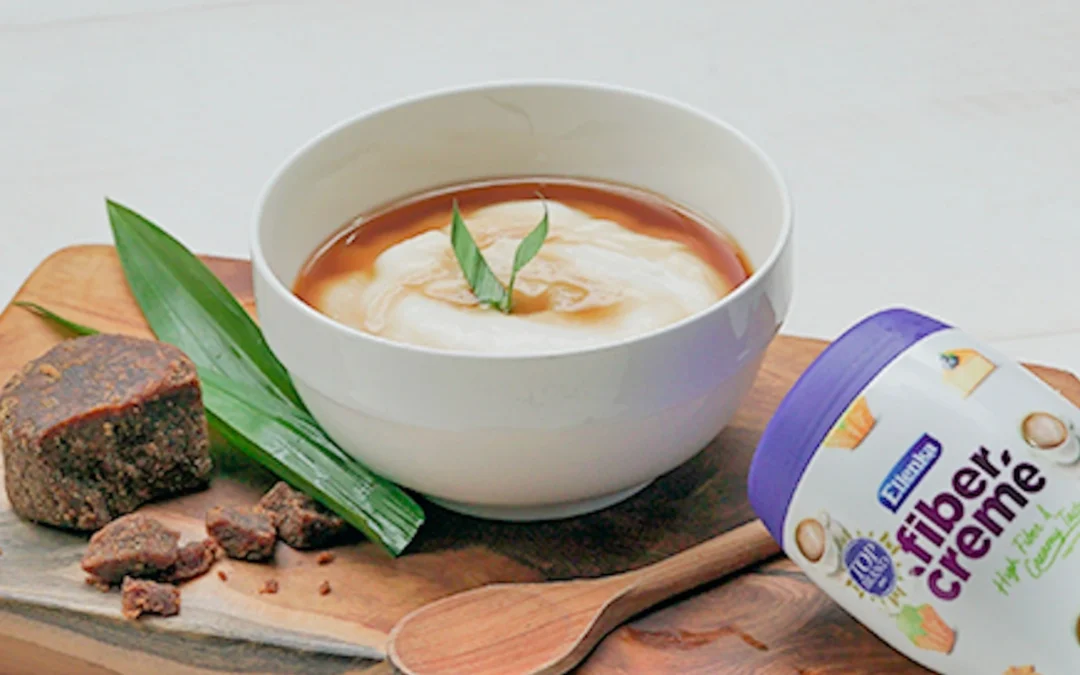
If you want a creamier touch to your mango dish, try adding FiberCreme as a healthier substitute for coconut milk or dairy. For example, blending honey mango with FiberCreme for a creamy smoothie will give you a drink that’s not only delicious but also healthier, high in fiber, low in sugar, and cholesterol-free. Perfect for those who want something refreshing without compromising health.
Read more: Types of Mangoes Popular in Indonesia and How to Enjoy Them
Enjoy Mango in a Healthier, Creamier Way with FiberCreme!
Now you know the key differences between honey mango and manalagi mango, from their shape, taste, and texture to their price. Each has its own charm, so you just need to choose based on your preference: super-sweet and smooth or sweet-fresh with a stronger aroma.
To make your experience with mangoes even more special, don’t hesitate to pair it with FiberCreme. This versatile creamer is a healthier alternative to coconut milk and dairy, high in fiber, low in sugar, and with 0 mg cholesterol. Its natural creaminess works perfectly for smoothies, puddings, or even mango-based dessert sauces.
So, go ahead and explore creative mango recipes with FiberCreme! Find more inspiration on Instagram @FiberCreme_TV and Ellenka’s YouTube channel.

0 Comments