
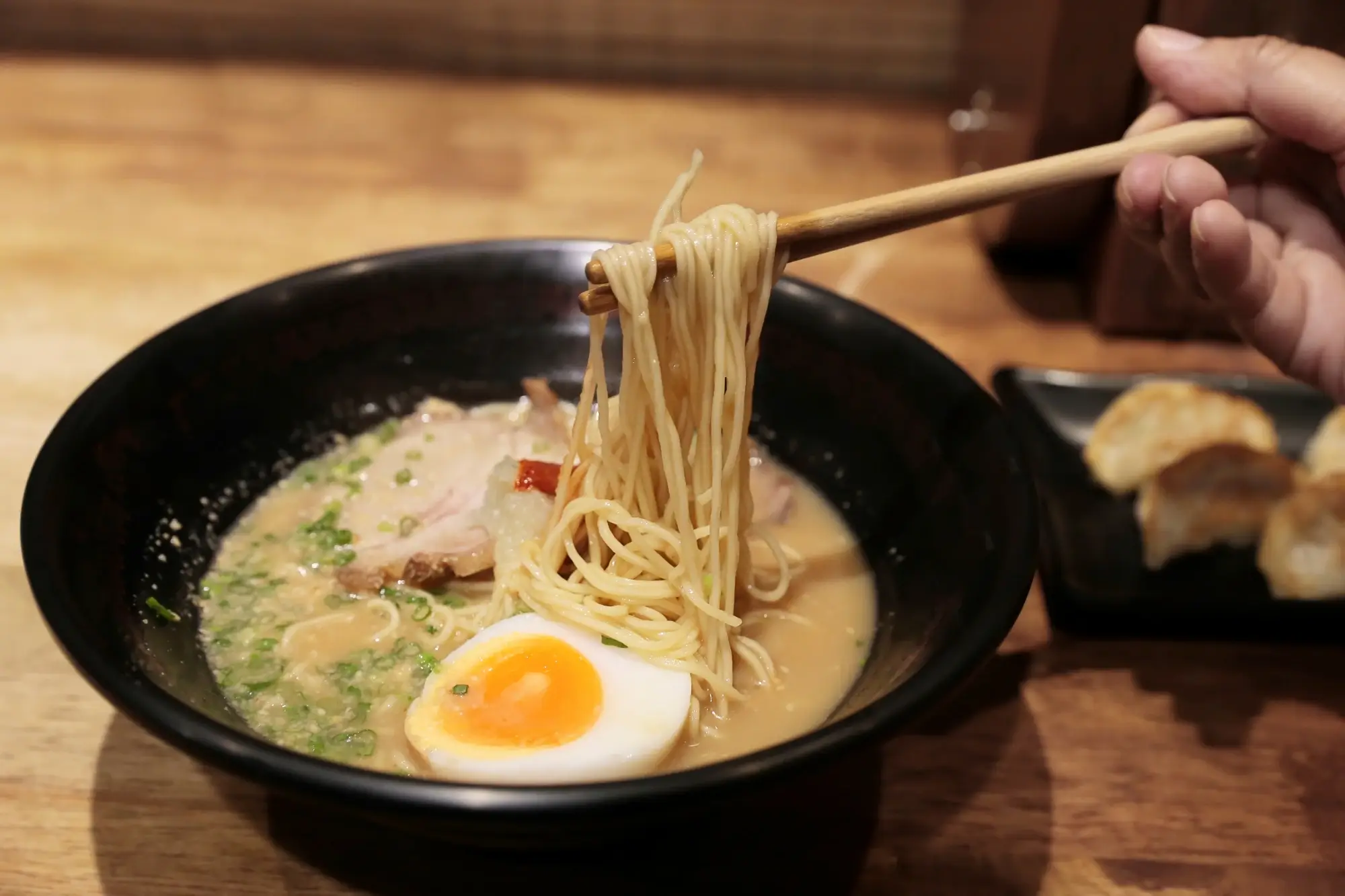
 Ever taken a sip of ramen broth at a restaurant and wondered, “How do they get it this creamy and savory?” It is rich, silky, and fragrant, yet the ramen’s distinctive flavors still come through. No wonder so many people want to recreate that experience at home without spending restaurant prices every time a craving hits.
Creamy-looking broth is often associated with milk or cream. But in some types of ramen, that creaminess comes from how the stock is prepared and how its flavors are brought together.
Creamy Ramen Broth Doesn’t Always Need Milk
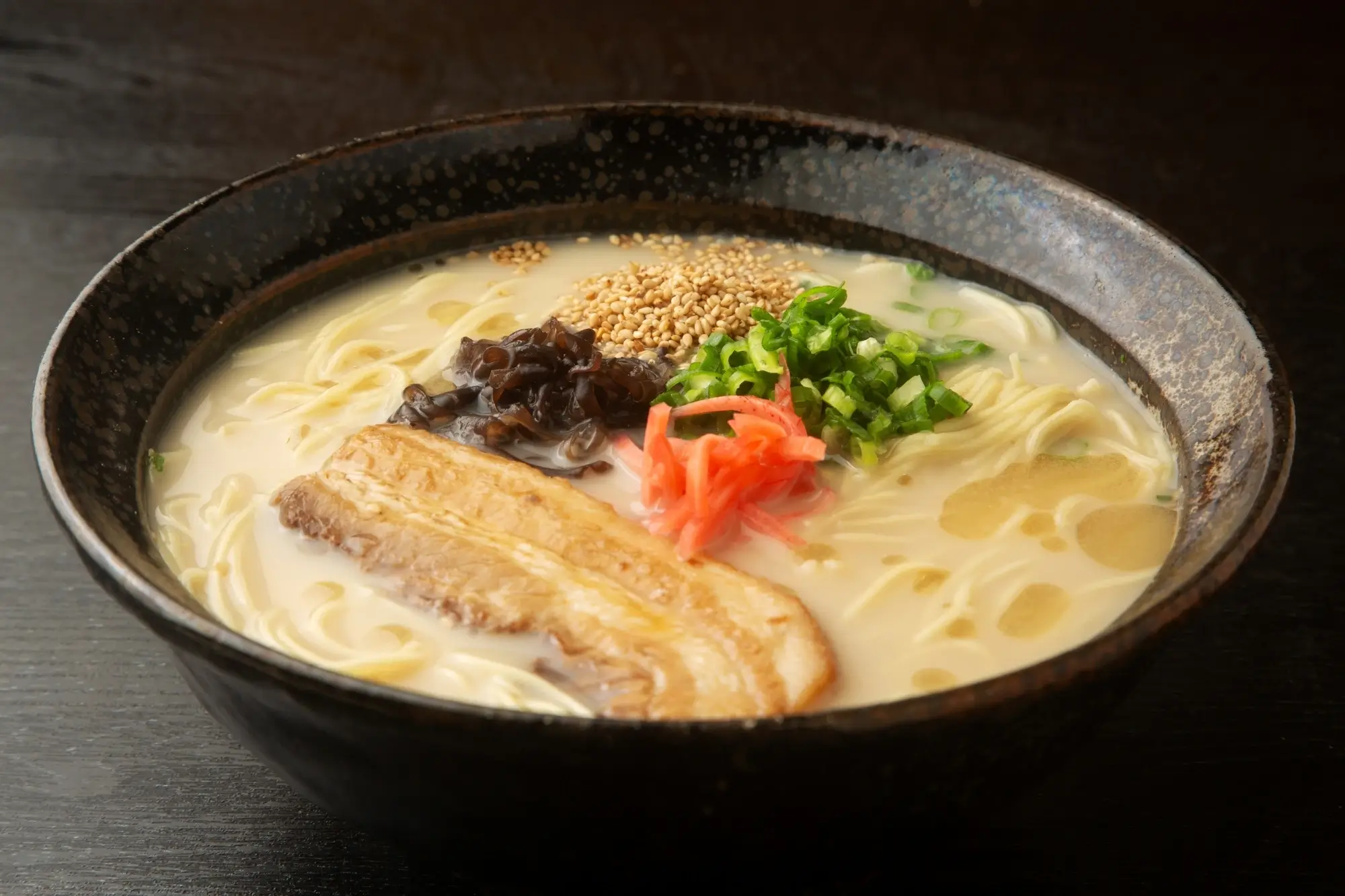
One example is tori paitan. This chicken-based ramen broth is known for its cloudy appearance and rich texture. Simmering chicken bones, skin, and other parts releases fat and gelatin into the stock, while vigorous boiling helps emulsify the fat, giving the broth its creamy appearance and body.
So, creamy ramen does not have to taste milky. The broth can feel smooth and full-bodied while still allowing the chicken stock, miso, shoyu, or other seasonings to shine.
That also explains why simply pouring plenty of milk into noodles will not necessarily recreate restaurant-style ramen. It may change the texture, but it does not automatically create a balanced flavor.
Great Ramen Broth Is All About Layers of Flavor
Beyond the stock, a bowl of ramen usually has several other components working together.
There is tare, a concentrated seasoning that helps define the ramen’s flavor—for example, shoyu, miso, or shio. Then there is aromatic oil, which adds fragrance and another layer of flavor with every sip.
That is why great ramen is about more than thick broth. It needs savory depth, an inviting aroma, and a clear flavor identity. Whether the focus is chicken, miso, chili, or shoyu, creaminess should not overpower it.
This is a useful principle to bring into your own kitchen: do not focus only on making the broth white or extra thick. Aim for creaminess that complements the ramen’s flavor rather than taking over.
Making Ramen at Home? You Don’t Have to Simmer Stock for Hours
 Building a rich ramen broth from scratch can take time. If you enjoy experimenting in the kitchen, that process may be part of the fun.
But if you simply want to make an evening bowl of ramen or instant ramen feel a little more special, you do not always need to start with chicken bones and a large stockpot.
Start with your favorite ramen and its existing flavor profile. Then add something creamy that blends with the seasoning, without reaching for milk, cream, cheese, and several other ingredients at once.
That is where the Creamie Hack comes in.
FiberCreme Adds Creaminess While Letting the Ramen’s Flavor Shine
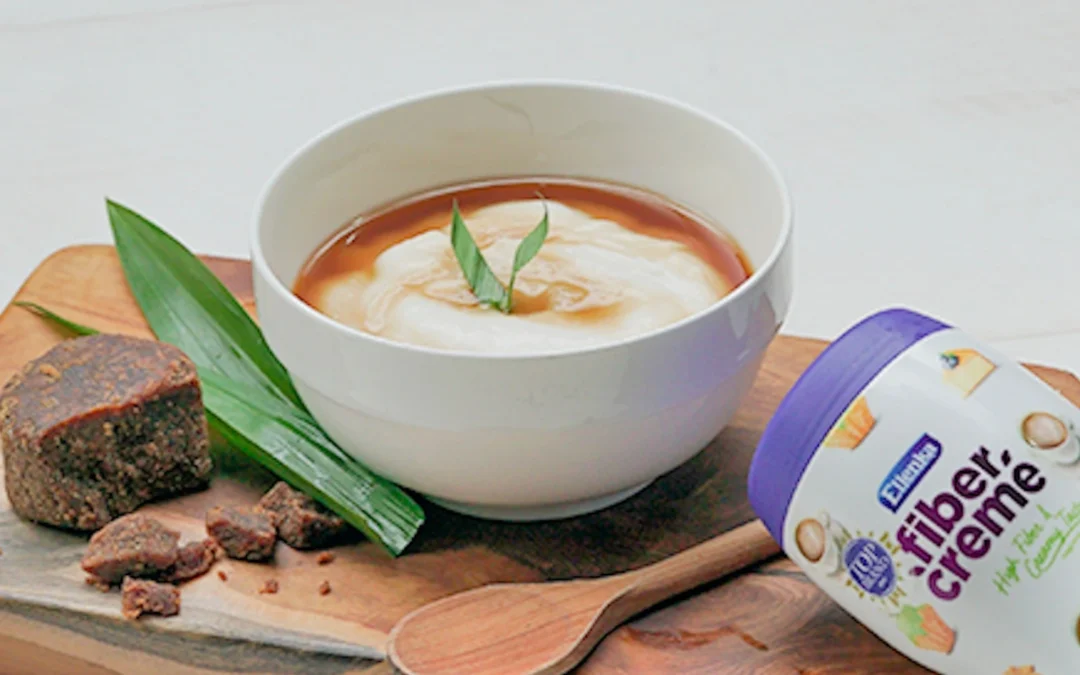
The Creamie Hack is as simple as adding FiberCreme to noodles—including ramen—to make them creamy. FiberCreme is a convenient creamer powder that you can stir directly into hot ramen broth until evenly combined.
It adds smoothness and savory richness without making the broth taste overly heavy or cloying. The original seasoning still has room to shine. If you are enjoying miso ramen, you can still taste the miso. The same goes for spicy ramen, shoyu ramen, or chicken broth.
There is another benefit, too: FiberCreme is high in fiber and lactose-free. Dietary fiber makes up 30% of the product, with oligosaccharides derived from tuber-based ingredients providing its fiber source. For people who avoid milk because of lactose intolerance, its lactose-free formulation offers another way to enjoy a creamy bowl.
Creamie: A Shortcut for Giving Instant Ramen an Upgrade
Creamie will not turn instant ramen into authentic tori paitan in one step. The preparation methods and the resulting broths are different.
But if you want a simple way to give instant ramen a more appealing creamy, savory finish, FiberCreme is a practical option. There is no need to prepare several creamy ingredients, and it adds dietary fiber, too.
From there, work with the flavors already in your ramen. Spicy ramen keeps its heat, miso retains its distinctive taste, and chicken ramen stays deliciously savory. The creaminess complements those flavors rather than covering them up.
Read more: The Difference Between Miso and Shoyu Broth: Don’t Order the Wrong One When Choosing Ramen
What Makes Ramen Taste Restaurant-Worthy?
The secret to rich, creamy restaurant-style ramen is not one magic ingredient. It is the balance of a full-bodied stock, well-developed seasoning, inviting aromas, and a smooth, cohesive broth.
At home, you can follow that same principle without recreating every step of a restaurant’s process. Keep the ramen flavors you love, then add just enough creaminess to make the broth smoother and more satisfying.
Already thinking of an instant ramen flavor you would like to turn into Creamie? Try making it your own. For a little inspiration before you start, visit @FiberCreme_TV on Instagram to explore more Creamie creations.


0 Comments