
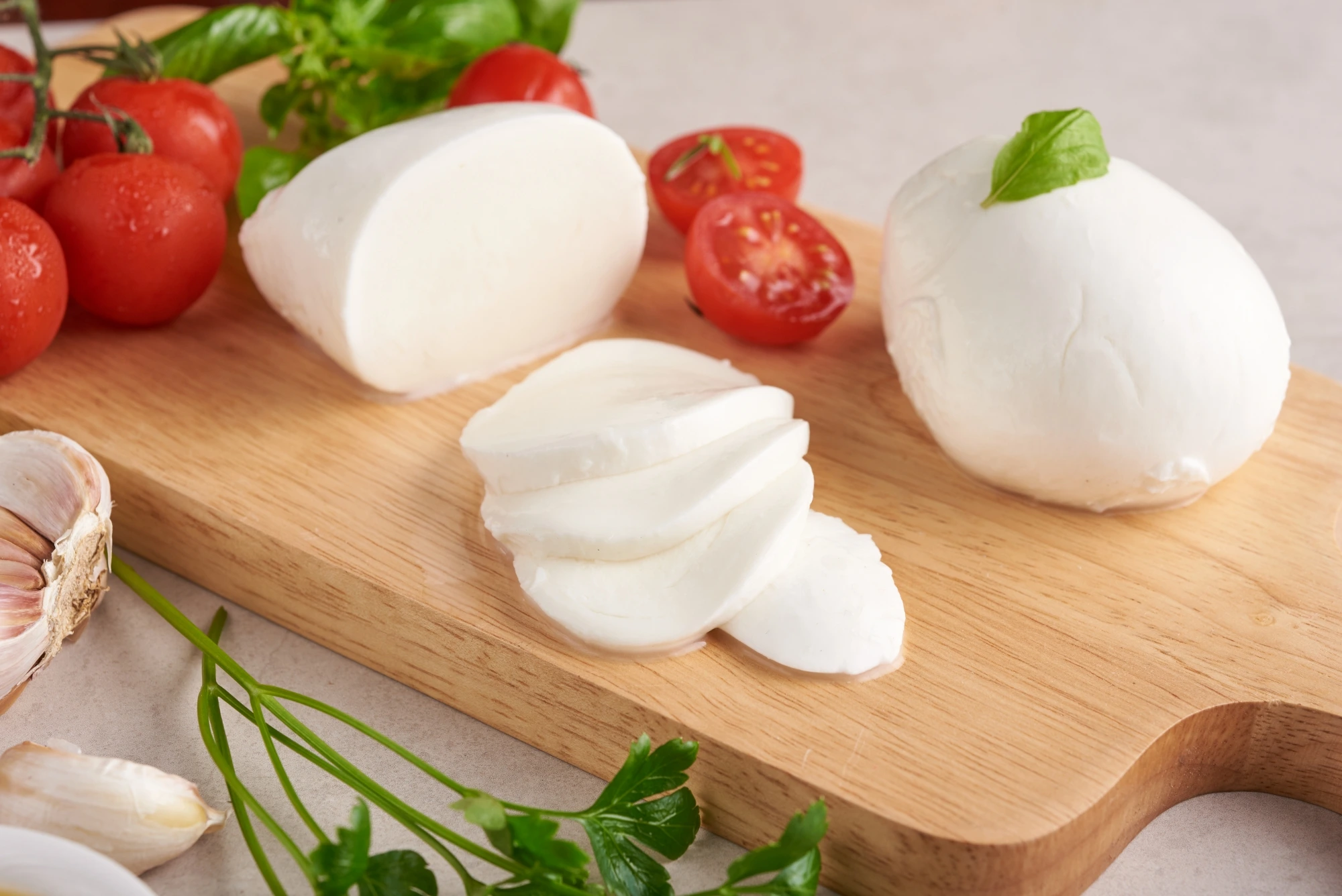
 Mozzarella cheese is known for its soft texture and signature stretch when melted. No wonder it’s a favorite for many dishes, from pizza and pasta to trendy snacks. However, many people still struggle when trying to melt mozzarella cheese at home. Instead of melting smoothly, the cheese often clumps, hardens, or releases oil too quickly.
In fact, melting mozzarella cheese isn’t as difficult as it seems. With the right technique and a basic understanding of the cheese’s characteristics, you can achieve a soft, creamy, and irresistible melt. To avoid common mistakes, let’s take a closer look at how to melt mozzarella cheese properly.
Why Can Mozzarella Be Difficult to Melt?
Before getting into the methods, it’s important to understand why mozzarella doesn’t always melt well. Mozzarella has a relatively high water and protein content. When exposed to excessive heat or cooked for too long, the proteins can tighten, causing the cheese to become stiff and oily instead of smooth and stretchy.
The type of mozzarella also plays a role. Fresh mozzarella and low-moisture mozzarella have different melting behaviors. Low-moisture mozzarella is usually better for baking because it melts more evenly and doesn’t release too much water.
How to Melt Mozzarella Cheese for the Best Results
 To get a smooth melt and great flavor, here are a few things you should keep in mind.
1. Use Low to Medium Heat
One of the most common mistakes is using heat that’s too high. High temperatures cause the cheese to break and release oil quickly. Use low to medium heat so the cheese melts slowly and evenly.
2. Grate or Slice the Cheese Thinly
Grated or thinly sliced mozzarella melts faster and more evenly. Large chunks tend to melt unevenly, with the outside drying out before the inside fully melts.
3. Add a Small Amount of Liquid
For a creamier result, you can add a small amount of liquid such as milk or warm water. For a more balanced savory flavor and smoother texture, try using FiberCreme dissolved in warm water. This helps the cheese melt more gently and reduces the chance of clumping.
4. Avoid Overheating
Mozzarella cheese should be heated for a short time only. Once it starts to melt and come together, remove it from the heat immediately. Overheating will make the texture rubbery and cause it to lose its softness.
5. Stir Gently, Not Vigorously
If you’re melting mozzarella on the stove, stir gently using a spatula. Stirring too aggressively can damage the cheese structure and cause it to clump.
Common Mistakes When Melting Mozzarella Cheese
Many people assume that higher heat means faster melting, but this is actually the biggest mistake. Excessive heat causes the proteins in the cheese to tighten and the fat to separate. Adding cheese directly into boiling liquid can also ruin its texture.
Using mozzarella straight from the refrigerator without letting it sit at room temperature for a few minutes can also affect the melting process. Allow the cheese to rest briefly at room temperature so it melts more evenly.
Read more: Cheese for Fruit Salad to Make It Even More Delicious
Make Your Melted Mozzarella Creamier with FiberCreme!
Now you know how to melt mozzarella cheese for a perfectly smooth and stretchy result. The key lies in temperature control, how you cut the cheese, and choosing the right liquid to add.
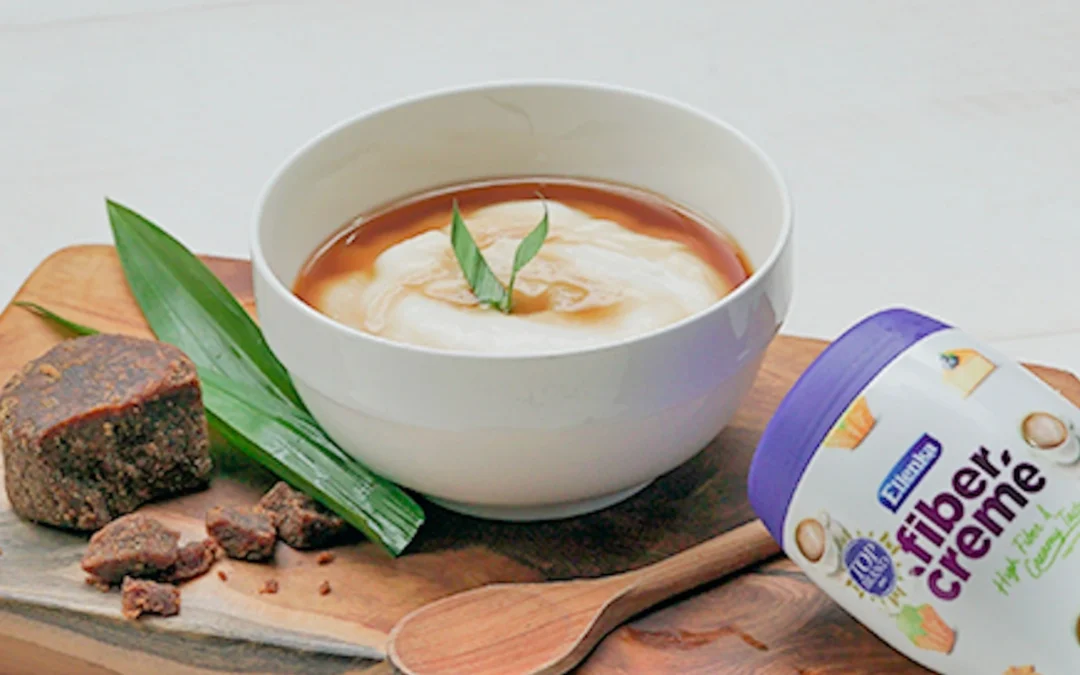
Now what are you going to make with that mozzarella? Whatever you’re making, don’t forget to make FiberCreme part of it. As an alternative to dairy milk or creamer, FiberCreme dissolves easily, has a balanced savory taste, is high in fiber, low in sugar, and contains 0 mg cholesterol. It’s perfect for a wide range of cheese-based dishes, whether for home cooking or business ideas.
Let’s explore more cheese creations and creamy cooking ideas with FiberCreme! Find recipe inspiration on Instagram @FiberCreme_TV and the Ellenka YouTube channel.




0 Comments