
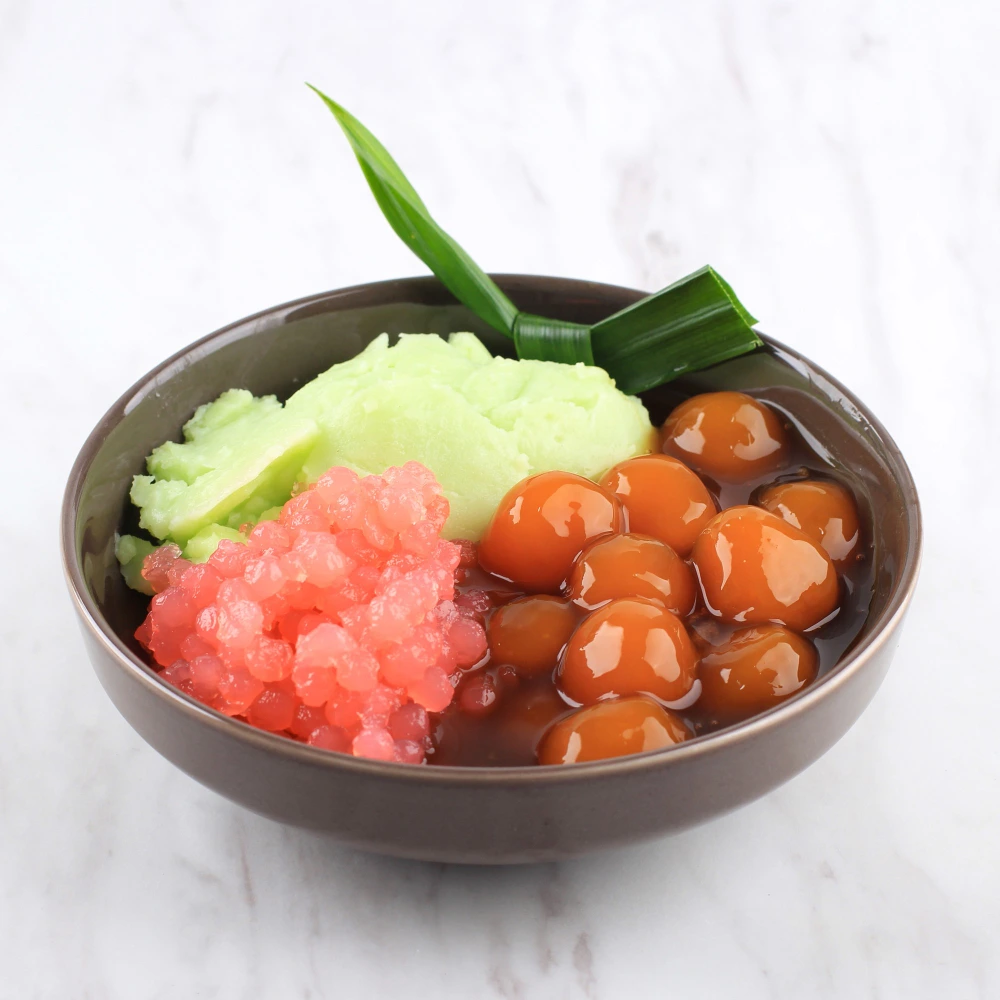
 Many people assume that candil and biji salak are the same thing. You do too? It’s no surprise, as both treats look quite similar and are served in a sweet, savory coconut milk sauce. They’re also popular choices for iftar during Ramadan! Even though they may appear alike, these two are indeed different. Curious about the differences? Read on to find out what sets candil and biji salak apart!
1. Texture and Shape
The most striking difference between candil and biji salak lies in their texture and shape. Candil is generally round or oval, sometimes even slightly flattened, with sizes that can vary from as small as a marble to as large as a fingertip.
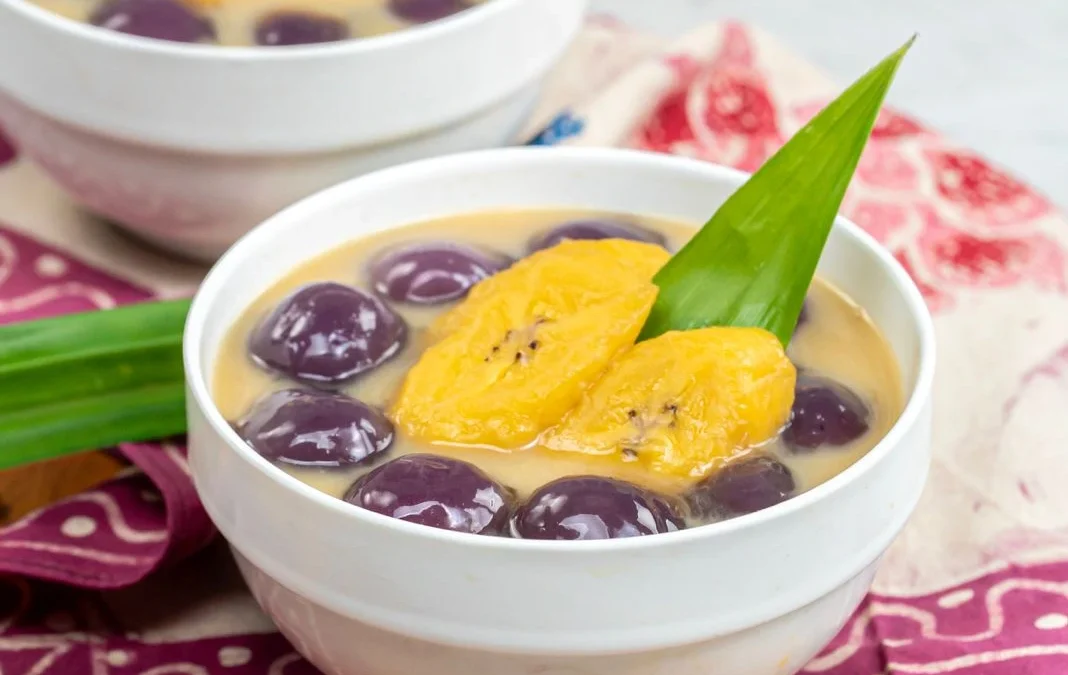
In contrast, biji salak is typically perfectly round, resembling a quail egg, and usually comes in a uniform size. While candil has a chewier and denser texture, biji salak is softer and easier to chew, offering a delightfully smooth sensation.
2. Main Ingredients
The difference in texture largely stems from the ingredients used. Candil is traditionally made from glutinous rice flour or sometimes a blend of glutinous rice flour and tapioca flour. These ingredients give candil its signature chewy and dense consistency.
On the other hand, biji salak is made from boiled and mashed sweet potatoes. These sweet potatoes impart a natural sweetness and soft texture to the snack. Often, a bit of tapioca flour is added to help bind the mixture and provide a slight chew.
3. Preparation Process
The preparation methods for candil and biji salak also differ. For candil, the dough is kneaded until smooth, then shaped into round or oval pieces before being boiled in a mixture of water and palm sugar until it’s cooked and floats. This method results in candil balls getting wrapped in glutinous palm sugar layer and may stick to one another. Afterwards, it’s served with coconut milk sauce.
Meanwhile, the sweet potatoes for biji salak are first steamed or boiled until tender. They are then mashed and mixed with tapioca flour. The resulting dough is formed into small balls, boiled until done, mixed with palm sugar mixture, and then served with coconut milk sauce.
4. Serving
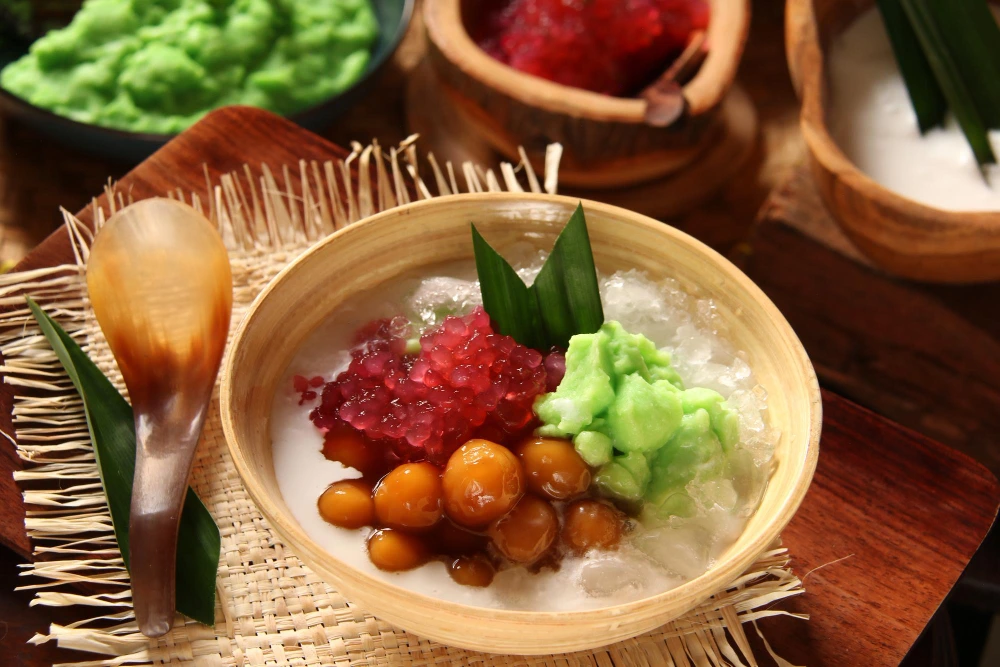 Both candil and biji salak are typically served in a warm, sweet coconut milk sauce. This sauce is often enhanced with pandan leaves and a pinch of salt to enrich its aroma and flavor. Sometimes, they’re also added to kolak (a traditional sweet dessert stew) or porridge to offer a variety of textures and flavors.
5. Flavor
Putting aside the palm sugar mixture, candil features a relatively neutral flavor. Its appeal indeed lies in its chewy texture paired with the sweet, glutinous sugar mixture and the sweet-savory notes of the coconut milk-based sauce.
In contrast, biji salak carries the natural flavor and sweetness of sweet potatoes and a tender texture. The combination of the sweet potato’s inherent sweetness with the palm sugar mixture and the rich, savory coconut milk creates a unique and delicious flavor profile.
Read More : Kolak Biji Salak Recipe: An Iconic Iftar Treat That Brings Back Ramadan Memories
Enjoy a Healthier Candil or Biji Salak with FiberCreme Coconut Milk
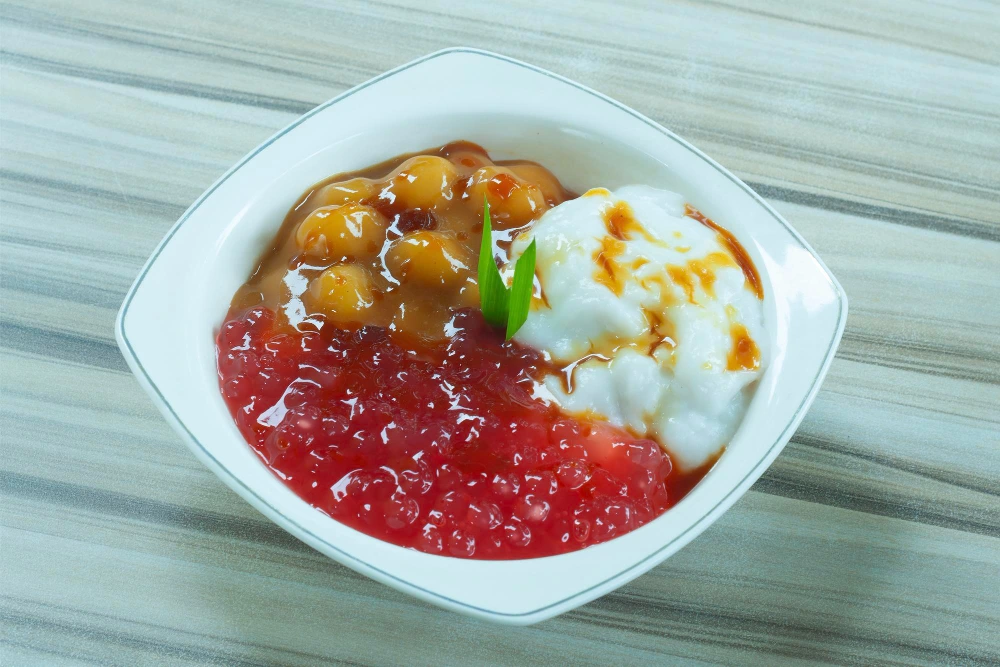 Now that you know the differences between candil and biji salak, let Minchef know which one is your favorite! Or maybe you’ve never tried them because you’re cutting back on coconut milk—the main ingredient in their creamy sauce?
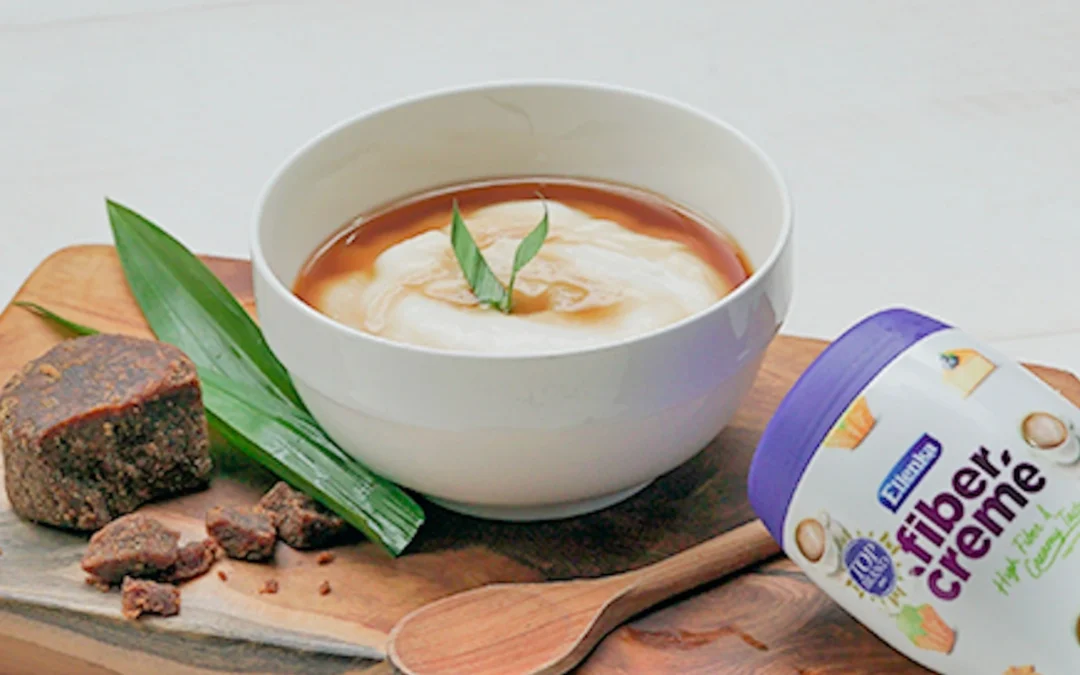
Don’t worry, though! You can still indulge in candil or biji salak with a creamy sauce that’s friendly to your healthy diet. Just swap out the coconut milk for FiberCreme, it tastes just as rich, but with high fiber, low sugar, and 0mg cholesterol.
Want to learn how to make irresistibly delicious candil or biji salak using FiberCreme? Check out the recipe on @FiberCreme_TV or on Ellenka’s YouTube channel!
0 Comments