
 For seafood lovers, tuna and tongkol are surely familiar names. Both are often used as the main ingredient in dishes like sambal matah, rica-rica, or grilled fish steak. At first glance, they look quite similar, but if you look more closely, there are clear differences between tuna and tongkol in terms of shape, taste, texture, and nutritional content.
So you won’t pick the wrong one when shopping at the market or supermarket, let’s find out what makes them different below.
1. Body Shape and Size
The most noticeable difference between tuna and tongkol is in their body shape. Tuna generally has a much larger body size. It can grow up to 2 meters long and weigh dozens of kilograms, depending on the species. Tuna’s body color tends to be lighter, with a bluish back and silvery belly.
Meanwhile, tongkol is smaller, usually around 30–80 cm in length. Its body is long and slender, with a dark bluish-black back and horizontal stripes along the body. That’s why tongkol often looks “darker” than tuna.
2. Meat Texture and Color
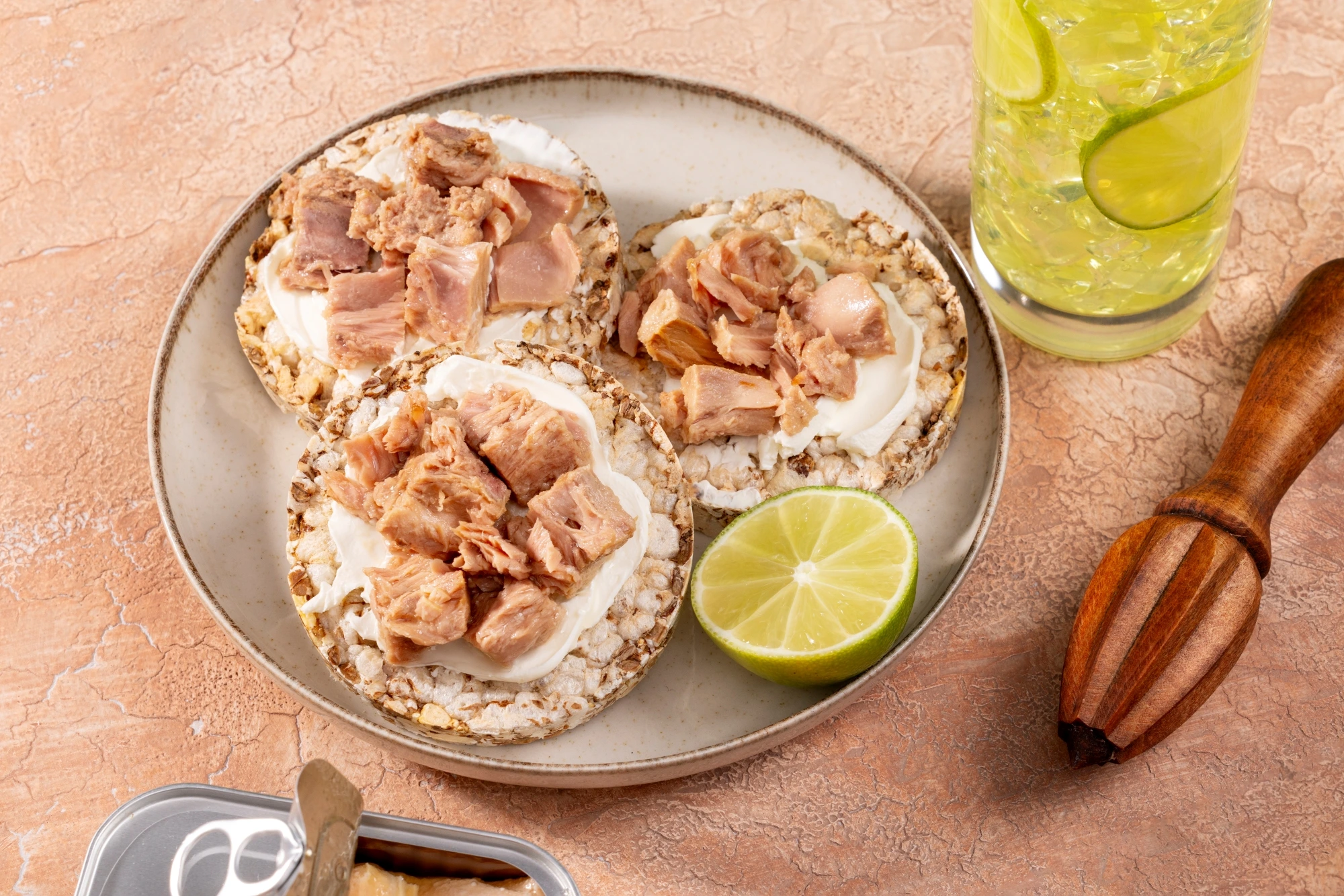 If you look closely, tuna meat is light pink to reddish in color, resembling young beef. It has a soft texture, is slightly fatty, and becomes tender when cooked, making it perfect for dishes like steak, sushi, or poke bowls.
Tongkol meat, on the other hand, is darker, often deep red or purplish. It has a denser, more fibrous texture, which makes it great for traditional Indonesian dishes rich in spices, such as balado, rica-rica, or sambal hijau.
3. Flavor
When it comes to taste, tuna has a milder, cleaner umami flavor and is less “fishy.” That’s why it’s often preferred for modern or international dishes.
Tongkol, however, has a stronger and more intense flavor that can taste slightly “gamey” if not processed correctly, but that’s exactly what makes it pair so well with Indonesia’s bold, spicy seasonings.
4. Nutritional Value
Both tuna and tongkol are rich in protein and low in saturated fat. But when compared, tuna contains more omega-3 fatty acids, which are beneficial for heart and brain health.
Meanwhile, tongkol is higher in iron and B-complex vitamins, which play an important role in energy production and maintaining healthy blood. Both are nutritious options, it just depends on your dietary needs and cooking preferences.
5. Price and Availability
Because of its larger size and high export demand, tuna tends to be more expensive. It’s also commonly sold as fillets or canned fish.
Tongkol, on the other hand, is easy to find in traditional markets at a much more affordable price, usually sold whole or in large chunks.
6. Cooking Methods
Tuna is best cooked using quick methods like grilling, pan-searing, or stir-frying to keep its texture juicy.
Tongkol is better suited for long cooking processes or heavily seasoned dishes such as frying, roasting, or mixing with chili paste.
If you prefer spicy, flavorful, and long-lasting home dishes, tongkol is a great choice. But if you want something softer and more modern, tuna is your go-to fish.
Read more: Delicious, Healthy, and Easy Tuna Dishes to Make at Home
Make Your Fish Dishes Creamier and Healthier with FiberCreme!
Now that you know the difference between tuna and tongkol, you can easily choose the right one for your next meal. Both are great sources of protein for a healthy diet. And to make your fish dishes even more delicious, try adding FiberCreme as a special touch!
FiberCreme is a healthier alternative to coconut milk or dairy because it’s high in fiber, low in sugar, and contains 0 mg cholesterol. Its creamy, savory taste stays light on the stomach, perfect for recipes like fish curry, creamy fish soup, or tuna pasta.
With FiberCreme, you can enjoy your favorite fish dishes without worrying about excess fat or cholesterol. Let’s create creamier and healthier meals with FiberCreme! Find more recipe inspirations on Instagram @FiberCreme_TV and YouTube channel Ellenka.

0 Comments