
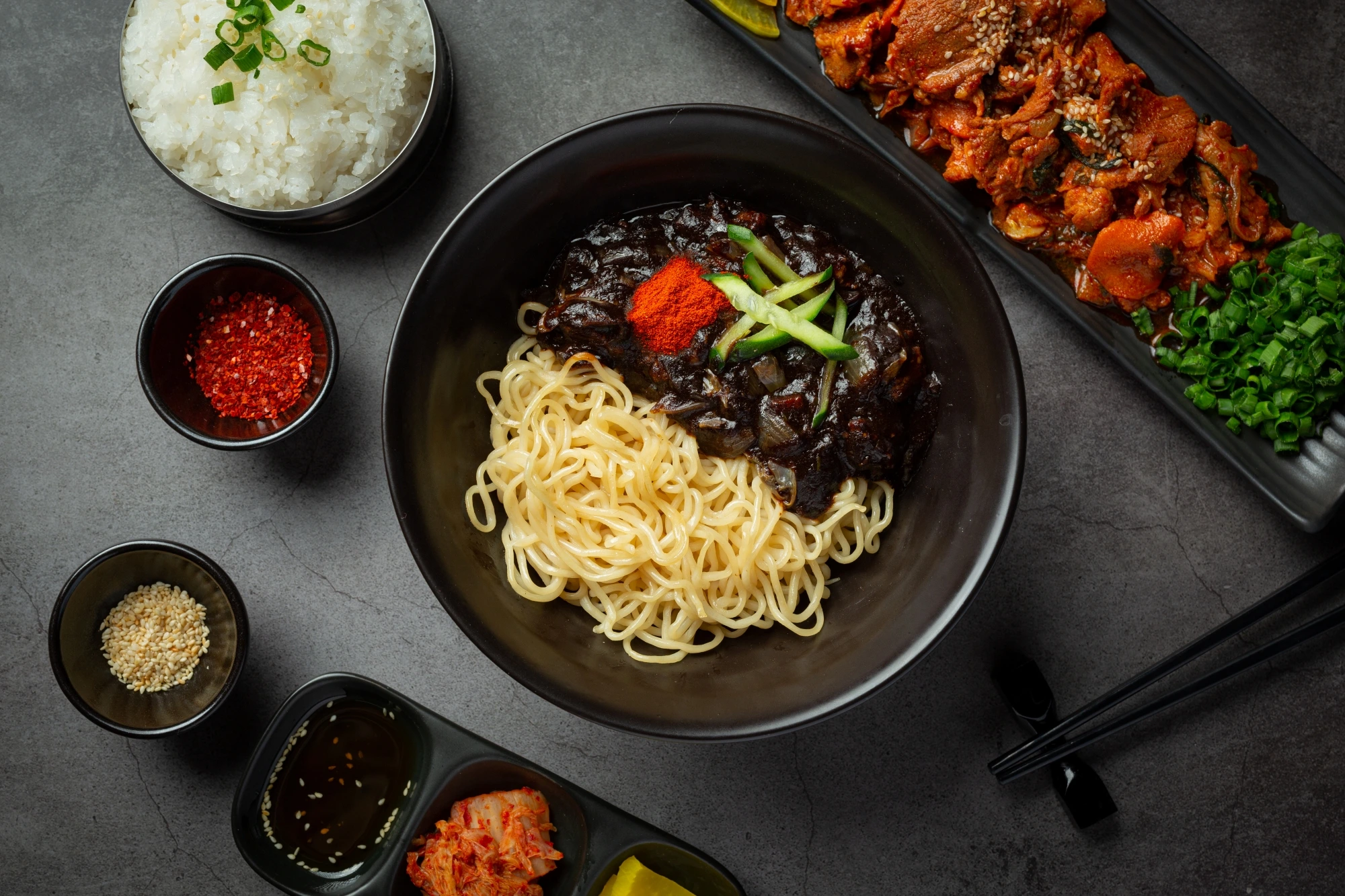
 If you’ve ever watched a Korean drama while feeling hungry, chances are you’ve thought, “What kind of noodles are those? They look so good!” From fiery red broths to black noodles casually mixed before eating, Korean noodles really do have a charm of their own. It’s not just about the spiciness, the texture and the way they’re served often make them irresistibly addictive.
Interestingly, Koreans have many different types of noodles for different moments. Some are perfect to enjoy on a rainy day, others are best eaten cold, and there are even noodles that are usually served without any broth at all. So you’re not just familiar with the names, let’s take a closer look at the types of Korean noodles most commonly used in various dishes.
Types of Korean Noodles You Should Know
Below are some popular types of Korean noodles, both those commonly found in Korea and those adapted in restaurants and home cooking elsewhere.
1. Ramyeon
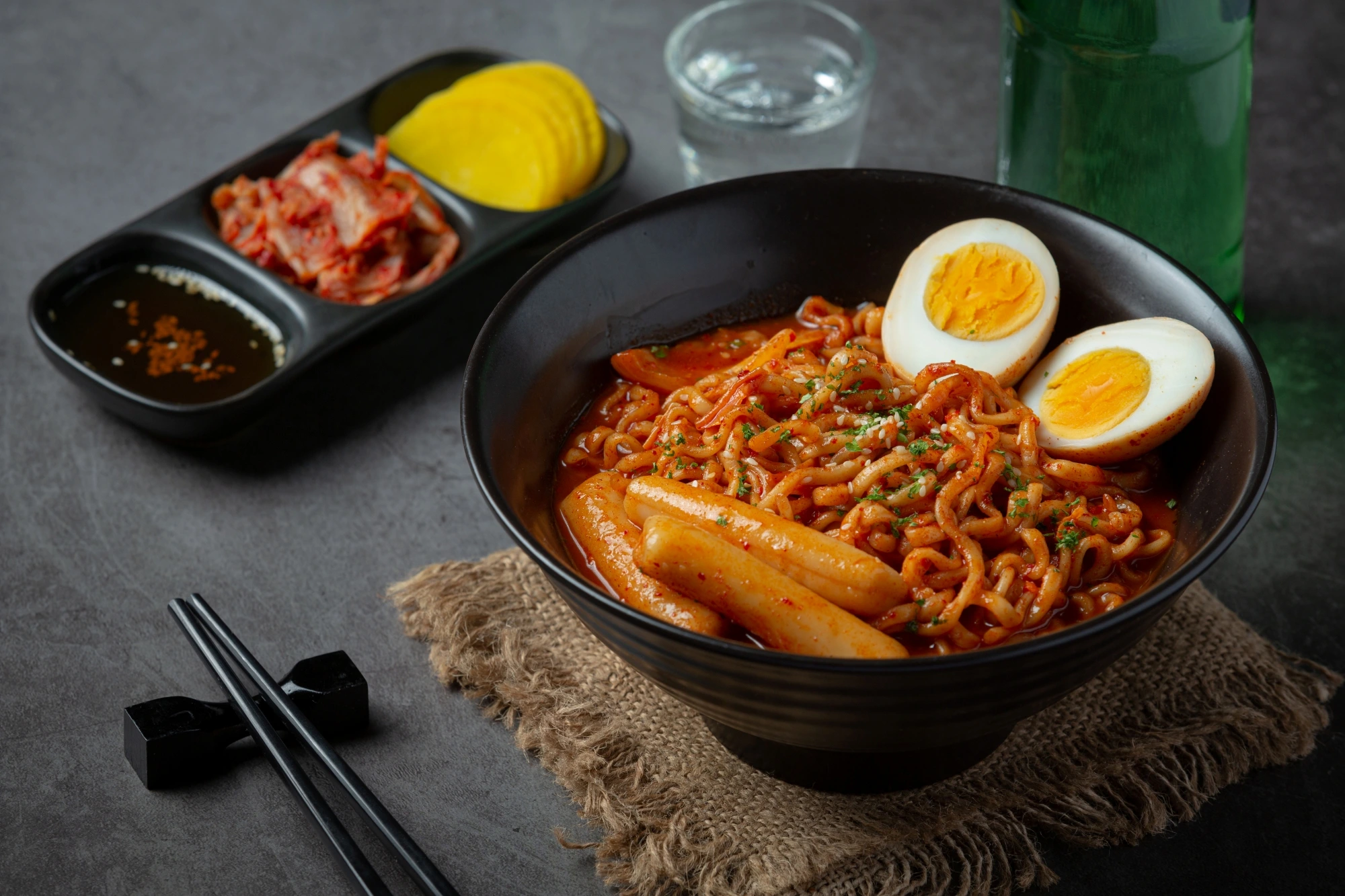 When it comes to Korean noodles, it wouldn’t feel complete without starting with ramyeon. This is the type most often seen in dramas, usually eaten late at night or when someone is tired. The noodles are curly and chewy, served in a broth that’s savory and spicy.
Ramyeon is closely associated with instant noodles, but in Korea there are also more “serious” versions cooked with added eggs, vegetables, cheese, or meat. The flavor is bold, warming, and perfect for those who enjoy food with a strong character.
2. Jajangmyeon
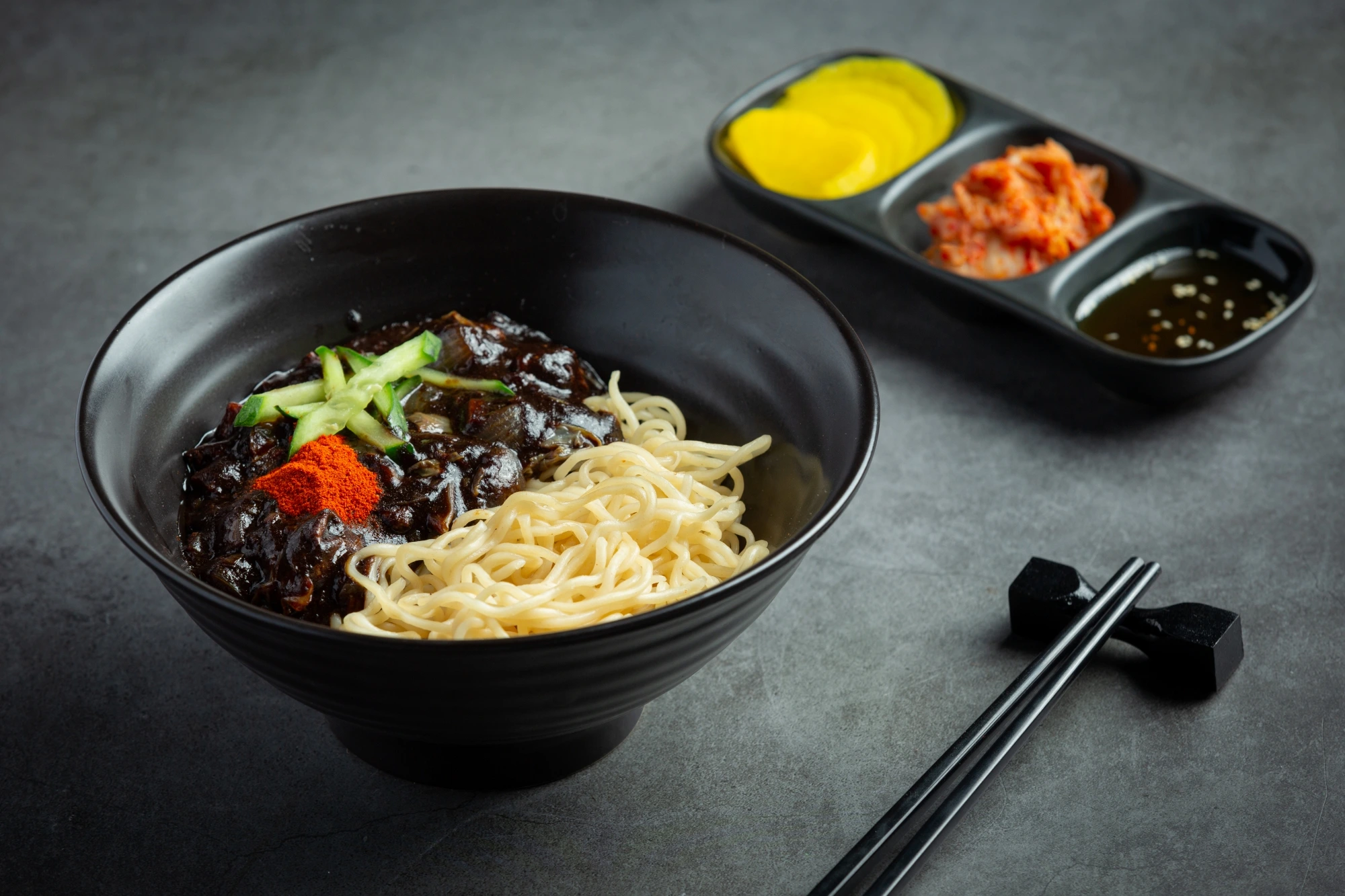 Jajangmyeon often sparks curiosity because of its deep black color. But don’t be fooled, the taste is actually sweet and savory, very comforting on the palate. The noodles are thick and straight, topped with a rich black bean sauce.
This type of Korean noodle dish is usually eaten by mixing the noodles and sauce until everything is well coated. It’s ideal for those who don’t like spicy food but still want something rich and satisfying. Jajangmyeon is also a favorite for casual meals with family or friends.
3. Kalguksu
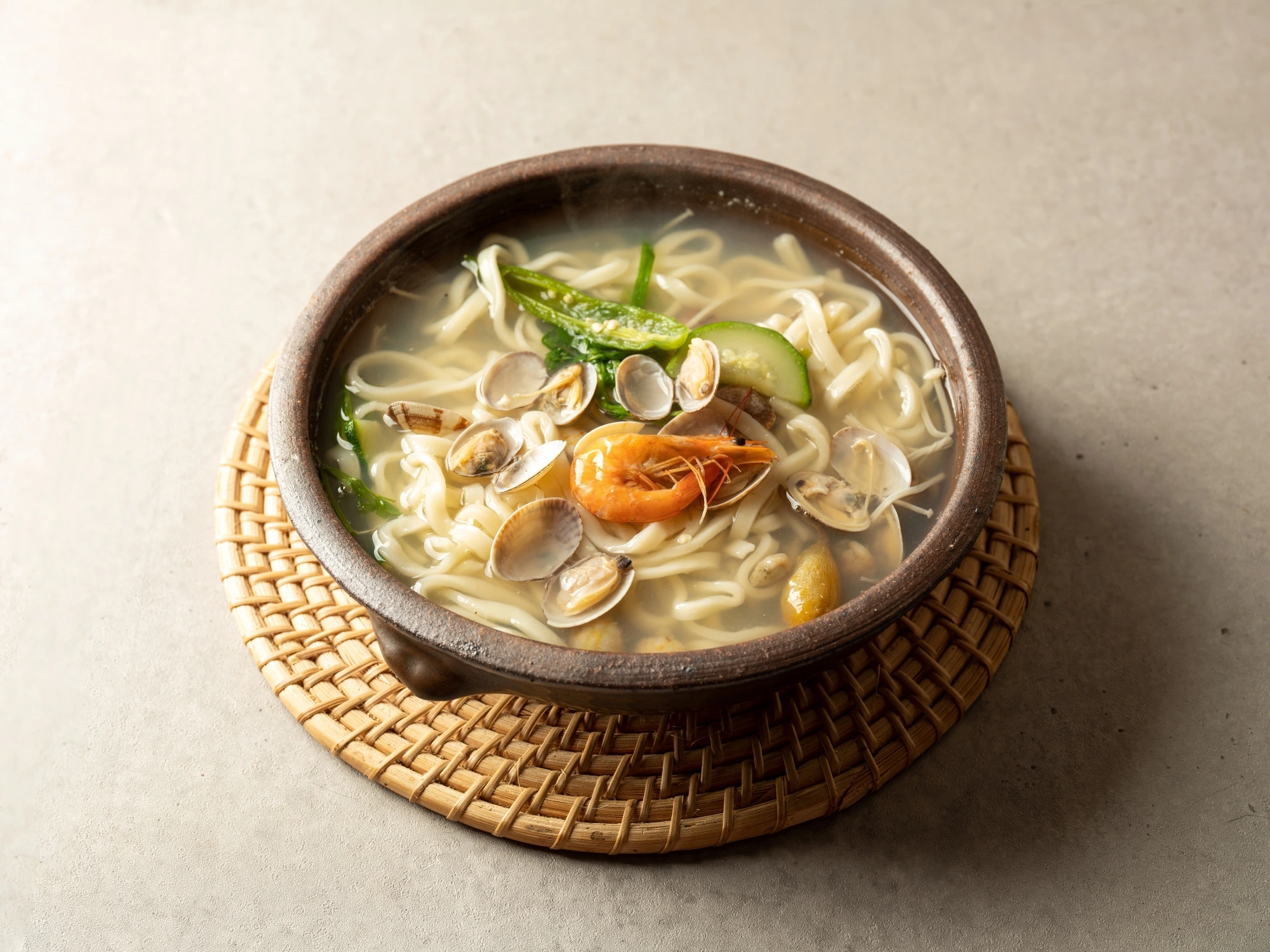 Kalguksu can be described as a warm, comforting, home-style noodle dish. The noodles are flat and slightly wide, with a soft texture. They’re served in a light yet savory broth.
Kalguksu is often eaten during cold weather or when you’re not feeling well. The flavor isn’t overpowering, but that’s exactly what makes it comforting and addictive. It’s perfect for anyone who enjoys noodle soup without too much heat.
4. Naengmyeon
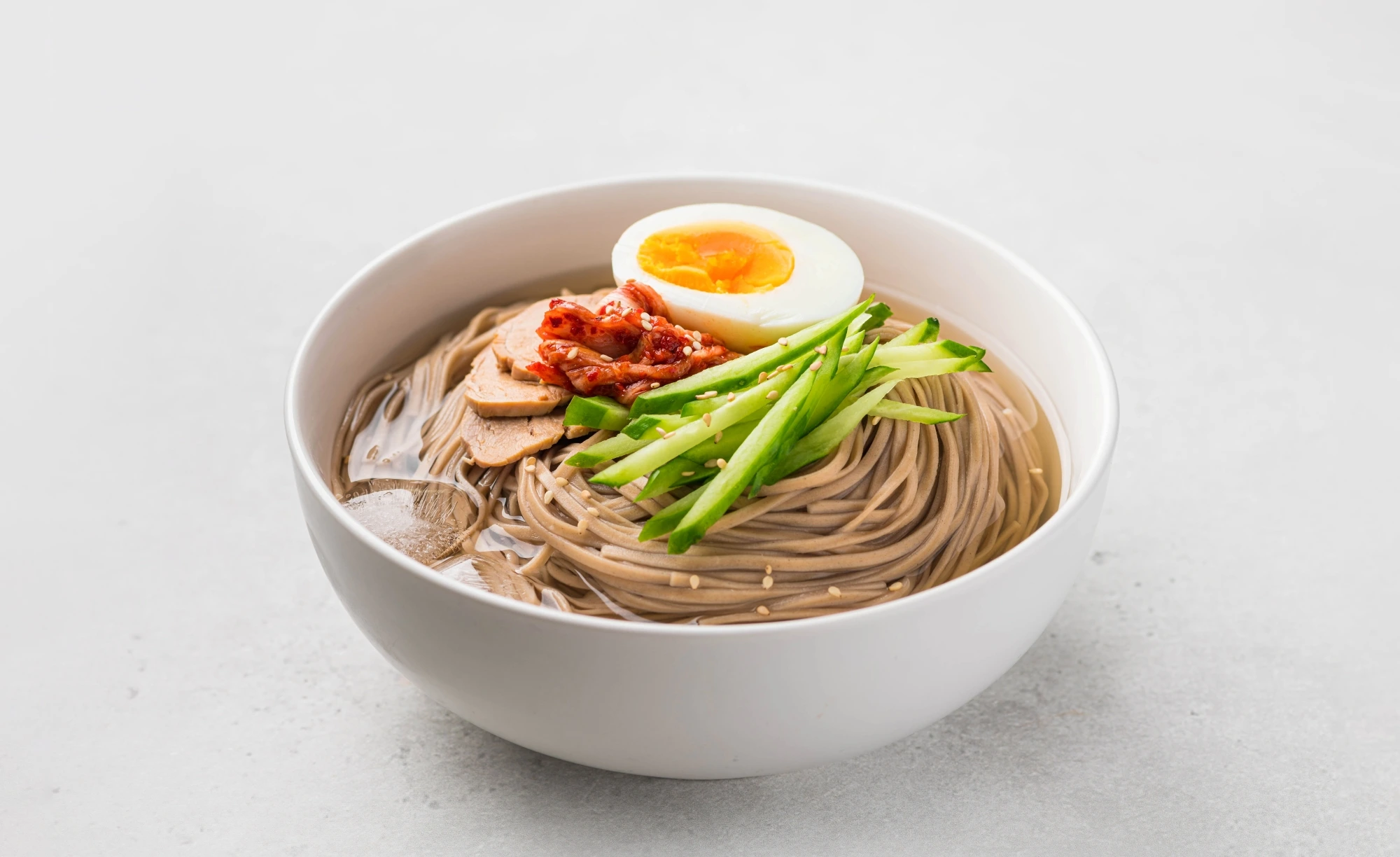 While kalguksu is known for warmth, naengmyeon is its complete opposite. This is a cold noodle dish that’s especially popular in summer. The noodles are thin, long, and extremely chewy.
Naengmyeon is served in icy cold broth or with a spicy-sweet sauce, topped with cucumber slices, egg, and meat. The sensation is unique and refreshing, and once you try it, you’ll likely want it again.
5. Japchae
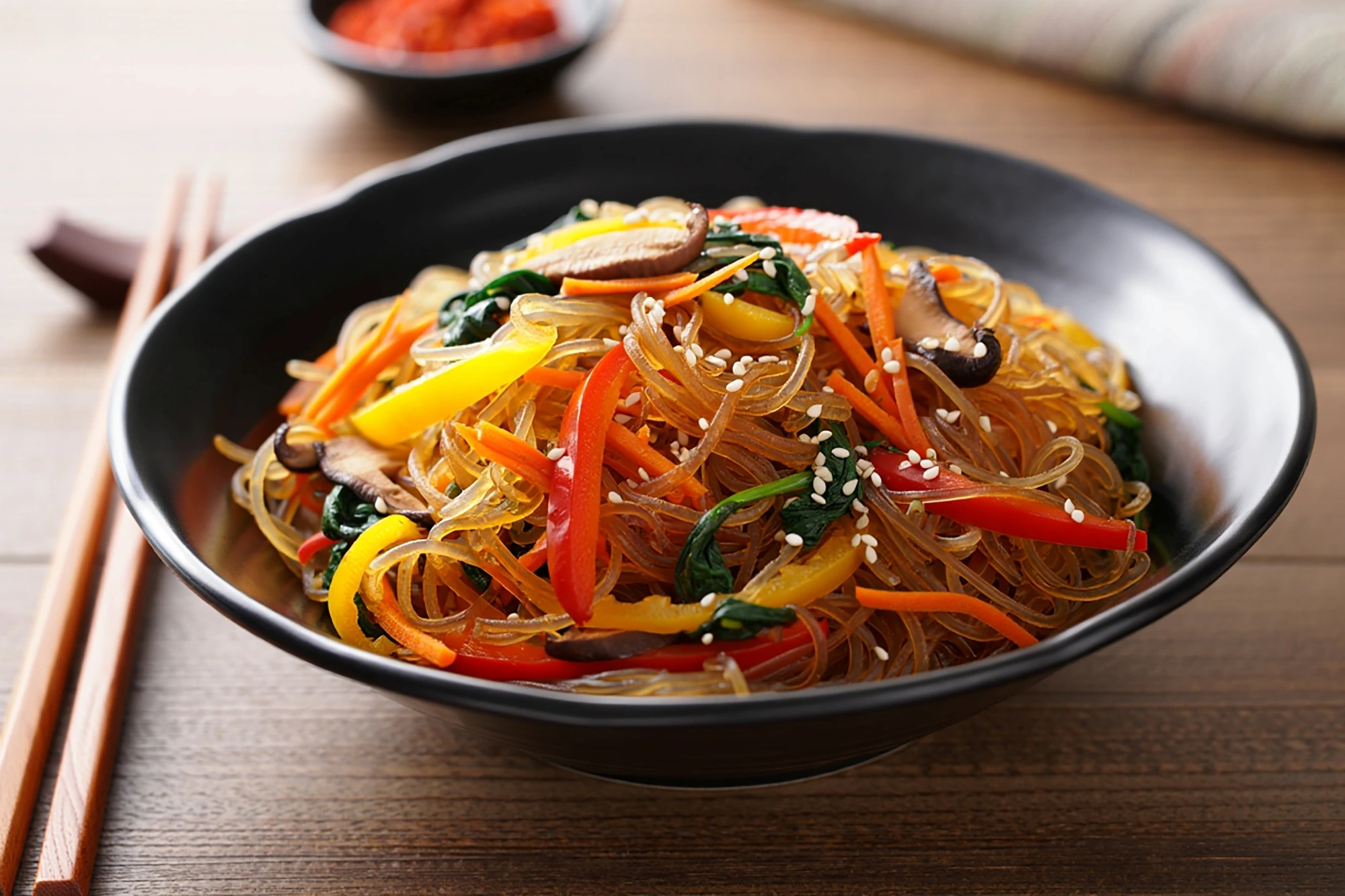 Japchae isn’t a noodle soup, but rather a stir-fried noodle dish. The noodles are made from sweet potato starch, giving them a translucent look and a chewy texture. They’re cooked with vegetables and meat, creating a well-balanced sweet and savory flavor.
In Korea, japchae is often served at special occasions. Nowadays, it’s also commonly enjoyed as an everyday dish because it’s light and easy to pair with other foods.
6. Bibim Guksu
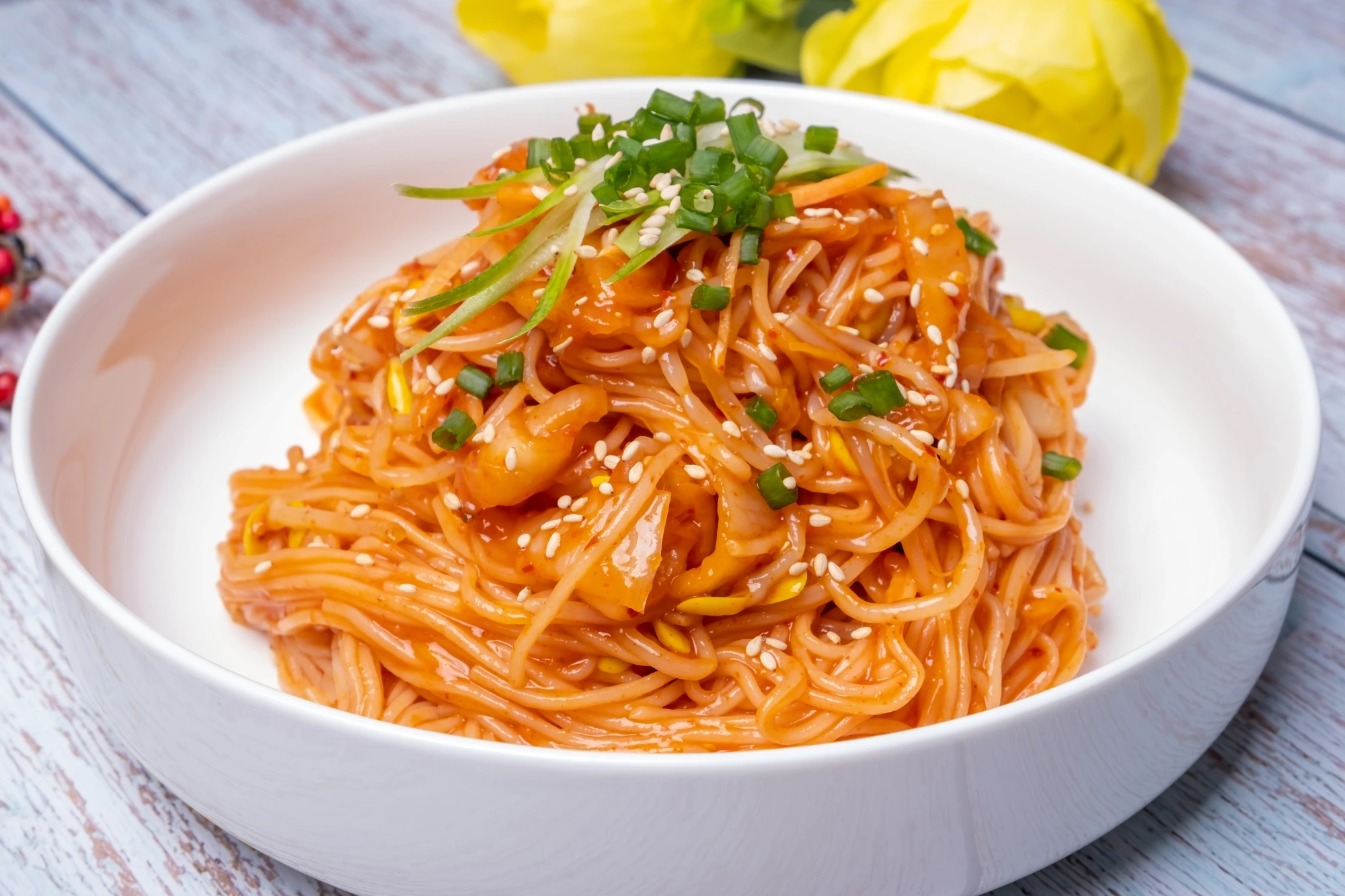 Bibim guksu is a noodle dish without broth, tossed in a fresh spicy-sweet sauce. It’s usually served with sliced cucumber and sprinkled with sesame seeds. The taste is tangy, spicy, and light.
This type of Korean noodle is great if you’re craving noodles but don’t want something too heavy. It’s also delicious served cold, especially on hot days.
Read more: 5 Korean Soups Perfect for Rainy Days
Making Korean Noodles Creamier and More Enjoyable
Some types of Korean noodles especially those that are spicy or strongly flavored, can taste even better with a touch of creaminess. Creamy here doesn’t mean heavy or overwhelming, but rather smoother and more balanced.
At home, you can use FiberCreme as an alternative to coconut milk or dairy milk for noodle broths or sauces. It has a mild savory taste, dissolves easily, and doesn’t make the dish feel heavy. Plus, FiberCreme is high in fiber, low in sugar, and contains 0 mg cholesterol, making it more comfortable to enjoy.
Time to Explore Your Own Korean Noodle Creations
Now that you’re more familiar with different types of Korean noodles and their unique characteristics, it’s just a matter of matching them to your mood, whether you want a warm broth, dry sweet-savory noodles, or refreshing cold noodles.
If you’d like to make a creamier yet lighter version of Korean noodles, or whatever Korean food you‘re interested in trying, don’t hesitate to use FiberCreme as a dairy milk and cream alternative. Let’s explore homemade and modern Korean noodle ideas with FiberCreme! Find more recipe inspiration on Instagram @FiberCreme_TV and the Ellenka YouTube channel.


0 Comments