
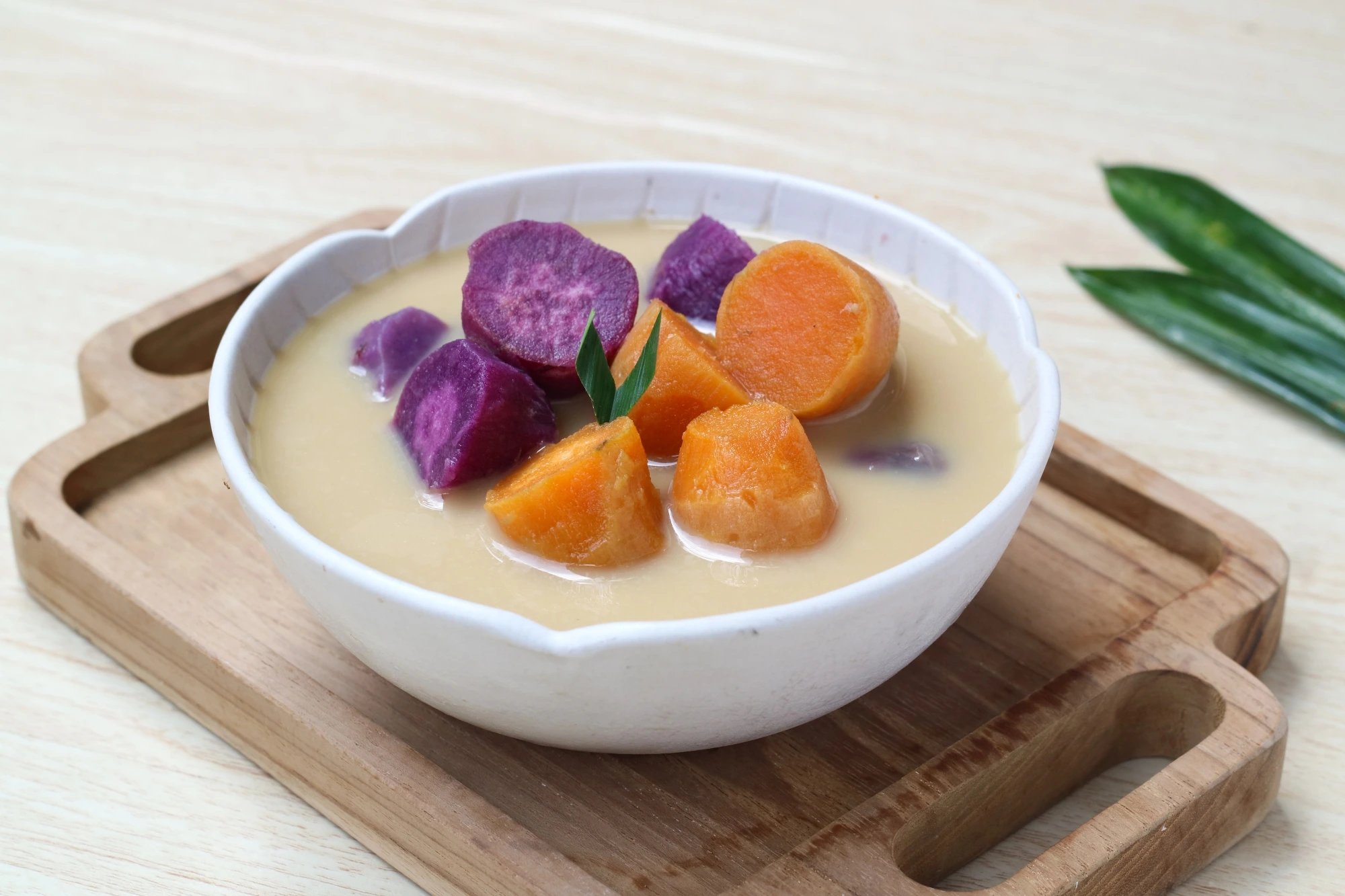
 When it comes to kolak, it’s always closely tied to warmth and nostalgia. This sweet dish has a special place in many hearts, whether during Ramadan, family gatherings, or as a comforting afternoon snack at home. The combination of sweetness, savory notes, and warm broth makes kolak easy to love. But if you often make kolak yourself, you’ve probably noticed that the results can vary, even when the ingredients look similar.
One of the main reasons lies in the type of sweet potato used. Not all sweet potatoes are suitable for kolak. Some become soft quickly but fall apart easily, while others hold their shape well but don’t release much flavor. Choosing the wrong type can result in kolak that’s too mushy, lacks balance in taste, or simply doesn’t look as appealing.
To make sure your kolak turns out just right every time, let’s take a closer look at the types of sweet potatoes that work best for kolak. Read on till the end!
Sweet Potatoes That Are Ideal for Kolak
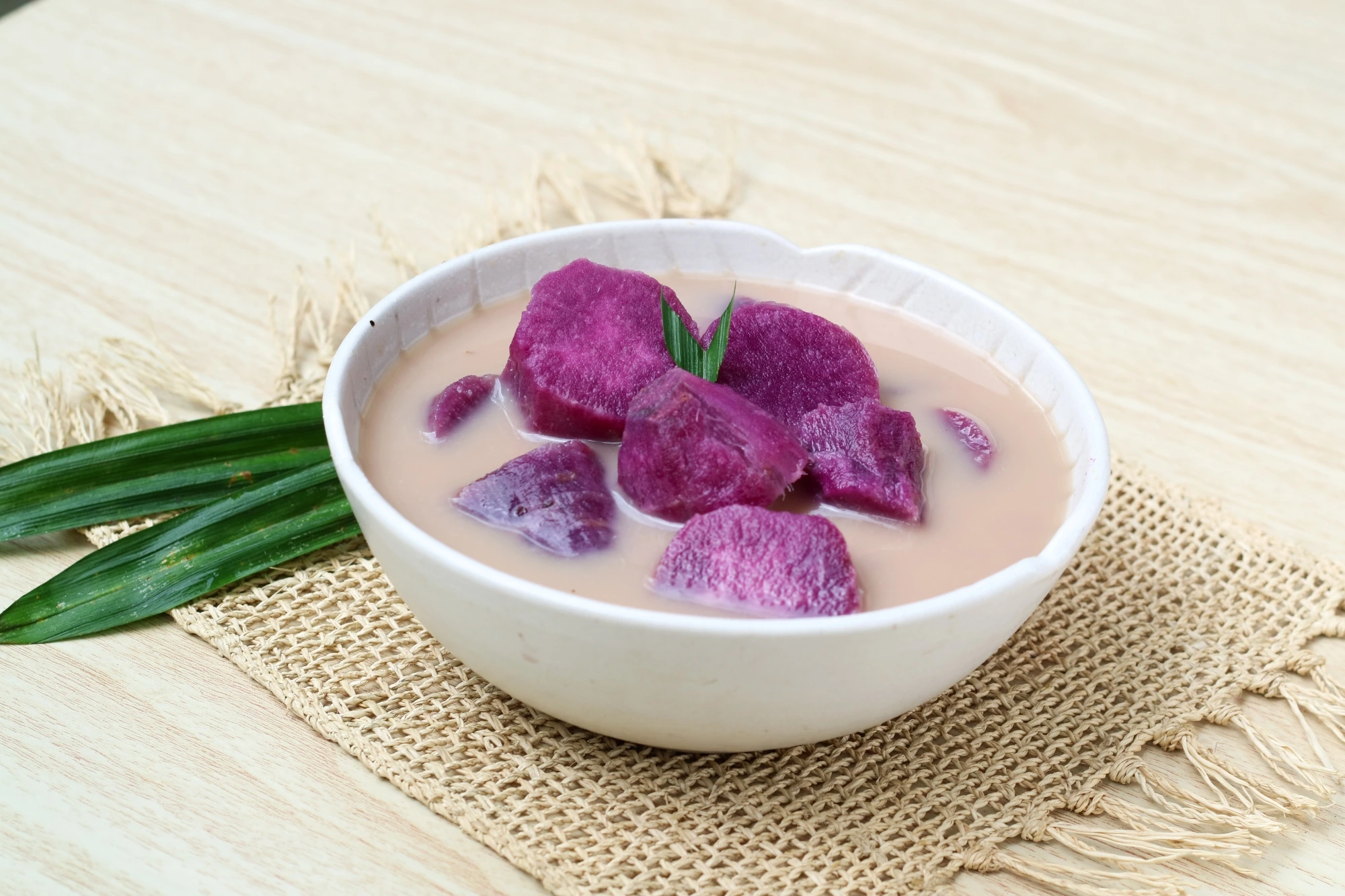 To get the perfect texture and flavor, choosing the right type of sweet potato is essential. Here are some of the most commonly used varieties that are proven to work well for kolak.
1. Yellow Sweet Potato
Yellow sweet potato is one of the safest choices for kolak. It becomes tender when cooked but doesn’t fall apart easily. Its natural sweetness is well-balanced, so you don’t need to add too much sugar. When simmered in kolak broth, yellow sweet potato absorbs the flavors nicely while keeping its shape.
This type is perfect for classic kolak, banana-and-sweet-potato kolak, or mixed kolak. It’s also easy to find at local markets, making it very practical to keep at home.
2. Purple Sweet Potato
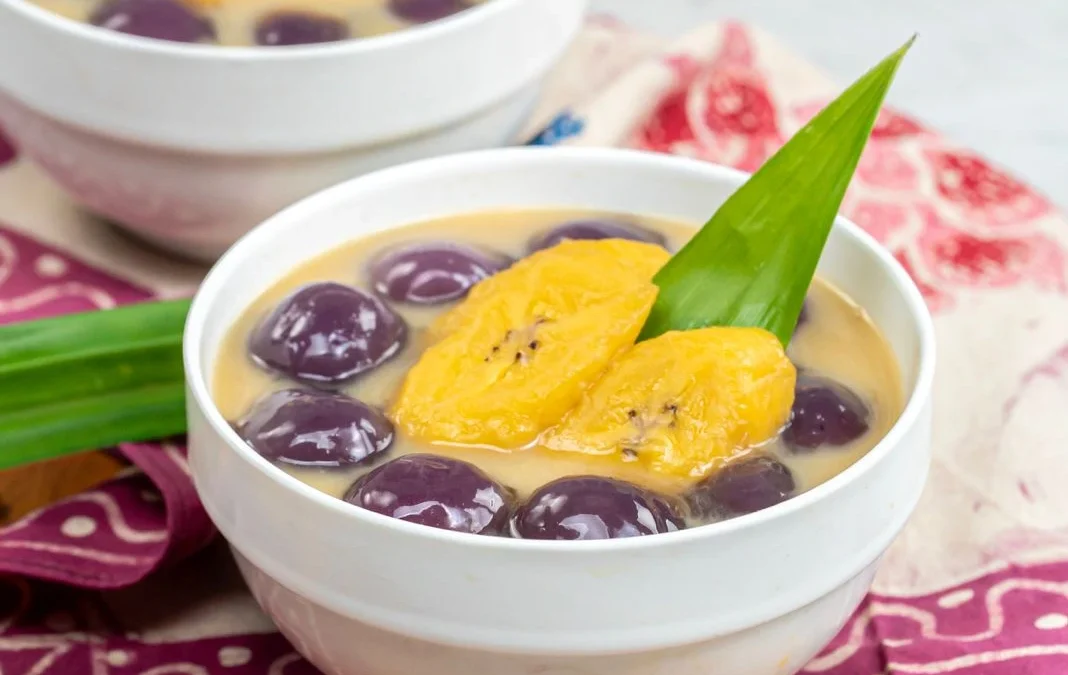
If you want a more visually appealing kolak, purple sweet potato is a great option. Its vibrant color makes the dish look more tempting, especially when served in a clear bowl. Purple sweet potato has a firmer texture, so it stays intact even when cooked a bit longer.
The flavor isn’t as sweet as yellow sweet potato, but that actually helps create a more balanced taste and prevents the kolak from feeling overly rich.
3. Cilembu Sweet Potato
Cilembu sweet potato is famous for its distinctive natural sweetness. When cooked, it develops a rich, caramel-like flavor without the need for much added sugar. That’s why it’s often chosen for kolak that highlights the natural sweetness of its main ingredients.
However, its texture tends to be softer. To prevent it from breaking apart, it’s best to cut it into larger chunks and cook it over low heat.
4. White Sweet Potato
If you prefer kolak that isn’t overly sweet, white sweet potato can be a good alternative. It has a more neutral flavor and a denser texture. This type works well when combined with sweeter ingredients like bananas or pumpkin, helping the overall flavor stay balanced and not bland.
White sweet potato also holds up well during longer cooking times, making it suitable for kolak that’s served over a longer period.
5. Honey Sweet Potato
Honey sweet potato has a gentle sweetness and a soft texture. When cooked into kolak, its flavor blends smoothly into the broth without overpowering it. Its bright color also makes the dish look more appetizing.
This type is ideal for simple kolak recipes with minimal ingredients but still delivers great taste.
Read more: Coconut Milk Alternatives for Kolak That Stay Creamy and Gentle on the Stomach
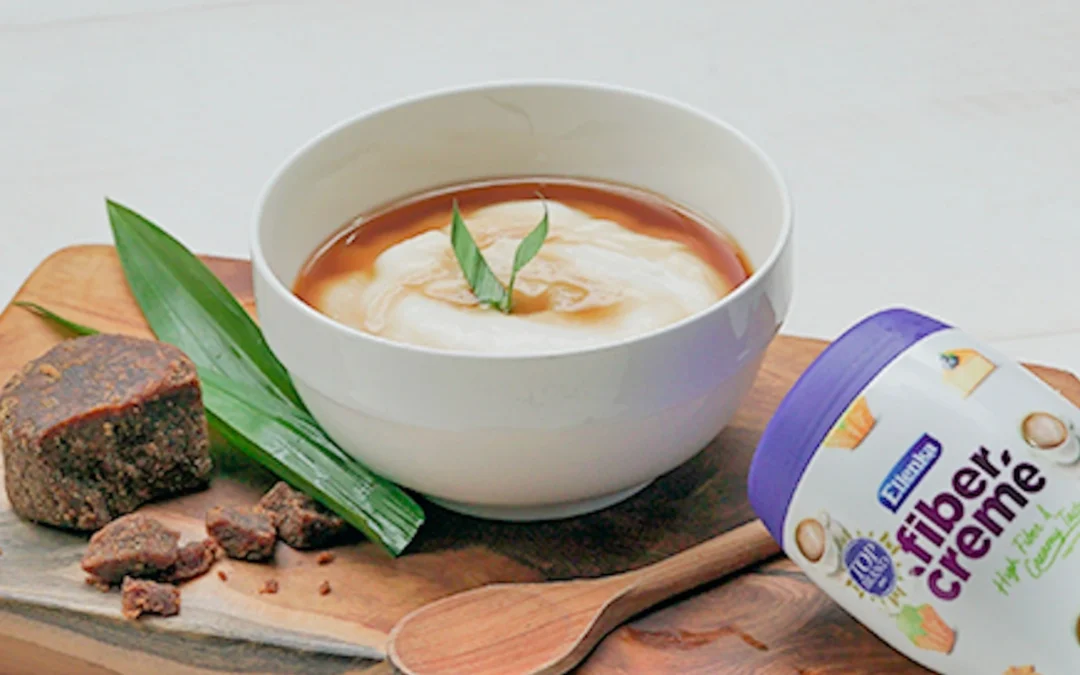
Make Kolak Creamier and Still Light with FiberCreme
Choosing the right sweet potato is important, but the broth plays just as big a role. Kolak is typically known for its rich and creamy coconut milk base. Unfortunately, for some people, thick coconut milk can feel too heavy when consumed frequently.
As an alternative, you can use FiberCreme to keep your kolak creamy without the heavy feeling. FiberCreme provides a smooth, savory creaminess that’s gentler on the stomach. Plus, it comes with added benefits:
- High in fiber
- Low in sugar
- 0 mg cholesterol
This way, you can still enjoy your favorite kolak with a more comfortable and balanced feel. There are plenty more kolak variations and sweet snack ideas you can explore with FiberCreme. Let’s get inspired, follow @FiberCreme_TV on Instagram and subscribe to the Ellenka YouTube channel for more recipe ideas!

0 Comments