

Curry is well known for its rich spices and creamy texture. Whether it’s chicken curry, beef curry, or vegetable curry, coconut milk is often the go-to ingredient for creating a savory flavor and a thick, comfortingsauce.
However, coconut milk isn’t the only way to make a delicious curry. Sometimes you may not have coconut milk available at home, or perhaps you want to try a more practical alternative without sacrificing thetaste and texture that make curry so enjoyable.
Fortunately, there are several ingredients that can be used as substitutes for coconut milk in curry. They can still deliver the creamy and savory qualities that curry lovers appreciate while offering their ownunique characteristics.
If you’re curious, here are some options worth exploring.
Why Do People Look for Coconut Milk Substitutes in Curry?

Coconut milk gives curry its signature richness. However, there are several reasons why many people seek alternatives.
One common reason is convenience. Fresh coconut milk has a relatively short shelf life and usually needs to be used soon after opening or preparation.
Others may simply want to experiment with different textures and flavors while still maintaining the creamy quality that is typically associated with curry.
For food businesses, alternative ingredients can also help simplify storage and maintain consistency from one batch to another.
Coconut Milk Substitutes for Curry
Several ingredients can replace coconut milk in curry recipes. Each option offers slightly different results, depending on the flavor and texture you’re looking for.
1. FiberCreme
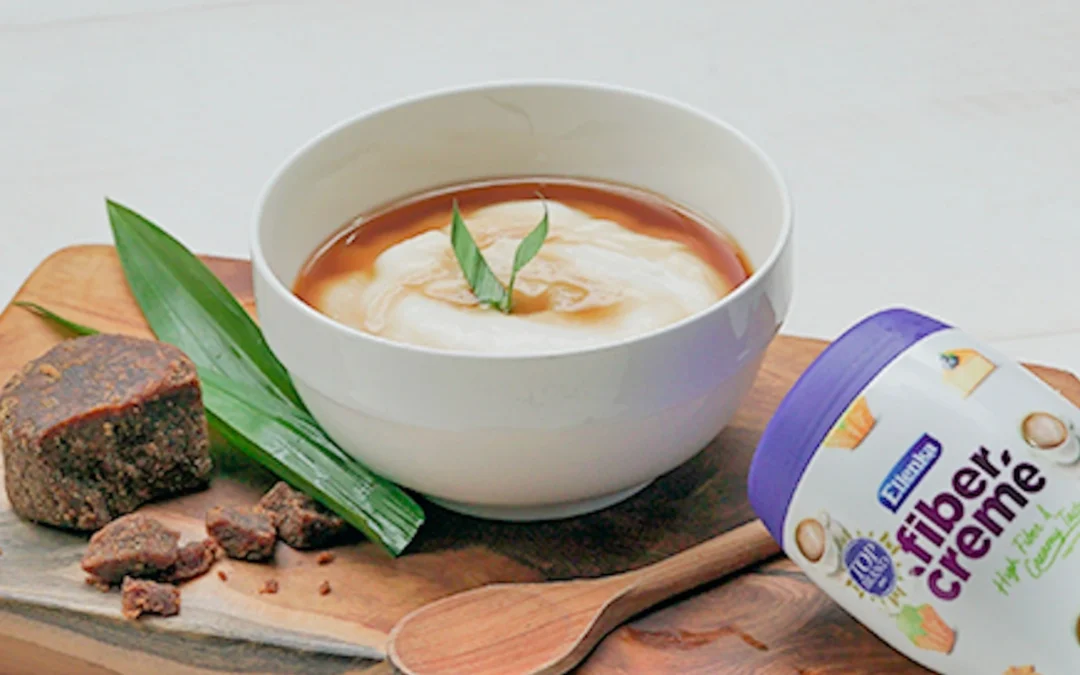
One of the most practical alternatives is FiberCreme.
FiberCreme can be used to create a curry sauce that remains creamy and savory without relying on coconut milk. It is easy to use—simply dissolve FiberCreme in water according to your desired consistencyand add it to the dish.
Because it has a relatively neutral taste, FiberCreme allows the spices and seasonings in the curry to remain the star of the dish.
In addition, FiberCreme is high in fiber, low in sugar, lactose-free, gluten-free, and contains 0 mg cholesterol.
2. Evaporated Milk
Evaporated milk is another popular substitute for coconut milk in creamy dishes.
Its thicker consistency compared to regular milk helps create a rich texture in curry. However, it introduces a slightly milkier flavor that can alter the traditional taste profile.
This option works well if you want a curry with a smoother and milder character.
3. Greek Yogurt
Some modern curry recipes use Greek yogurt to add creaminess.
Besides creating a richer texture, Greek yogurt contributes a subtle tangy flavor that can add complexity to the dish.
This ingredient is particularly common in certain Indian-style curries.
4. Full-Cream Milk
Full-cream milk can also be used when coconut milk is unavailable.
Although it does not replicate the exact flavor of coconut milk, it helps create a smooth and creamy sauce that complements curry spices.
For a richer result, full-cream milk is often combined with ingredients such as FiberCreme.
5. Non-Dairy Creamer
Non-dairy creamers are another convenient option.
They blend easily into sauces and can help create a creamy consistency. Since every product has a slightly different flavor profile, the final result may vary depending on the brand used.
Tips for Making Delicious Curry Without Coconut Milk
Using a substitute doesn’t mean your curry will lose its appeal. Here are a few ways to keep it flavorful and satisfying.
Use Fresh Spices
The true heart of a great curry lies in its spices.
Ingredients such as turmeric, coriander, cumin, garlic, shallots, and ginger should be fresh and aromatic to maximize flavor.
Cook the Spice Paste Thoroughly
Before adding liquid ingredients, make sure the curry paste or spice mixture is cooked until fragrant.
This process helps release the essential oils in the spices and creates a deeper, richer flavor.
Adjust the Thickness of the Sauce
Each coconut milk substitute has a different consistency.
Be sure to adjust the amount of liquid in the recipe to achieve a curry sauce that remains rich and creamy rather than watery.
Add Your Favorite Proteins and Vegetables
Curry pairs well with a wide variety of ingredients, including chicken, beef, shrimp, potatoes, carrots, and green beans.
The right combination can turn a simple curry into a hearty and satisfying meal.
Suitable for Many Types of Curry
One of the advantages of coconut milk substitutes is their versatility. They can be used in:
- Chicken curry
- Beef curry
- Lamb curry
- Seafood curry
- Tofu and tempeh curry
- Vegetable curry
- Potato curry
With the right proportions, the result can still be rich, flavorful, and comforting.
Read more: Daily Meal Plan for a Month: So You Never Run Out of Cooking Ideas
Make Your Curry Creamier with FiberCreme
Now you know several coconut milk substitutes for curry that you can try at home. From evaporated milk and Greek yogurt to FiberCreme, each option offers its own benefits and can be adjusted to suit yourcooking style.
If you want a curry that remains creamy, savory, and practical to prepare, FiberCreme is worth considering. It is easy to use and works well in a variety of sauce-based dishes, including curries packed witharomatic spices.
With its high fiber content, low sugar content, lactose-free and gluten-free formulation, and 0 mg cholesterol, FiberCreme helps create a rich and creamy texture for all kinds of favorite recipes.
For more recipe inspiration, follow FiberCreme on Instagram at @FiberCreme_TV and visit the Ellenka Official YouTube channel.


0 Comments