
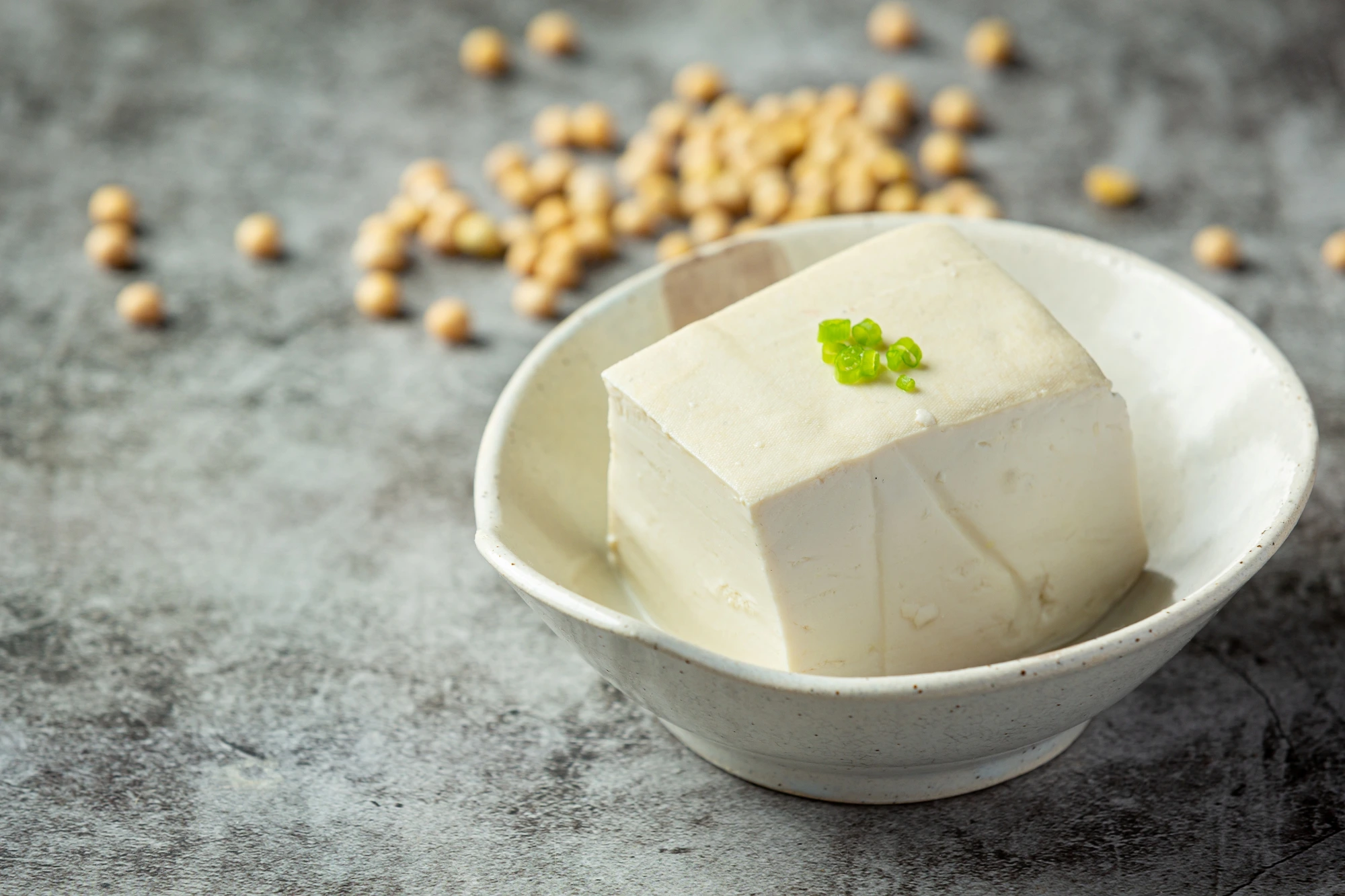
 Tofu is often a kitchen staple because it’s affordable, easy to prepare, and works well with many dishes. Fried, stir-fried, cooked in soups, or turned into snacks, tofu is almost always reliable. However, behind its simplicity, tofu is actually a food ingredient that spoils quickly if not stored properly.
The problem is, tofu that has started to spoil doesn’t always look obviously bad. At a glance, it may still appear normal, but if it’s cooked and consumed, it can have negative effects on your health. That’s why it’s important to recognize the signs of spoiled tofu so you can be more cautious before cooking it.
Why Does Tofu Spoil Easily?
Tofu is made from soybeans and contains a fairly high amount of water. This moisture makes tofu soft and tender, but it also makes it easy for bacteria to grow. This risk increases if tofu is left at room temperature for too long or if the soaking water is not changed regularly.
Without realizing it, tofu can start to spoil within just one to two days, especially fresh tofu without preservatives. That’s why identifying the signs of spoiled tofu is an important step before turning it into your family’s favorite dishes.
Signs of Spoiled Tofu You Should Pay Attention To
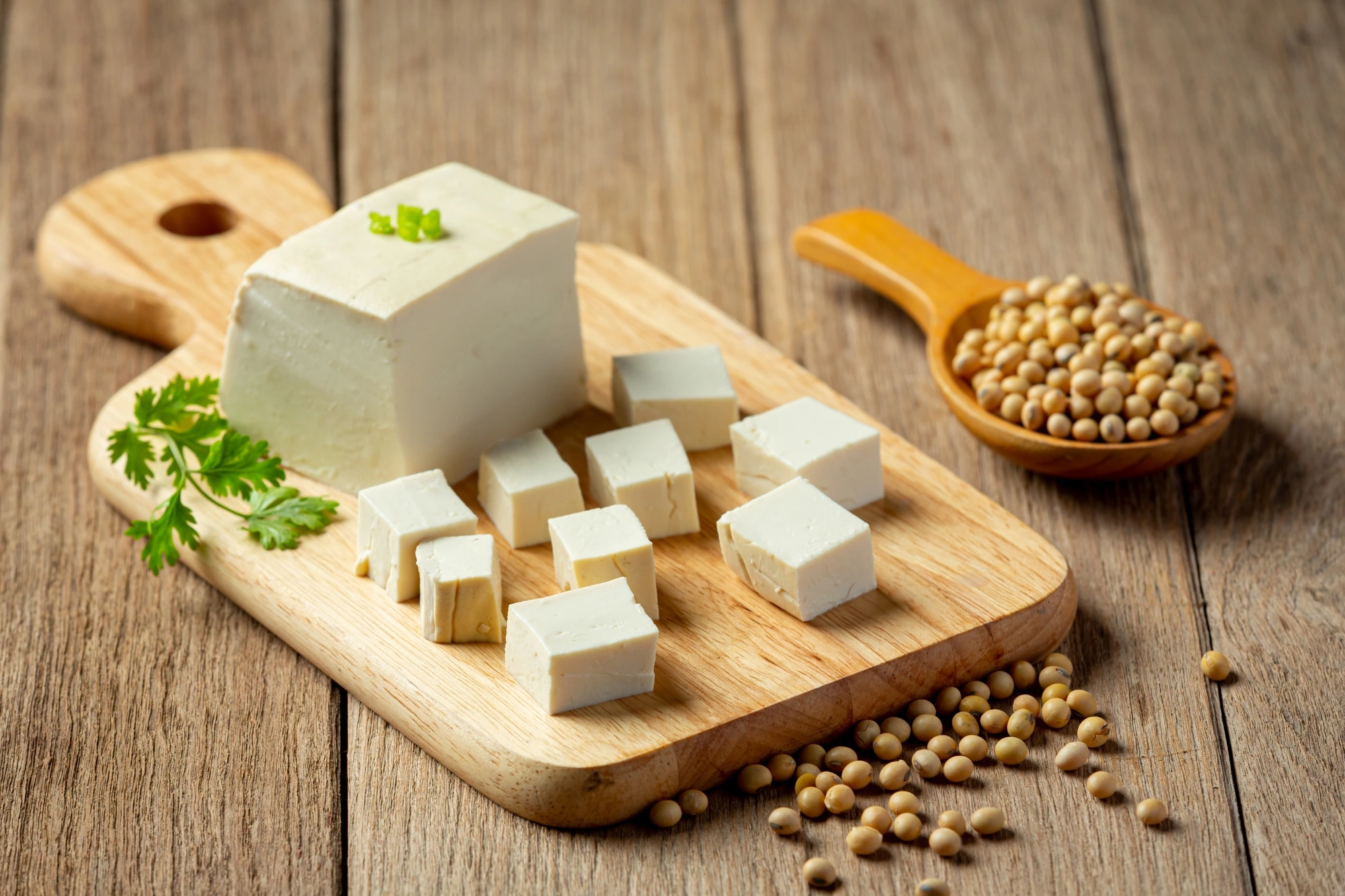 To avoid choosing or cooking tofu incorrectly, let’s take a closer look at the common signs of spoiled tofu below.
1. Sour or Strong Odor
The easiest sign to notice is the smell. Fresh tofu usually has a neutral aroma or a mild soybean scent. If it smells sour, sharp, or unpleasant, it’s best to throw it away immediately. This odor indicates that uncontrolled natural fermentation has occurred.
2. Overly Soft Texture and Easily Crumbles
Tofu is naturally soft, but spoiled tofu feels much softer and more fragile. When touched, it may break apart easily or feel excessively slippery. This indicates that the tofu’s structure has been damaged by microbial growth.
3. Slimy Surface
If the surface of the tofu feels slippery or slimy, it’s a strong sign that the tofu has begun to spoil. This slime can appear even when the tofu still looks white. Many people are misled because it looks “fine,” even though the texture has already changed.
4. Sour or Bitter Taste
If you’re unsure, you can lightly taste a small amount on the tip of your tongue (without swallowing it). Spoiled tofu often tastes sour, bitter, or unpleasant. Fresh tofu should have a mild, clean, and slightly savory flavor.
5. Dull or Yellowish Color Changes
Fresh tofu has a bright white color. If it starts to look dull, grayish, or unevenly yellowish, it may no longer be fresh. Color changes often come along with changes in smell and texture.
6. Cloudy and Foul-Smelling Soaking Water
If you store tofu in water, pay attention to the soaking water. Cloudy, foamy, or sour-smelling water indicates that the tofu has begun to spoil, even if the tofu itself still looks intact.
7. Breaks Apart Easily When Cooked
Spoiled tofu often falls apart quickly when fried or cooked, even before it’s fully done. This happens because the protein structure has already broken down and can no longer hold its shape when exposed to heat.
The Effects of Consuming Spoiled Tofu
Eating spoiled tofu can cause digestive issues such as nausea, vomiting, diarrhea, and stomach pain. In certain cases especially for children and the elderly, the effects can be more serious. That’s why it’s better to discard questionable tofu than to take unnecessary risks.
Tips for Storing Tofu to Make It Last Longer
To prevent tofu from spoiling quickly, store it in a closed container filled with clean water and keep it in the refrigerator. Change the soaking water daily to maintain freshness. Avoid leaving tofu at room temperature for too long, especially in hot weather.
Read more: Signs of Spoiled Tempeh You Need to Know Before Cooking
Turn Tofu into Creamy, Safer, and More Delicious Dishes with FiberCreme!
Now that you know the signs of spoiled tofu, you can feel more confident when choosing and preparing tofu in your kitchen. Fresh tofu can be transformed into a variety of delicious dishes, from simple stir-fries to comforting creamy soups.
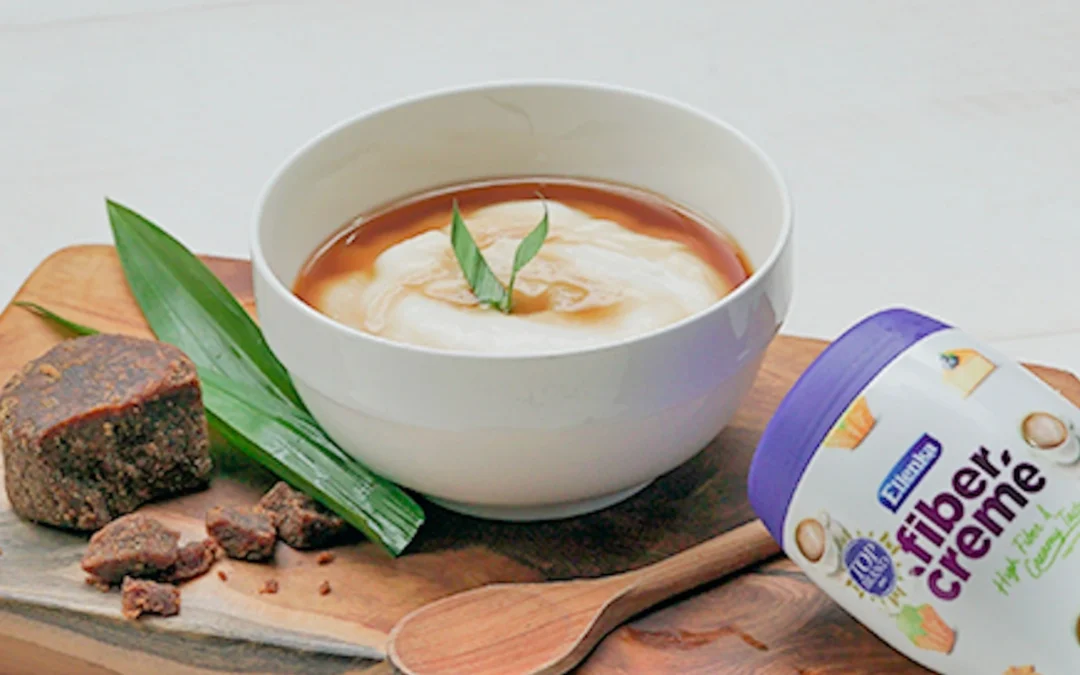
If you want to make tofu-based dishes with savory and comforting creamy broth, try using FiberCreme as an alternative to coconut milk. FiberCreme dissolves easily, has a rich and creamy taste, and is high in fiber, low in sugar, and contains 0 mg cholesterol. It’s perfect for tofu dishes like vegetable lodeh, curry, or tofu soup, so you can enjoy creamy meals without worry.
Let’s explore more tofu recipes and everyday home-cooked dishes with FiberCreme! Find more recipe inspiration on Instagram @FiberCreme_TV and the Ellenka YouTube channel.


0 Comments