
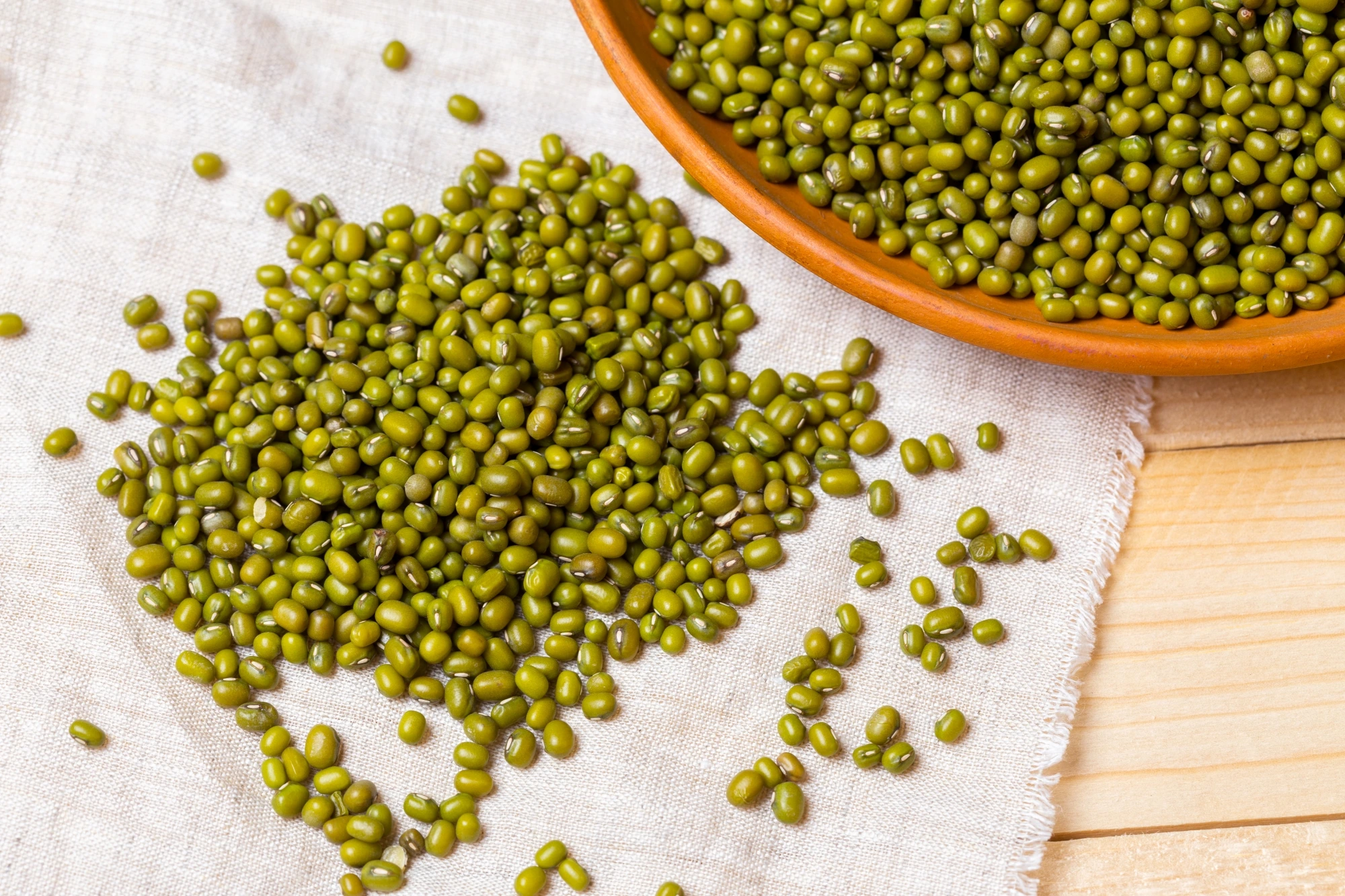
 Mung beans are known as a versatile ingredient that can be turned into many delicious dishes, from warm porridge and pastry fillings to creamy, comforting drinks. But before cooking, sometimes you need to peel the mung beans’ skin first so the final result turns out smoother and softer.
The tricky part is that mung bean skins are small, light, and tend to stick. If you peel them carelessly, the beans might break and lose their shape. So, to help you do it right, here’s how to peel mung beans properly without breaking them!
1. Choose Fresh and Dry Mung Beans
This first step is super important. Pick mung beans that have a bright green color, clean surface, and are free from mold. Old or damp beans usually have skins that are harder to remove because they stick more tightly to the seed.
If you’re unsure, you can dry the mung beans under the sun for a while to remove excess moisture. This will make the skins easier to come off during soaking later.
2. Soak the Mung Beans in Warm Water
Put the mung beans in a large bowl, then pour in warm water (not hot, as it can partially cook the beans). Let them sit for about 1–2 hours.
During this time, the skins will start to expand and gradually separate from the seeds. If you notice the skins floating on the water’s surface, that means the process is working well.
3. Rub Gently with Your Hands
After soaking, drain some of the water and gently rub the mung beans between your hands. This movement helps loosen the skins without damaging the seeds. Don’t rub too hard, just stir and massage them lightly.
Repeat this process a few times, adding clean water each time and removing the floating skins from the surface. Continue until most of the skins are gone and the water looks clearer.
4. Use a Sieve or Large Strainer
For a more practical method, you can use a large sieve or strainer with medium holes. Pour in the soaked mung beans, then gently rub them by hand on top of the sieve. The skins will separate and get washed away with the water, while the beans stay intact.
This method is very safe because it keeps the mung beans whole, unlike using a blender, which can easily crush and damage them.
5. Rinse and Drain Thoroughly
Once all the skins are removed, rinse the mung beans with clean water once or twice more to make sure no skins are left behind. Then drain them in a strainer until all the water is gone.
If you plan to use them right away for porridge or pastry fillings, you can go ahead and cook them. But if not, store the peeled mung beans in an airtight container and keep them in the refrigerator to stay fresh.
6. Dry Before Long-Term Storage
If you want to store peeled mung beans as stock, dry them first. You can sun-dry them for a bit or bake them in a low-temperature oven (around 100°C for 10–15 minutes). Once they’re completely dry, store them in a tightly sealed container. This method helps them last for several weeks without getting moldy.
Read more: 9 Modern Green Bean Creations You’ll Fall in Love With
Make Your Mung Bean Dishes Creamy and Healthy with FiberCreme!
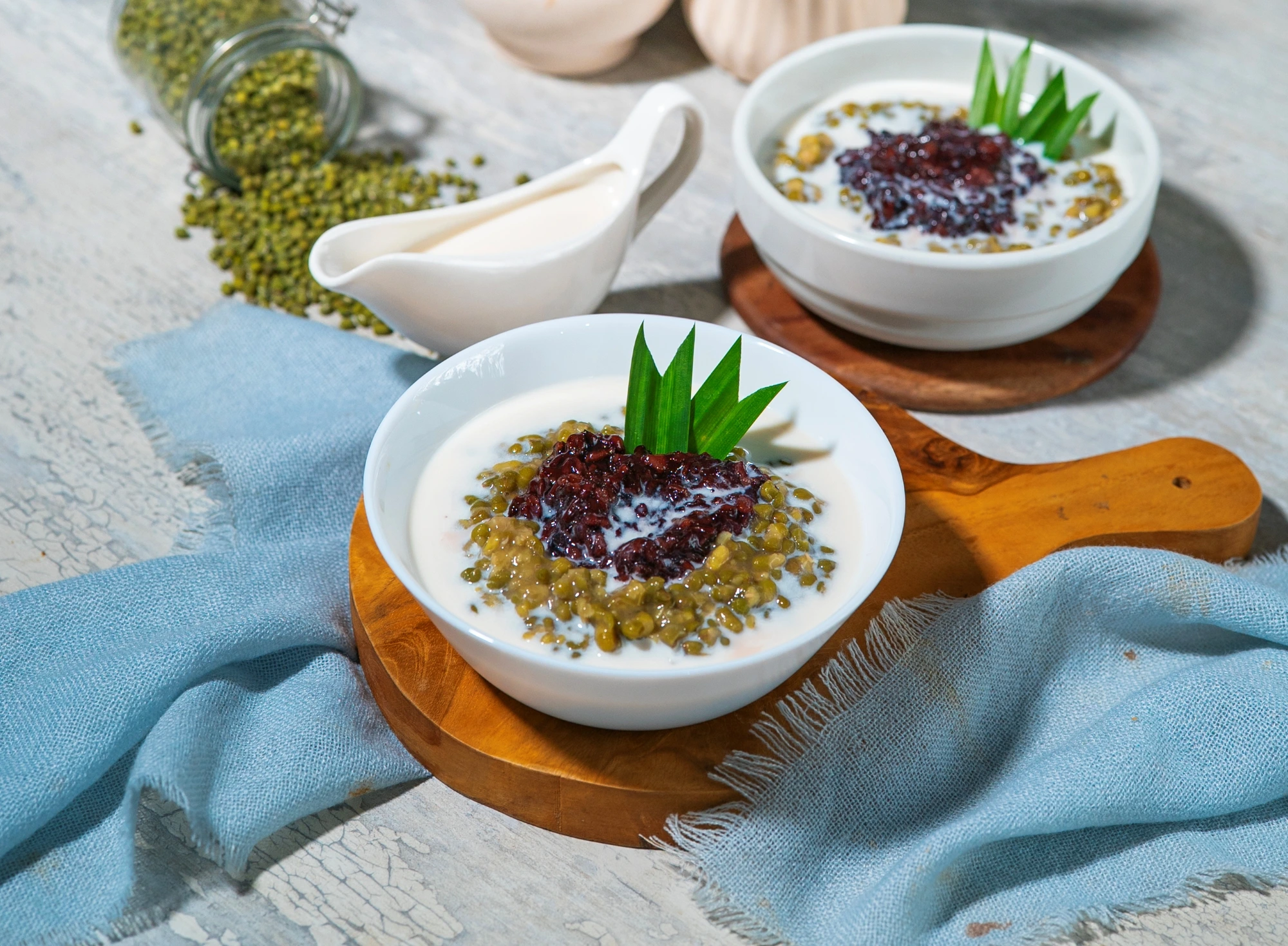 Now you know how to peel mung beans the right way without breaking them apart. Next, it’s time to get creative and turn them into all kinds of delicious treats, like classic mung bean porridge, refreshing iced mung bean drinks, or creamy, nourishing mung bean smoothies.
Looking to try something a little different with mung beans? Find plenty of recipe inspiration on Instagram @FiberCreme_TV or on the Ellenka YouTube channel.
Not only will your dishes taste great, you can also make your mung bean creations higher in fiber with FiberCreme. This versatile creamer works as a lactose-free, low-sugar substitute for coconut milk and regular milk, and contains 0 mg cholesterol. It’s perfect for anyone who wants to enjoy rich, savory flavors without worrying about excess fat or cholesterol.
Let’s explore more creamy and wholesome mung bean recipes together with FiberCreme!


0 Comments