
 Chia seeds and basil seeds are both part of the superfood family and are popular among those who care about healthy living. They’re small, easy to eat, and packed with benefits. But don’t be fooled, although they may look similar, they’re actually quite different in terms of origin, appearance, nutrition, and how they’re used in food and drinks.
Chia Seeds vs. Basil Seeds
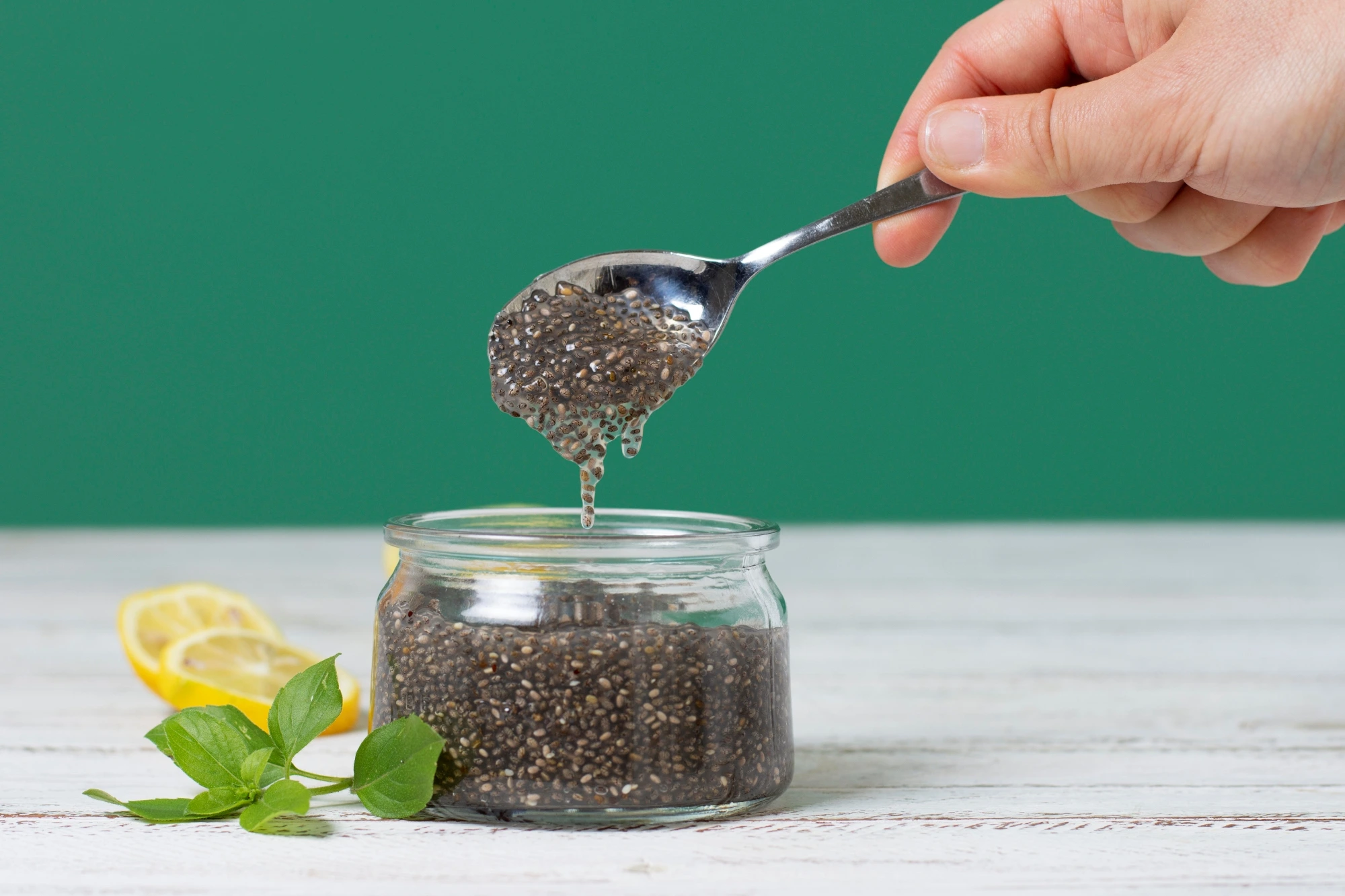 To help you choose the right one and get the most out of them, let’s dive into the key difference between chia seeds and basil seeds!
1. Origin
Chia seeds come from the Salvia hispanica plant, which is native to Central and South America. No wonder they were a staple food of the Aztec and Mayan civilizations thousands of years ago. In fact, they used chia seeds as a natural energy source during battles or long journeys.
Basil seeds, on the other hand, come from the Ocimum basilicum plant, more commonly known as basil. These seeds have long been used in traditional Asian medicine, including in Indonesia, India, and Thailand. Not only are they healthy, but they’re also a favorite addition to refreshing drinks.
2. Physical Appearance
At a glance, chia seeds and basil seeds might look alike, especially once soaked in water. But they actually have distinct physical traits. Chia seeds are gray, black, white, or sometimes brownish. They’re oval and flat, with a hard texture when dry. Once soaked, they develop a gel-like layer around them.
Basil seeds, meanwhile, are typically solid black, rounder, and swell up faster when soaked. Their texture becomes soft and slippery, with a clear jelly-like layer that appears in seconds.
3. Nutritional Content
Both seeds are packed with nutrients, but there are some differences worth noting depending on your health goals.
Chia seeds contain about 34 grams of fiber per 100 grams. In addition to being high in fiber, they’re rich in protein and essential minerals like calcium, phosphorus, and magnesium. They’re also a great source of omega-3 fatty acids (ALA) and antioxidants that help fight free radicals in the body.
Basil seeds are also fiber-rich, with around 23 grams of fiber per 100 grams. They contain various vitamins, including A, C, and K, as well as minerals such as iron, potassium, and copper. Basil seeds also offer antioxidants and natural anti-inflammatory properties that support overall health.
So, if you’re looking for a plant-based source of omega-3, chia seeds might be your best bet. But if you want something refreshing and full of vitamins, basil seeds are just as amazing!
4. How to Enjoy Them
Chia seeds have a neutral taste, making them easy to mix into different recipes without altering the flavor. You can stir them into smoothies, overnight oats, yogurt, or salad. They even work as a vegan egg substitute, just mix 1 tablespoon of chia seeds with 3 tablespoons of water, let it sit for a few minutes until it thickens, and you’ve got one egg replacement.
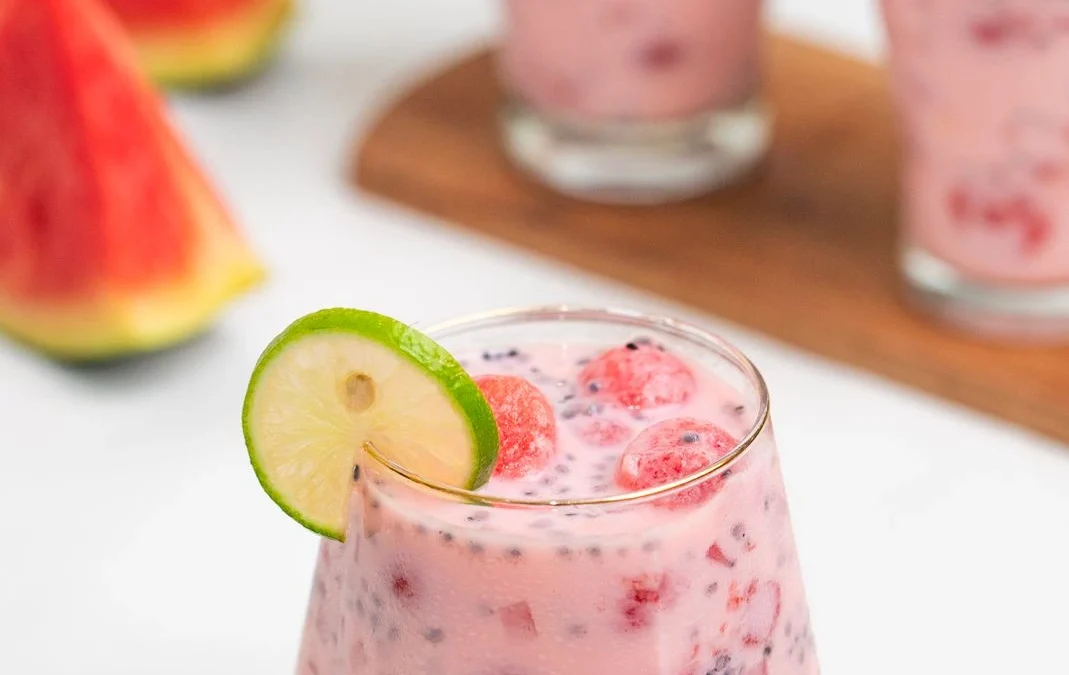
Basil seeds are more commonly found in refreshing Indonesian-style drinks like fruit cocktails (es buah), mixed ice desserts (es campur), or sweet syrups. They taste mild and not overpowering, their texture is unique, and they make drinks more refreshing. Thanks to their distinct aroma, basil seeds also add a special twist to the overall flavor.
5. Health Benefits
Both of these super seeds offer impressive health benefits when consumed regularly and in the right amount. Chia seeds are well-known for their omega-3 content, which supports heart health. They also help control blood sugar levels, increase satiety, perfect for weight management, and promote strong bones and muscles thanks to their mineral content.
Basil seeds, on the other hand, have equally great benefits. They help cool the body and ease internal heat. Basil seeds also support digestion, naturally reduce inflammation, and add essential vitamins to boost your immune system.
Storage Tips to Keep Them Fresh
To keep your chia and basil seeds fresh, store them in a cool, dry place away from direct sunlight. Use an airtight container to maintain their quality and prevent moisture or mold.
When stored properly, both seeds can last for several months without losing their nutritional value.
Read More: How to Soak Basil Seeds So They Expand Quickly and Are Ready to Use
Create Healthy & Creamy Drinks with FiberCreme!
Now that you know the differences between chia seeds and basil seeds, from their shape, texture, and flavor to their nutritional value. It’s clear that both are great additions to your daily meals and drinks.
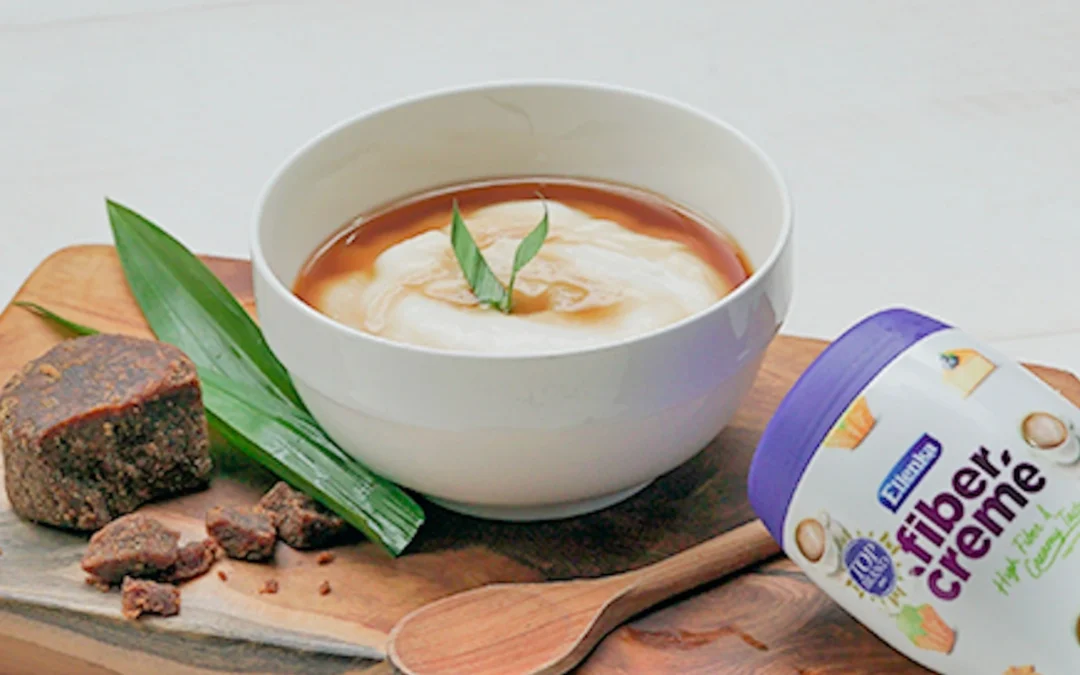
Want to make overnight oats with chia seeds? Or a refreshing fruit drink with basil seeds? Don’t forget to add FiberCreme for a healthier creamy twist! Boasting high in fiber, low in sugar, and 0mg colesterol, the multi-purpose powder ingredient is perfect for any guilt-free desserts and beverages.
Let’s explore more healthy and delicious creations with chia seeds, basil seeds, and FiberCreme! Get inspired on Instagram @FiberCreme_TV and on Ellenka’s YouTube channel!

0 Comments