
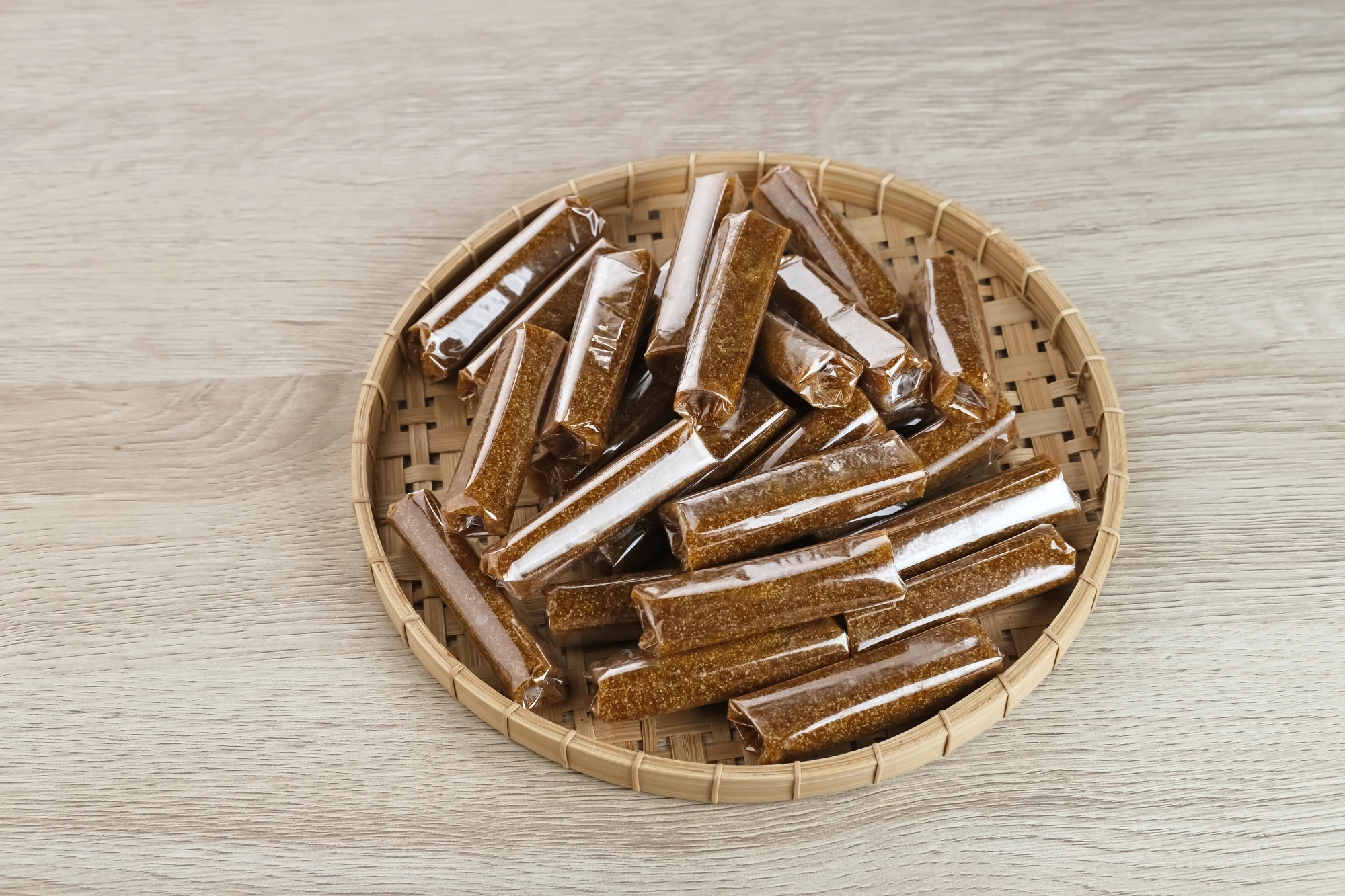
 If you’re a fan of traditional Indonesian snacks, you’re probably familiar with dodol and jenang. Both are sweet, chewy in texture, and often served at special events or given as regional souvenirs. But did you know that dodol and jenang are actually different? Not just the names, but they’re also different when it comes to their history and how they’re made. So, to avoid mixing them up again, let’s explore the differences between dodol and jenang in this article, from their origins to their unique flavors!
Differences Between Dodol and Jenang
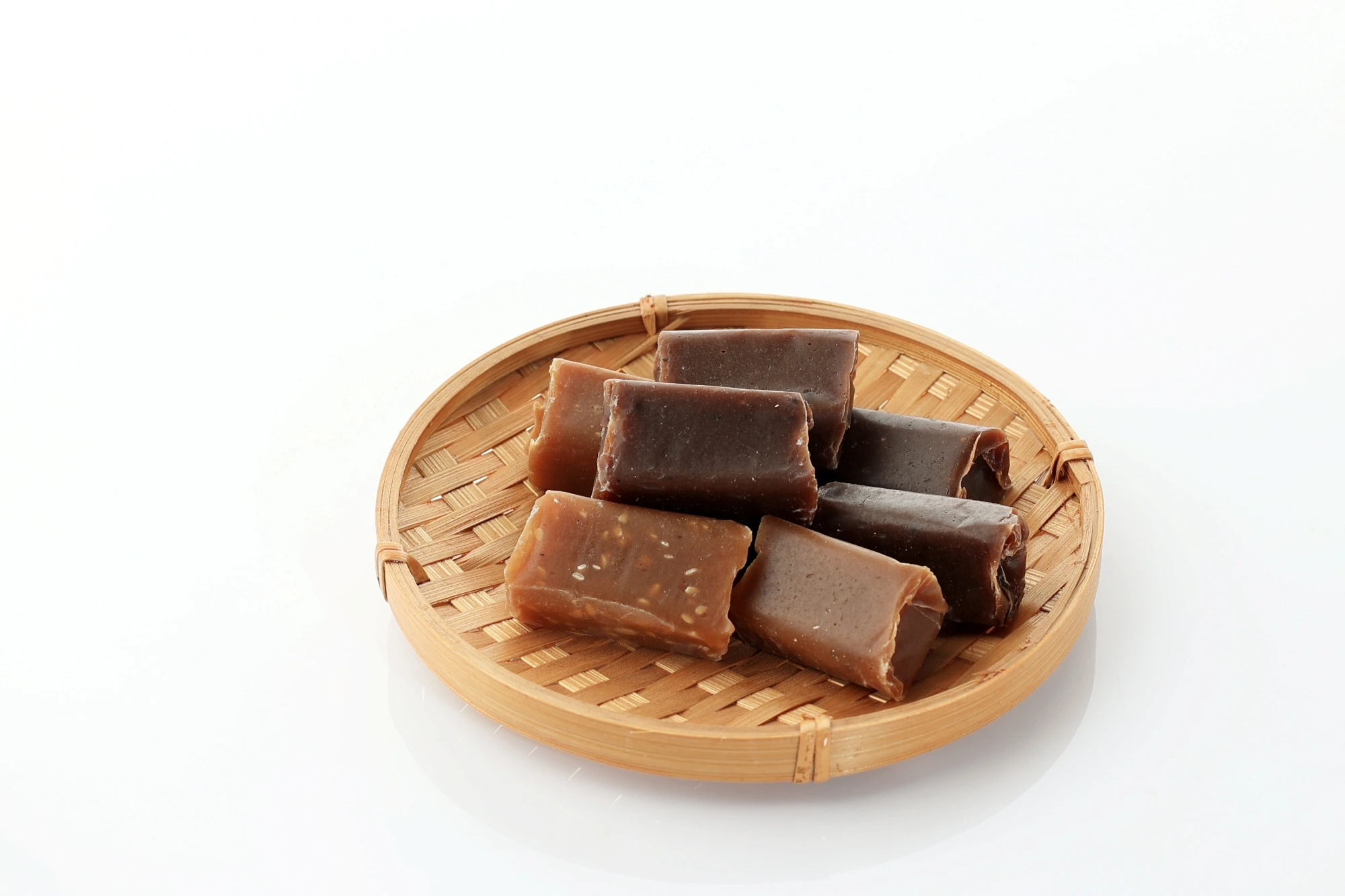 Here are some key aspects that distinguish dodol from jenang, from their historical roots to their unique flavors.
1. Origins and History
Although both are part of traditional Indonesian cuisine, dodol and jenang come from different regions. Dodol is widely known to originate from Garut, West Java, and is famously referred to as dodol Garut. On the other hand, jenang is more closely associated with Central and East Java, with jenang Kudus being one of the most well-known varieties.
Historically, dodol is believed to be part of Malay culture that has existed for centuries and can also be found across Southeast Asia, including in Malaysia and the Philippines. Meanwhile, jenang has strong roots in Javanese culture and is often served during traditional ceremonies such as selamatan and weddings.
2. Main Ingredients
The differences between dodol and jenang are also evident in their main ingredients. Dodol is typically made from a mixture of glutinous rice flour, coconut milk, and palm sugar, and sometimes includes additions like durian, chocolate, or other flavors.
Jenang, while also made with glutinous rice flour and coconut milk, may include rice flour or starch depending on the type. It is generally thicker and denser, and often uses natural colorings such as pandan leaves to enhance its visual appeal.
3. Cooking Process
In terms of preparation, both dodol and jenang require a long cooking process with constant stirring to prevent burning and to achieve the right consistency.
However, making dodol typically takes more time and requires higher heat to reach its signature chewy texture. It is cooked in large woks over medium heat until thickened and moldable. In contrast, jenang is usually easier to shape and less sticky when done, though it still requires continuous stirring throughout the process.
4. Texture and Taste
At a glance, dodol and jenang may look similar. But when it comes to texture and taste, the differences become clearer. Dodol has a chewy and dense texture with a rich, sweet, and slightly sticky flavor.
Jenang, on the other hand, is softer and slightly more tender, though still thick. Its sweetness is usually milder and often adapted to the additional ingredients used, such as mung beans or sesame seeds, depending on the variety.
Read More: 7 Modern Risoles Filling Ideas That Are Addictive, A Must-Try!
Make Dodol and Jenang Healthier? Try Using FiberCreme!
Although they look similar, the differences between dodol and jenang become clearer once you know their origins, ingredients, and unique flavors. Both reflect the richness of Indonesian culinary heritage that’s truly worth celebrating.
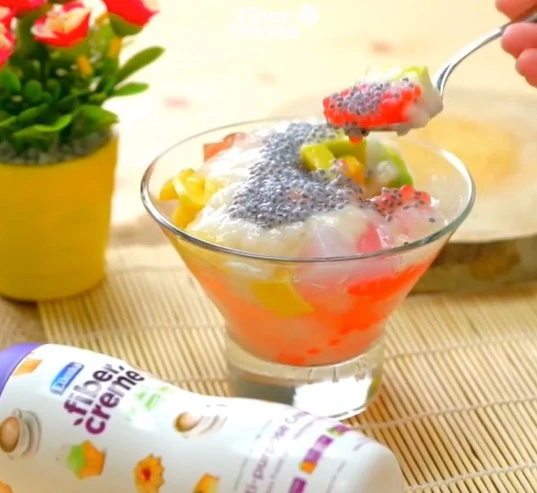
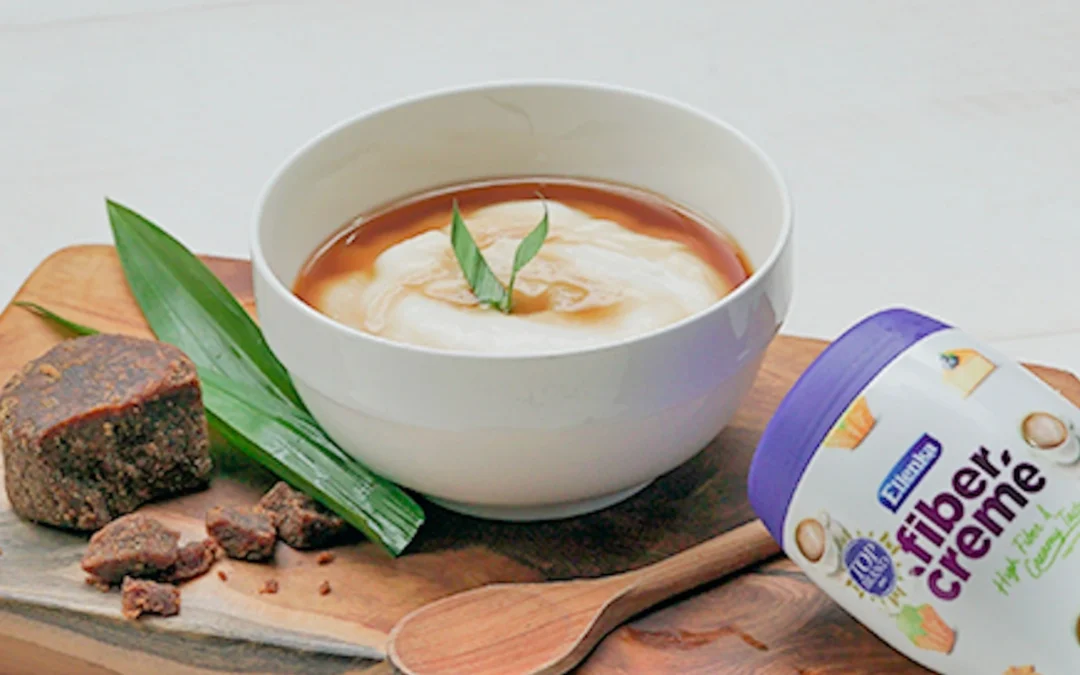
If you’re interested in making them at home, you can definitely create a healthier version without sacrificing taste. One way is by replacing coconut milk with FiberCreme. This multipurpose powder can be an alternative to coconut milk and dairy milk that is high in fiber, but still creamy and tasty, perfect for making dodol or jenang dough!
Let’s start exploring healthier traditional recipes with FiberCreme! Find more creative ideas on Instagram @FiberCreme_TV and the Ellenka YouTube channel. Who knows, your homemade dodol or jenang might just become the new favorite in your family!
0 Comments