
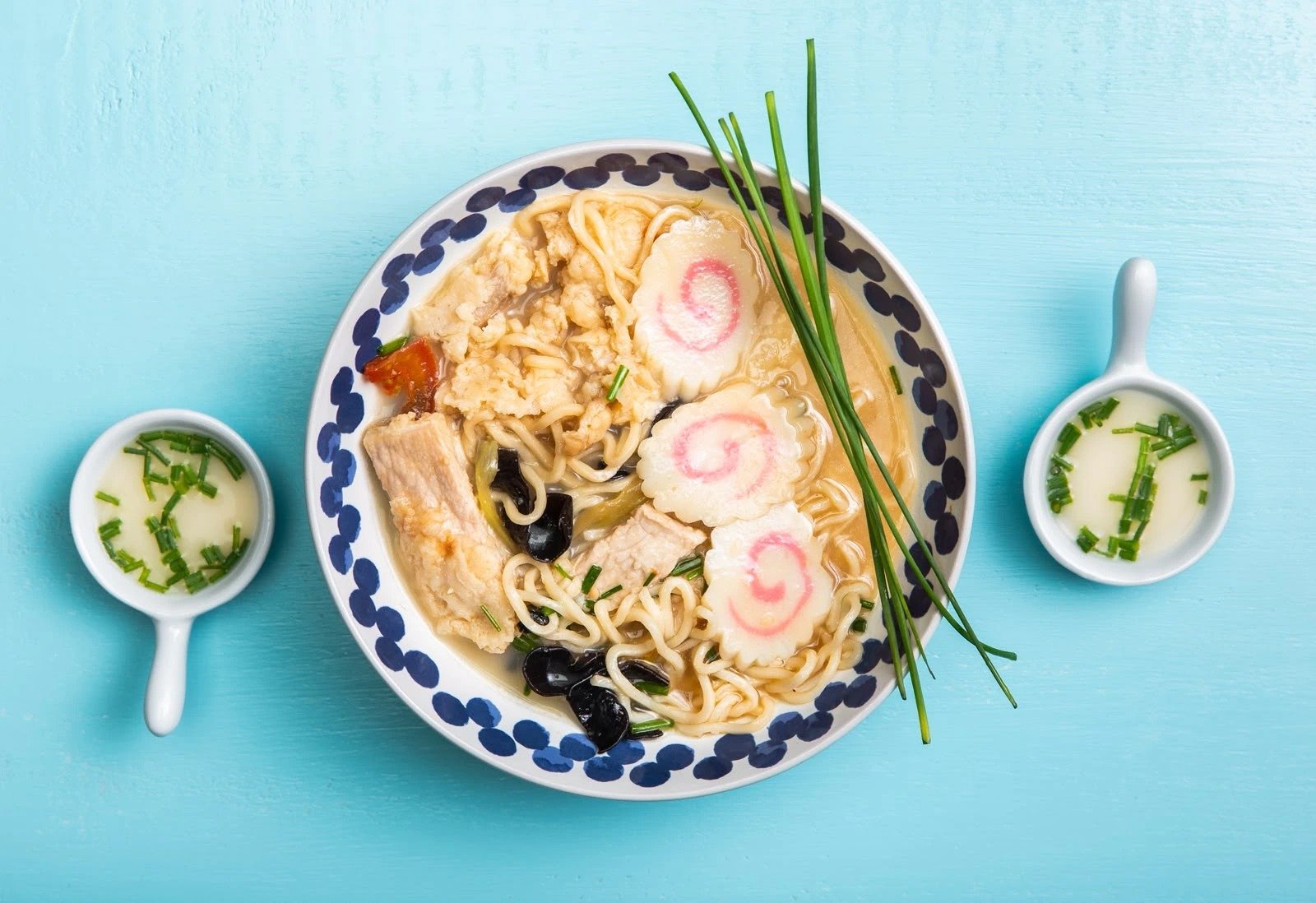
If you enjoy eating ramen, you’ve probably seen miso and shoyu listed as broth options on the menu. At first glance, they may look quite similar. Both have a brownish color, both are savory, and both are popular choices among ramen lovers.
But once you take a sip, the difference becomes immediately noticeable.
Some people always choose miso because they love a richer, bolder broth. Others remain loyal to shoyu because it tastes lighter and doesn’t feel too heavy on the palate. Neither one is better than the other, itall comes down to personal preference.
So, before randomly choosing your next bowl of ramen, let’s take a closer look at the differences between miso and shoyu broth.
What Is Miso Broth?
Miso broth is made using miso paste, a fermented seasoning that is typically produced from soybeans. In Japan, miso has been used for centuries and plays an important role in many traditional dishes, not just ramen.
Because it contains miso paste, this type of broth usually has a deeper color and a slightly cloudy appearance.
When you first sip miso broth, the rich savory flavor is usually the first thing you notice. But if you pay closer attention, there are also subtle sweet notes and a fermented aroma that make the flavor profile feelmore complex.
That’s one reason many people describe miso ramen as having a stronger and more satisfying taste.
It’s also a popular choice during colder weather because the broth feels hearty and comforting.
What Is Shoyu Broth?
Unlike miso broth, shoyu broth is built around Japanese soy sauce.
Shoyu is one of the most commonly used seasonings in Japanese cuisine. It offers a savory flavor, a touch of saltiness, and a distinctive aroma that is noticeable without being overwhelming.
Since soy sauce is the primary ingredient, shoyu broth is generally clearer than miso broth. Although it still has a brown color, it tends to be lighter and more transparent.
When you drink shoyu broth, it feels lighter and cleaner. The flavor of the stock often stands out more because it isn’t masked by stronger seasonings.
For many people, shoyu is considered the safest choice when trying ramen for the first time.
The Difference Between Miso and Shoyu Broth
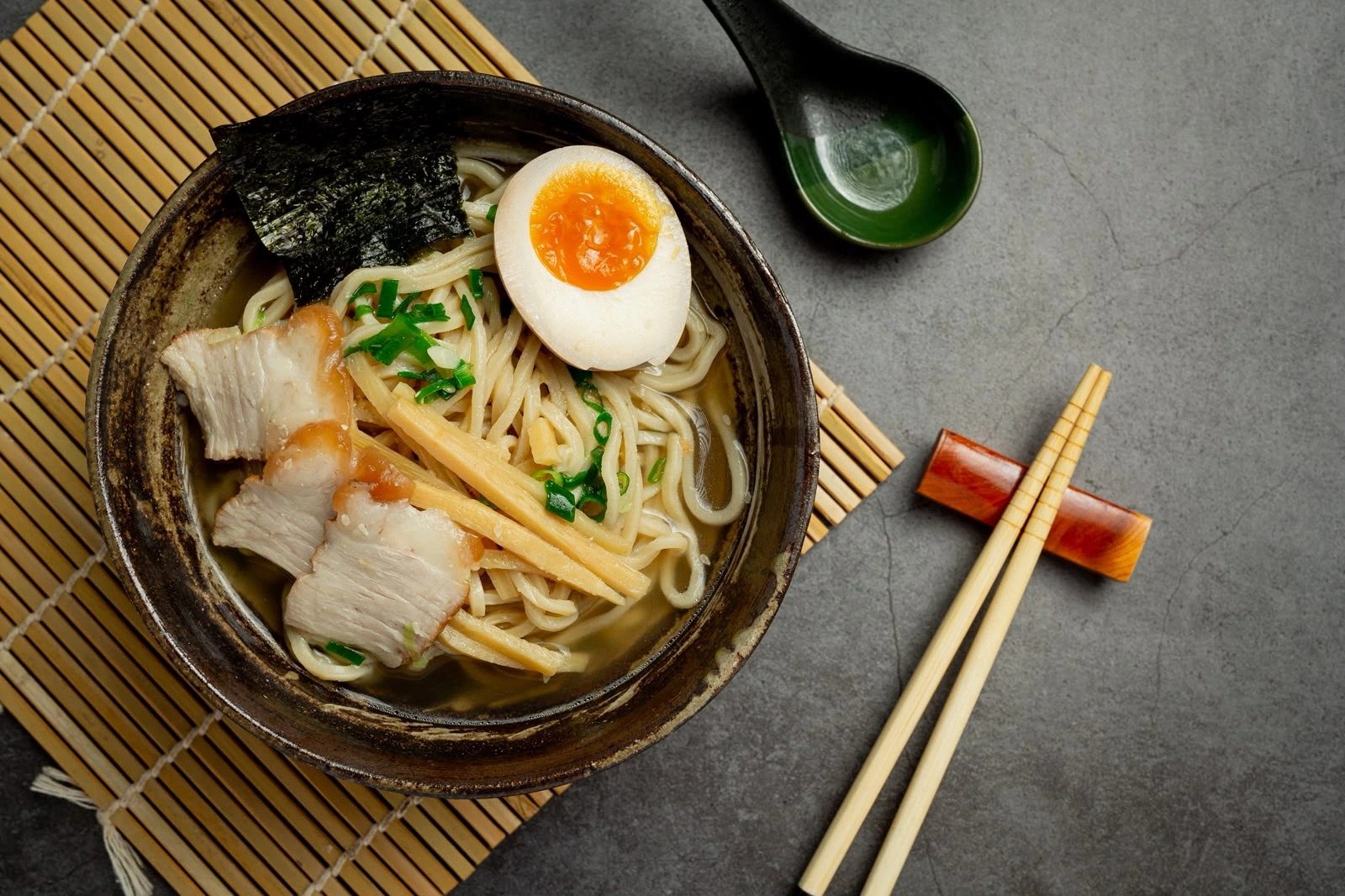
Although both are popular ramen styles, they have several noticeable differences.
1. The Main Ingredients
The most obvious difference lies in the ingredients.
Miso broth uses fermented soybean paste, while shoyu broth uses Japanese soy sauce.
Since the foundations are different, the resulting flavors are naturally different as well.
A simple comparison would be the difference between a creamy soup and a clear broth. Both can be delicious, but they create completely different dining experiences.
2. Flavor Profile
This is usually the biggest factor when deciding between the two.
Miso broth tends to have a richer and deeper flavor. The umami is more pronounced and lingers on the palate.
Meanwhile, shoyu broth offers a simpler and lighter taste. It’s still savory, but it doesn’t dominate every bite.
If you enjoy bold flavors, miso will likely be more appealing.
If you prefer something lighter and easier to enjoy, shoyu may be a better fit.
3. Broth Texture
The difference is also visible in the texture.
Because miso paste is mixed into the broth, miso ramen typically feels slightly thicker and more substantial.
Shoyu broth, on the other hand, is usually lighter and thinner.
It may seem like a small detail, but it significantly affects the overall ramen experience.
4. Aroma
Even before tasting the ramen, you can often identify the broth from its aroma.
Miso broth has a distinctive fermented scent. It’s not overpowering, but it’s easily recognizable.
Shoyu broth has a gentler aroma that highlights the soy sauce and stock.
Because the aroma is lighter, many people find shoyu ramen easier to enjoy in larger portions.
5. Pairing with Toppings
Interestingly, certain toppings tend to pair better with specific broth styles.
Miso ramen is often served with corn, butter, stir-fried meat, and sautéed vegetables.
Shoyu ramen is more commonly paired with simple toppings such as chashu pork, ramen eggs, nori, and green onions.
That said, there are no strict rules. Every ramen shop has its own style and interpretation.
Which One Tastes Better?
If you’re hoping for a definitive answer, the truth is that there isn’t one.
Some people immediately fall in love with miso because of its rich and robust flavor. Others prefer shoyu because it feels lighter and easier to enjoy.
Many ramen enthusiasts don’t even choose a favorite. They order miso when they want something hearty and comforting, then switch to shoyu when they’re in the mood for something lighter.
If you’ve never tried both, the best approach is simple: order each one on different occasions and discover which suits your taste.
Tips for Choosing a Ramen Broth
If you’re still unsure which one to order, these tips may help.
Choose Miso If You Enjoy Bold Flavors
If you love rich, savory dishes with plenty of depth, miso broth will probably satisfy your cravings.
Choose Shoyu If You Prefer a Lighter Broth
If you don’t enjoy heavy soups or you’re trying ramen for the first time, shoyu is often the easier choice.
Match It to Your Mood
It may sound simple, but many people choose their ramen based on how they feel. On a cold day or when they want something filling, miso often wins. When they’re looking for something lighter, shoyu tendsto be the better option.
Read more: Must-Try Ramen Toppings to Make Your Bowl Even More Delicious and Trendy!
Create Creamier Broth-Based Dishes with FiberCreme
Now you know the difference between miso and shoyu broth. While both are classic foundations of Japanese ramen, they offer completely different experiences. Miso delivers a richer and more robust flavor, while shoyu provides a lighter and cleaner taste.
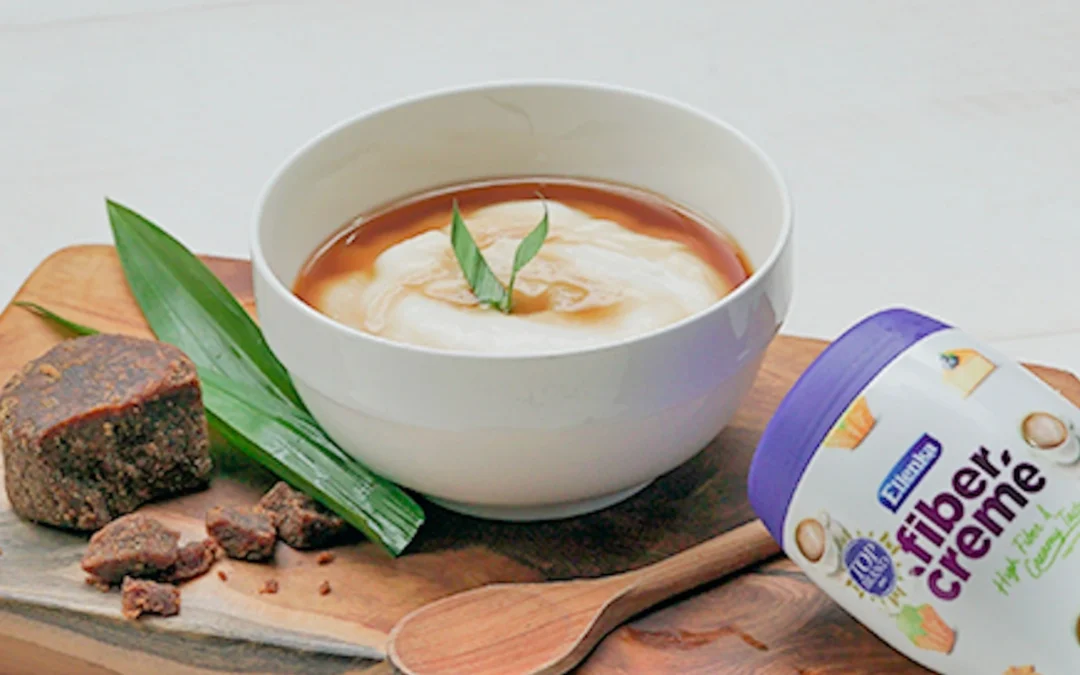
If you enjoy experimenting with soups and broth-based dishes at home, FiberCreme can be an interesting ingredient to try. It works well in a variety of soups, sauces, and savory recipes, helping create a smoother and creamier texture.
FiberCreme is a versatile high-fiber creamer that can be used as an alternative to coconut milk or dairy milk. Besides providing a delicious creamy texture, it is low in sugar, lactose-free, gluten-free, andcontains 0 mg cholesterol.
For more recipe inspiration, follow FiberCreme on Instagram at @FiberCreme_TV and visit the Ellenka Official YouTube channel.


0 Comments