
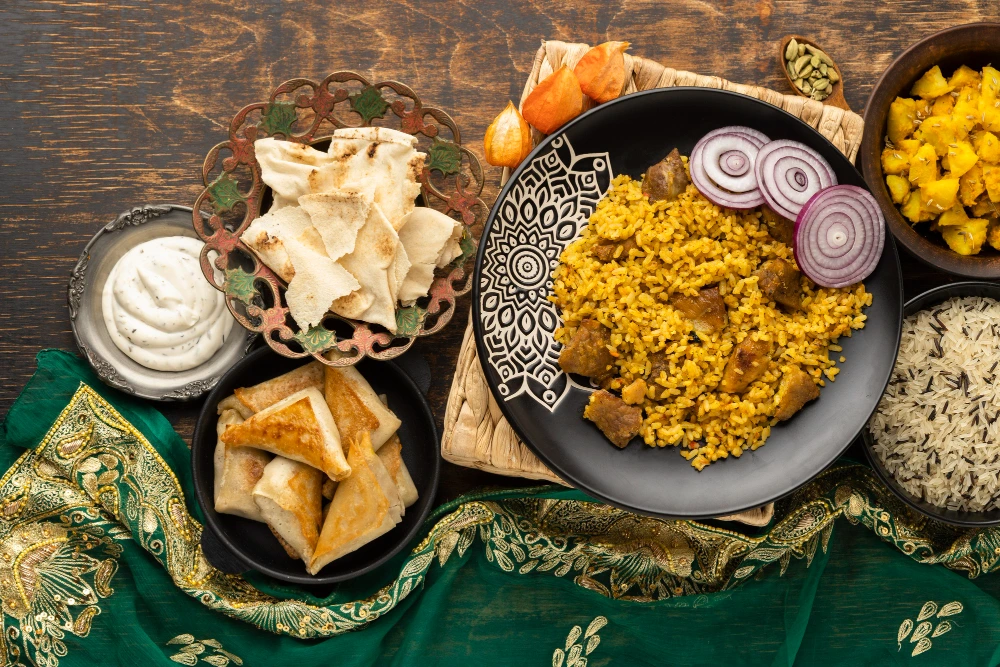
 Lovers of Middle Eastern and South Asian cuisine, or anyone who’s tried these dishes, may already be familiar with nasi mandhi and biryani. Both are rice-based dishes that offer rich, spiced flavors, often leading them to be considered quite similar. However, they have significant differences in terms of taste, cooking method, and presentation. If you’ve ever been unsure about which to choose at a restaurant or want to try making them at home, let’s dive into the difference between nasi mandhi and biryani so you can better appreciate their unique qualities!
The Difference Between Nasi Mandhi and Biryani
Although they look the same, both mandhi rice and biryani have some fundamental differences. Here are some of the differences between mandhi rice and biryani:
1. The Cooking Methods
Nasi mandhi originates from Yemen and is popular in Middle Eastern countries. This dish is cooked using the traditional tanur or oven method, where the rice and meat are cooked together. The meat is hung above the rice, allowing the fat and aroma of the meat to infuse the rice. The rice usually has a bright yellow color with a light savory taste and a characteristic smoky aroma.
The spices used for nasi mandhi are relatively mild, such as cardamom, cumin, and star anise. This combination gives nasi mandhi a smoother flavor compared to biryani.
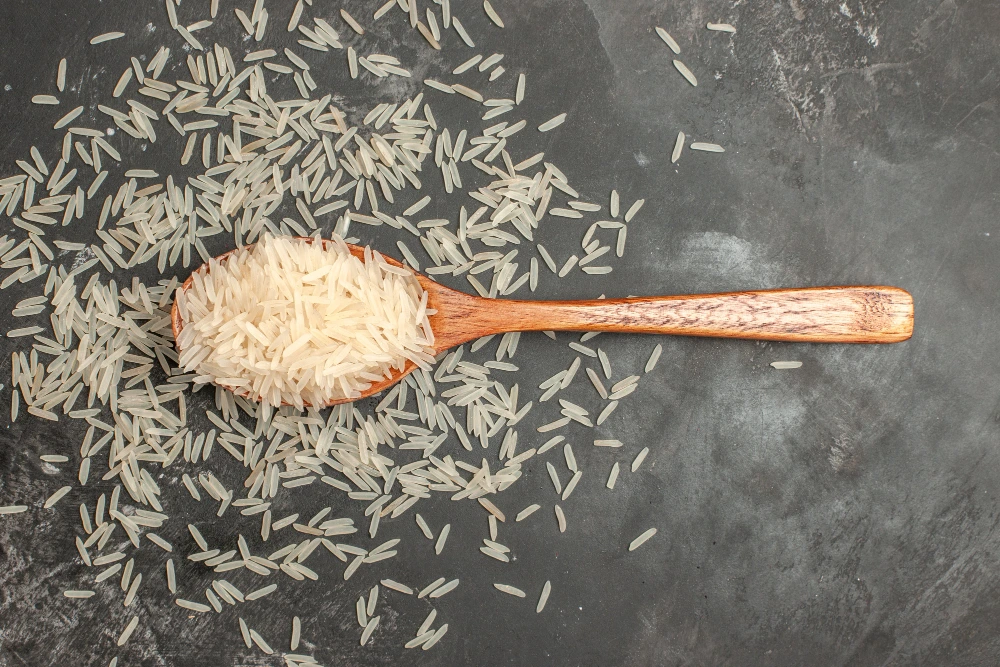 On the other hand, biryani comes from India and is known for its more complex flavor profile. Its cooking method involves layering, where the rice and meat are seasoned separately, then layered together and cooked.
Biryani is rich in spices like turmeric, saffron, cinnamon, and cloves, making its taste sharper and bolder. The rice can have a variety of colors, ranging from white to yellow to orange.
2. Choice of Meat and Side Dish
Nasi mandhi typically uses goat or chicken, cooked until tender. This dish is often accompanied by raisins or dates for a sweet touch.
Biryani can be served with various meats, including goat, chicken, beef, or even seafood. Common garnishes include boiled eggs, cashews, or fresh cilantro.
3. When and Where to Enjoy?
Nasi mandhi is generally served at formal events or large family gatherings in the Middle East. Biryani, however, is more versatile and can be served casually in countries like India, Pakistan, and Bangladesh.
Read More : Potato Dishes for Diet: Delicious Ways to Live Healthy
Which One is Better?
When it comes to flavor, it really depends on personal preference. If you enjoy rice with a subtle flavor and smoky aroma, nasi mandhi might be the best choice. But if you prefer rice with bold, spiced flavors and a strong spice kick, biryani is the better fit.
Cook Healthier and More Delicious Nasi Mandhi or Biryani with FiberCreme
 Now that you know the difference between nasi mandhi and biryani, are you tempted to buy or make one yourself? If you want to try making it at home, Minchef has some tips to make your nasi mandhi or biryani not just tasty but healthier.
To enhance the flavor, try adding FiberCreme to your nasi mandhi or biryani! You can also add it to the marinade for the meat you’re using as an accompaniment to your dish.
Why FiberCreme? This versatile powder can replace coconut milk or cooking cream for a creamy texture and added fiber. With 0mg of cholesterol, FiberCreme also makes your dish more heart-friendly for people with high cholesterol or other health concerns.
Ready to cook nasi mandhi or biryani with FiberCreme? Once it’s ready, don’t forget to share your creation with Minchef by uploading your dish to Instagram and tagging @FiberCreme or @FiberCreme_TV!




0 Comments